
"Ultimate repair shop" for Royal Navy created as Portsmouth engineers aim to keep ships out at sea

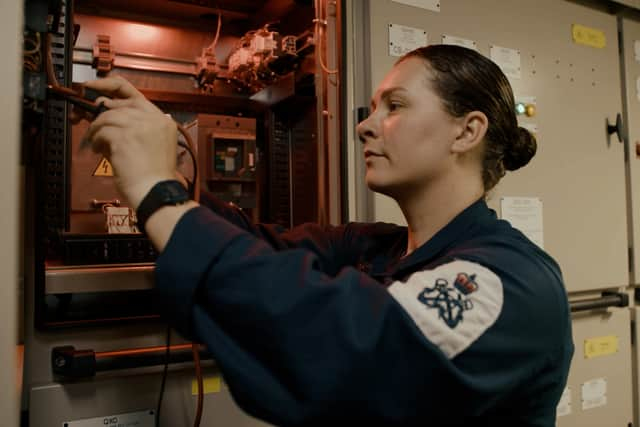
Skilled Royal Navy engineers are creating the “ultimate repair shop” to increase the availability and effectiveness of its ships.
The scheme could potentially save millions of pounds and Portsmouth personnel are at the heart of the project. Warrant Officer Lee Reeves, from the Navy Climate Resilience and Environmental Management team, said: “We’re giving equipment a second life instead of letting it gather dust.
“This is skilled engineering work that makes a real difference – every item we repair and return to service is a win for the fleet, for taxpayers, and for the environment.”

The scheme is part of the force’s efforts to save money, increase efficiencies, and improve the fleet’s readiness. Several ships have spent elongated amounts of time on the side-lines, with HMS Daring being alongside for over 3000 days due to various complications.
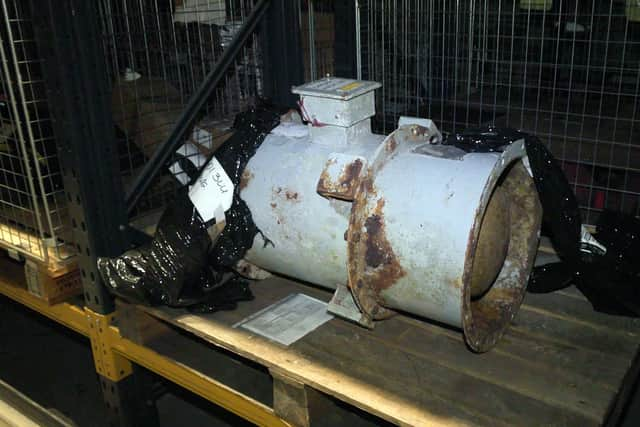
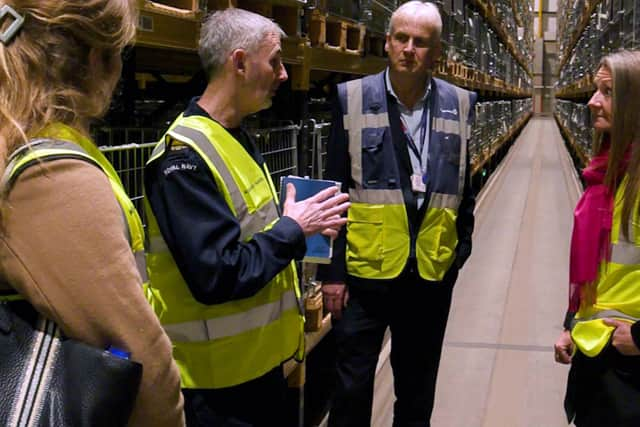
HMNB Portsmouth is home to the largest of three gigantic equipment stores across the services. Broken items are held there awaiting repair and reinstallation on ships. Due to a lack of funds, accurate details, dates, and repair contracts, a stockpile of broken materials has formed over the years.
The Portsmouth warehouse alone houses roughly 84,000 items deemed repairable, worth a collective value of roughly £200m. Its at 97 per cent capacity, and is expected to be full in around 12 months. The Royal Navy does have smaller equipment stores in Plymouth and Faslane, containing 15,000 and 6,000 items respectively, but they are also filling up.
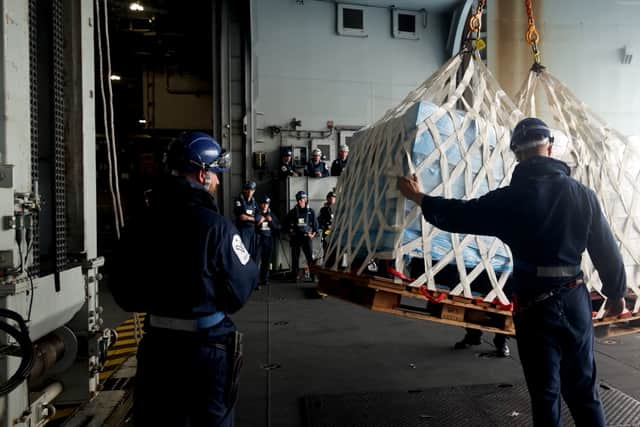
Engineers will now be going through the stores, fixing what can be repaired and recycling irreparable or obsolete materials. WO Reeves added: “With a further 21,000 repairable items in Plymouth and Faslane, there’s significant scope to scale; indeed there’s no reason why a similar approach cannot be taken-up throughout Defence.”
The pilot for the initiative involved repairing “reducing stations”, machines that significantly reduce air pressure. Seven such devices are found on every Type 23 frigate. A new model will set the taxpayer back £9,696, and takes 13 months to order. Asking the original manufacturer to fix a broken set would cost £4,361. Royal Navy engineers fixed it in house for £138 - plus £500 in certification - in a matter of hours. This equates to a saving of £26,000 per ship.
The project is receiving investment from the Productivity Portfolio team in the Ministry of Defence. The Strategic Defence Review, published last June, called for finding £6bn in savings this parliament.
Deana Rouse, the MoD’s Senior Responsible Owner for Defence Productivity, said: “This is exactly what productivity looks like in practice – local teams tackling longstanding problems with smart, innovative solutions. We’ve seen how the Productivity Portfolio enables Navy engineers on the ground to solve a decade-old problem, delivering real savings and getting equipment back on our ships, into the wider public sector or recycled into Defence Industry.
“It is great to see the Productivity Portfolio in action, making a clear difference to Defence. We will keep looking for ways to scale local initiatives out and bring in new ideas or best practice.”