
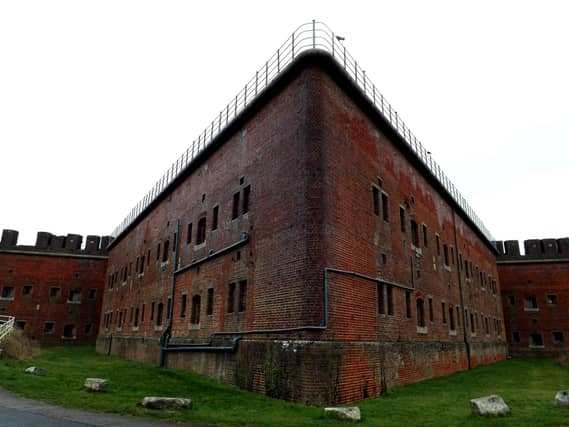


A total of 25 sites have been placed on the “at risk” register, from sites linked to the Royal Navy, old fortifications and places of worship. The public body said the programme highlights the places which are at most in need of action being taken.
“Assessing sites for Heritage at Risk (HAR) helps us understand the overall state of England's historic sites,” Historic England said. “The process identifies sites that are most at risk of being lost as a result of neglect, decay or inappropriate development.
“Every year Historic England updates the Heritage at Risk Register. The end result is a dynamic picture of the sites most at risk and most in need of safeguarding for the future. The important process of checking the condition of our heritage goes back more than three decades to the birth of the London Buildings at Risk survey, which was published from 1991 to 1997.
“The first National Buildings at Risk survey covering the whole of England was published in 1998 and, since then, the programme has been widened to include other types of historic places and sites (heritage assets).”
The programme includes Grade I, II*, II listed places of worship, and Grade II listed buildings in London. Many of them are being redeveloped and transformed, while others are parts of area which are due to have increased investment, such as HMNB Portsmouth.
Pressure has been growing to either restore historical sites to their former glory so they can be preserved, or transformed entirely and be given a new lease of life as something else.
The full “at risk” register can be found on Historic England’s website. Chief executive Duncan Wilson said: “Protecting our heritage is so important. The Heritage at Risk programme shines a light on our historic sites most in need and can help to attract funding and help. After a quarter of a century of the Heritage at Risk Register, we are celebrating how many places have been saved and continue to find new ways to involve local people in caring for and enjoying their heritage.”
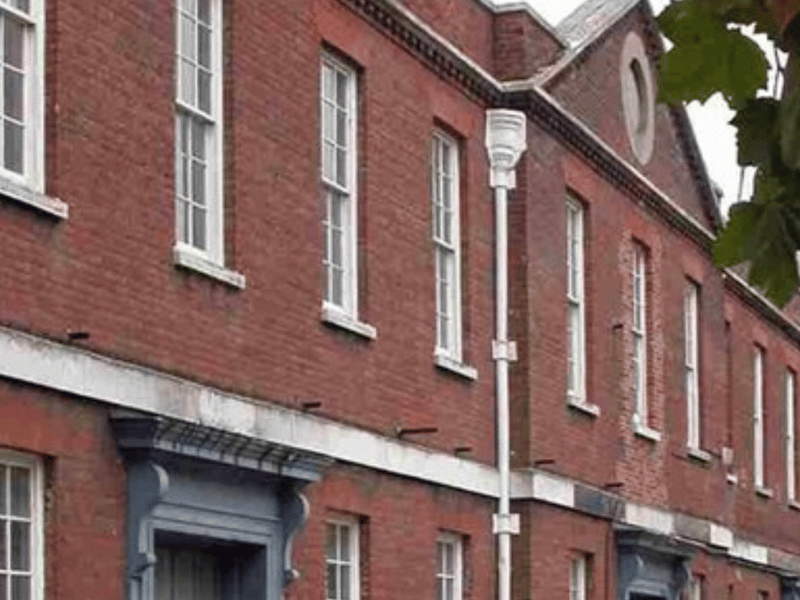
17. No. 25 Store - Yard Services Manager's Office - HMNB Portsmouth - Grade II* listed
The No. 25 store and Yard Services Manager’s Office are part of a two-storey storehouse built in 1782. It has an internal courtyard which is in poor condition, and vacant. There is some evidence of water ingress and pigeon infestation. Some remedial works have been completed, with further roof works planned. The Ministry of Defence (MoD) is in discussion, with a future use being considered once the repairs have been completed. It has been given a priority F grade. | Contributed
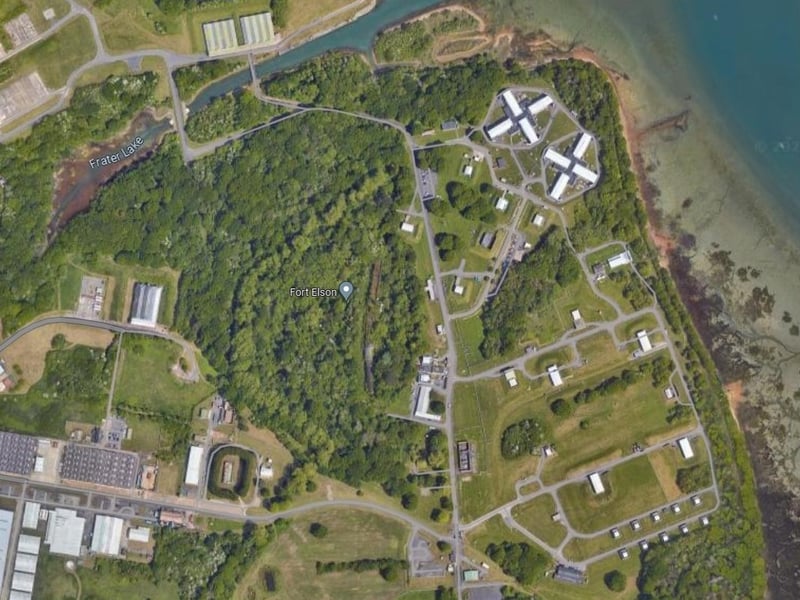
18. Fort Elson - Gosport - Scheduled Monument
Fort Elson, built between 1853-1860, is currently being severely damaged by vegetation, which has taken hold of the site. Programmes of vegetation removal are intermittent. A management plan to fix the site has been drafted, but not implemented. The building cannot be occupied because it lies within a munitions storage area, blocked from the general public. It has a priority A grade, which means it is of an "immediate risk of further rapid deterioration or loss of fabric". | Google Street View
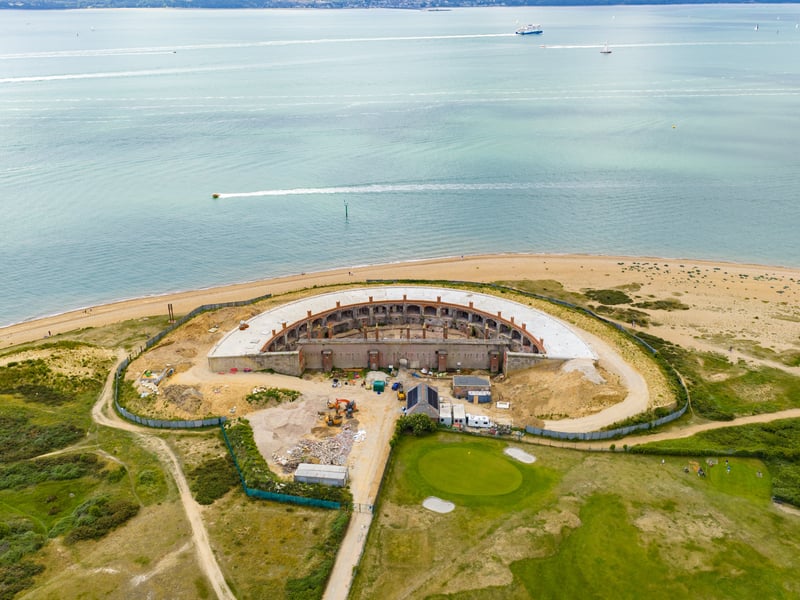
19. Fort Gilkicker - Gosport - Scheduled Monument
The artillery fort was built between 1865 and 1871. It has been subject to heritage crime in parts, and casemates and magazines are threatened by water penetration. Repair and conversion to residential units has planning approval and the scheme is in early stages. Security fencing and a construction presence on site will aim to control levels of heritage crime. It is currently being converted into 22 homes and other changes, with a priority F grade. | Marcin Jedrysiak
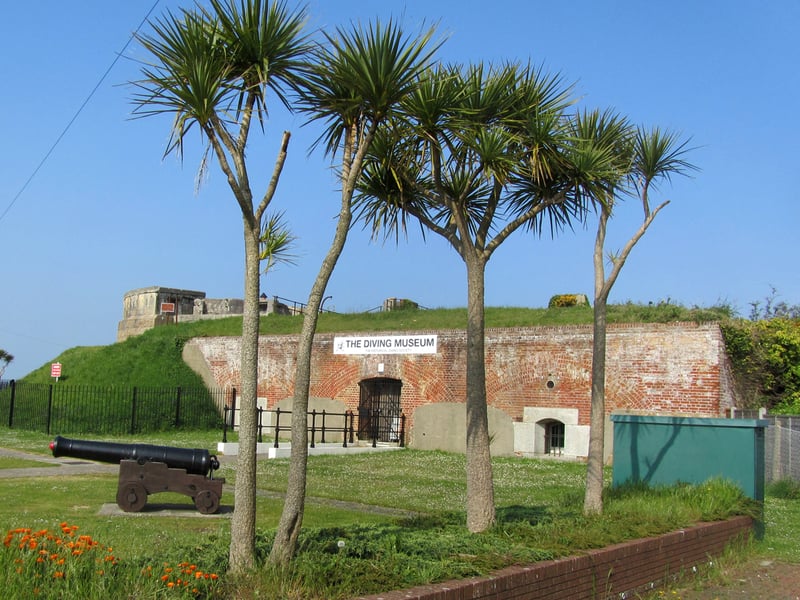
20. No 2 Battery - Stokes Bay - Gosport - Grade II* listed
Batteries No.1 and 2 were built in the Stokes Bay area of Gosport, primarily to defend against a sea-borne attack, and are located at the north-west end of the Stokes Bay Lines. They were part of a system of ramparts, moats and batteries built in the 1860s. Historic England says it has extensive problems of damp penetration and condensation affecting the building fabric. The building is partly in use as The Diving Museum, which is currently closed. It has been given a priority F grade and has been described as being in "poor condition". | Contributed