
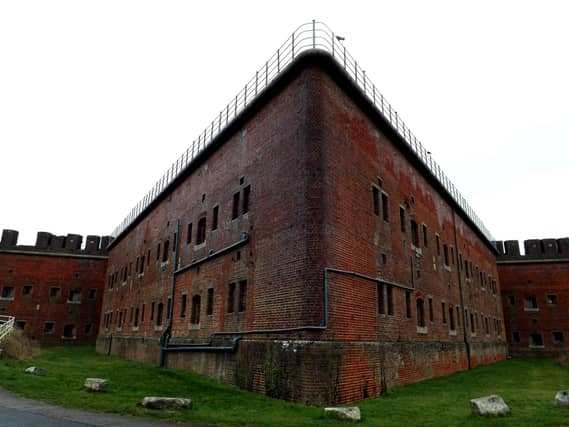


A total of 25 sites have been placed on the “at risk” register, from sites linked to the Royal Navy, old fortifications and places of worship. The public body said the programme highlights the places which are at most in need of action being taken.
“Assessing sites for Heritage at Risk (HAR) helps us understand the overall state of England's historic sites,” Historic England said. “The process identifies sites that are most at risk of being lost as a result of neglect, decay or inappropriate development.
“Every year Historic England updates the Heritage at Risk Register. The end result is a dynamic picture of the sites most at risk and most in need of safeguarding for the future. The important process of checking the condition of our heritage goes back more than three decades to the birth of the London Buildings at Risk survey, which was published from 1991 to 1997.
“The first National Buildings at Risk survey covering the whole of England was published in 1998 and, since then, the programme has been widened to include other types of historic places and sites (heritage assets).”
The programme includes Grade I, II*, II listed places of worship, and Grade II listed buildings in London. Many of them are being redeveloped and transformed, while others are parts of area which are due to have increased investment, such as HMNB Portsmouth.
Pressure has been growing to either restore historical sites to their former glory so they can be preserved, or transformed entirely and be given a new lease of life as something else.
The full “at risk” register can be found on Historic England’s website. Chief executive Duncan Wilson said: “Protecting our heritage is so important. The Heritage at Risk programme shines a light on our historic sites most in need and can help to attract funding and help. After a quarter of a century of the Heritage at Risk Register, we are celebrating how many places have been saved and continue to find new ways to involve local people in caring for and enjoying their heritage.”
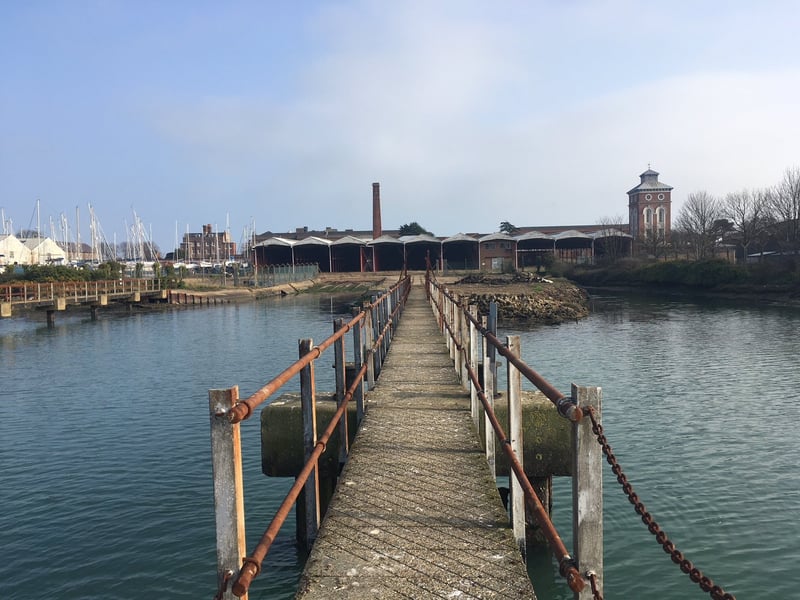
21. Haslar Gunboat Yard - Gosport - Grade I listed building
A row of ten gunboat sheds and three maintenance workshops, designed in 1856 by William Scamp of the Admiralty Works Department as part of the Haslar Gunboat Yard for the housing and repair of British gunboats, and their successor craft, of the Royal Navy. The adjacent traverser system was used for their launch and movement. The site ceased to be used in the mid-1970s but remained in MOD ownership. Once vacant, its condition deteriorated, with only minimum maintenance undertaken. Historic England grant aided a feasibility study in 2019 to help find an appropriate new use for the site. It has been given a priority C grade and is in "very bad" condition. | Historic England
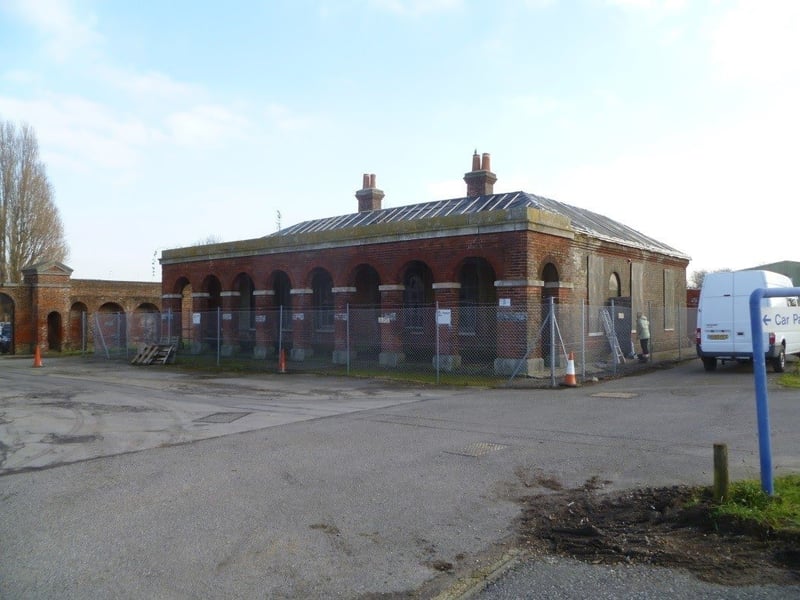
22. Former Guard House - Haslar Gunboat Yard - Gosport - Grade II* listed
The Former Guard House to Gunboat Yard was constructed in the mid-19th century, mainly built of red brick with limestone dressings beneath a hipped slate roof. Vacant and at risk due to poor condition of roofs, rainwater disposal, leaning chimney stack, windows, doors, floors and internal finishes. Historic England grant aided a Conservation Management Plan and Feasibility Study. New uses are being explored. It has been given a priority C grade and is suffering from "slow decay". | Historic England
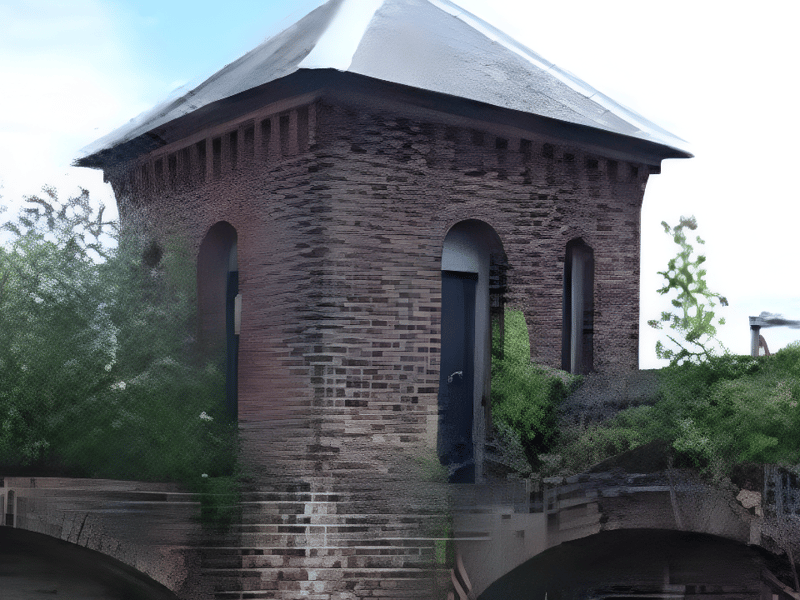
23. Gunboat Yard Boundary Walls, Watchtowers and Gates - Haslar Gunboat Yard - Grade II* listed
The mid 19th century boundary walls incorporate corner watchtowers, walkways, and gates. It has been laid with red brick in Flemish bond, with stone dressings and pyramidal slate roofs. Historic England said it is at risk due to animal burrowing, defective roofs, eroding brickwork and pointing, and vegetation growth. Contact with a local construction college has been established who are supervising brickwork repairs at the site to develop heritage skills. It has been given a priority C grade, and is suffering from "slow decay". | Historic England
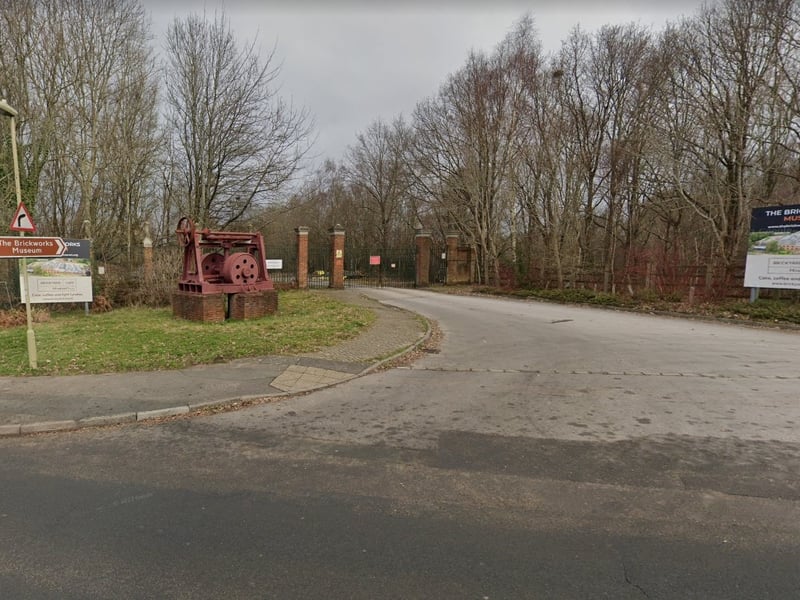
24. Bursledon Brickworks - Swanwick - Grade II* listed
The steam driven brickworks complex was in use from the 19th century until the 1970. It appears to have the earliest surviving Staffordshire type continuous kiln. It's now a Brickworks Museum. Funding from a Historic England Repair Grant saw roof repairs completed to the significant brick kiln in 2023. The brickworks complex remains at risk due to the vulnerability of the unsupported walls, and roofless drying sheds. National Lottery Heritage Fund have grant-aided a Development Phase for repairing and converting the drying sheds. An enabling development scheme will see further repair works. Funds needed for building fit out for flexible use. It has been given a priority C grade and is suffering from "slow decay". | Google Street View