
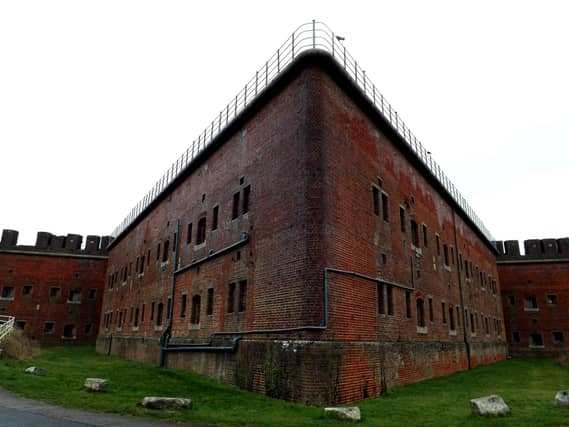


A total of 25 sites have been placed on the “at risk” register, from sites linked to the Royal Navy, old fortifications and places of worship. The public body said the programme highlights the places which are at most in need of action being taken.
“Assessing sites for Heritage at Risk (HAR) helps us understand the overall state of England's historic sites,” Historic England said. “The process identifies sites that are most at risk of being lost as a result of neglect, decay or inappropriate development.
“Every year Historic England updates the Heritage at Risk Register. The end result is a dynamic picture of the sites most at risk and most in need of safeguarding for the future. The important process of checking the condition of our heritage goes back more than three decades to the birth of the London Buildings at Risk survey, which was published from 1991 to 1997.
“The first National Buildings at Risk survey covering the whole of England was published in 1998 and, since then, the programme has been widened to include other types of historic places and sites (heritage assets).”
The programme includes Grade I, II*, II listed places of worship, and Grade II listed buildings in London. Many of them are being redeveloped and transformed, while others are parts of area which are due to have increased investment, such as HMNB Portsmouth.
Pressure has been growing to either restore historical sites to their former glory so they can be preserved, or transformed entirely and be given a new lease of life as something else.
The full “at risk” register can be found on Historic England’s website. Chief executive Duncan Wilson said: “Protecting our heritage is so important. The Heritage at Risk programme shines a light on our historic sites most in need and can help to attract funding and help. After a quarter of a century of the Heritage at Risk Register, we are celebrating how many places have been saved and continue to find new ways to involve local people in caring for and enjoying their heritage.”
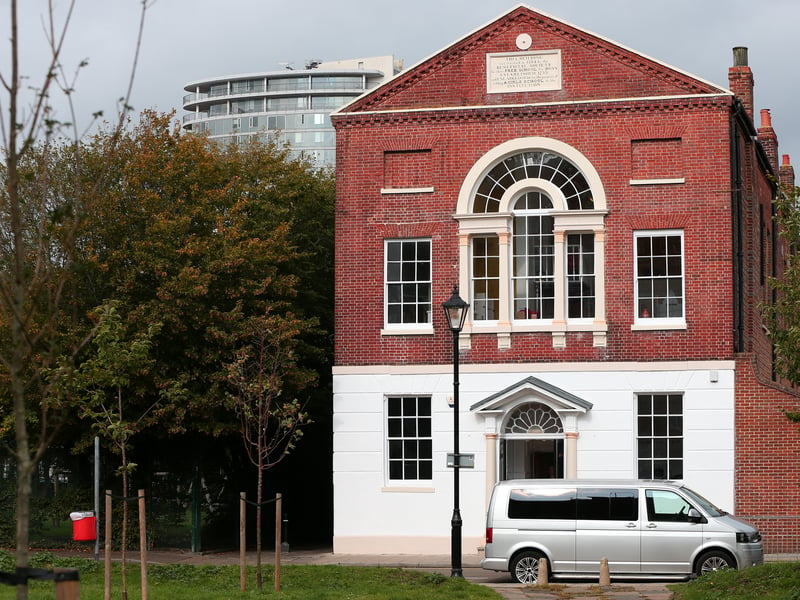
9. The Beneficial School, Kent Street, Portsea - Grade II* listed building
The Beneficial School of 1784 and 1836 is now in use as a venue by the Groundlings Theatre Trust. An updated condition survey has been completed which has identified problems including with the roof structure and windows. Some repairs to the front elevation have been successfully completed with the aid of a Covid-19 Emergency grant funding. Historic England, Theatres Trust, National Lottery Heritage Fund and Architectural Heritage Fund, are offering guidance to the owner to secure repairs, maintenance and management of the building. It has been given a priority C Grade, and is suffering from “slow decay”. | Chris Moorhouse (jpns 191021-15)
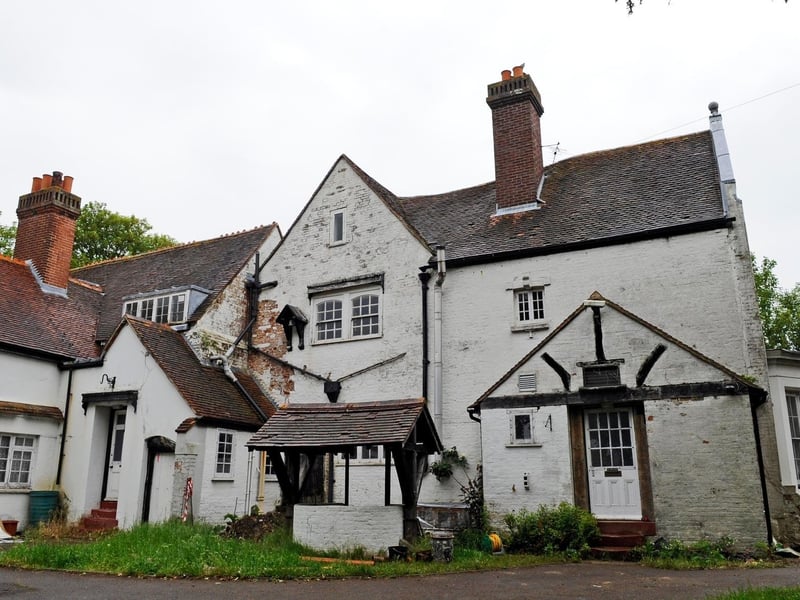
10. Wymering Manor - Old Wymering Lane, Cosham - Grade II* listed building
Manor house, with medieval fabric and later work, is said to be one of Hampshire's most haunted buildings. Acquired by a Trust in 2013, the house is in need of structural repairs and beetle treatment to address deterioration. The Trust is revisiting an options appraisal funded by the Architectural Heritage Fund, and is considering sustainable creative uses in support of income generation and local needs. Historic England continues to offer early stage project support. A detailed condition survey and structural report is urgently required to identify repair solutions and the costs involved. It has been given a priority C grade and is in "poor condition". | Malcolm Wells
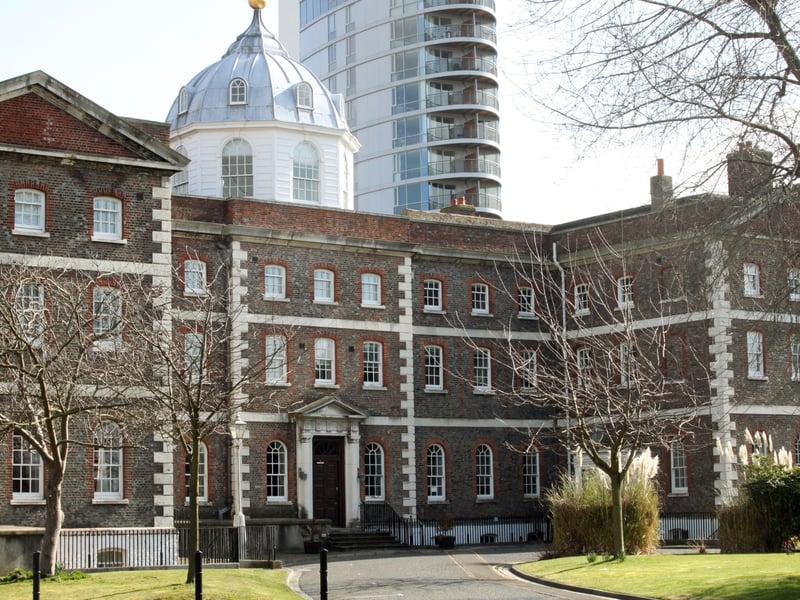
11. Former Royal Naval Academy - HMNB Portsmouth - Grade II* listed
One of the oldest structures at Portsmouth Naval Base, this building is a Georgian forerunner of the Britannia Royal Naval College at Dartmouth. It has long been vacant, with its natural ventilation and background heating being introduced and furnishings removed to reduce damp levels. Remedial works to roof coverings and parapet gutters have reduced water ingress and the dry rot appears to be dying back. The cupola has been repainted. Asbestos has been found in the roof and must be removed before full surveys can be undertaken. It has been given a priority C grade and is described as being in "poor condition". | Contributed
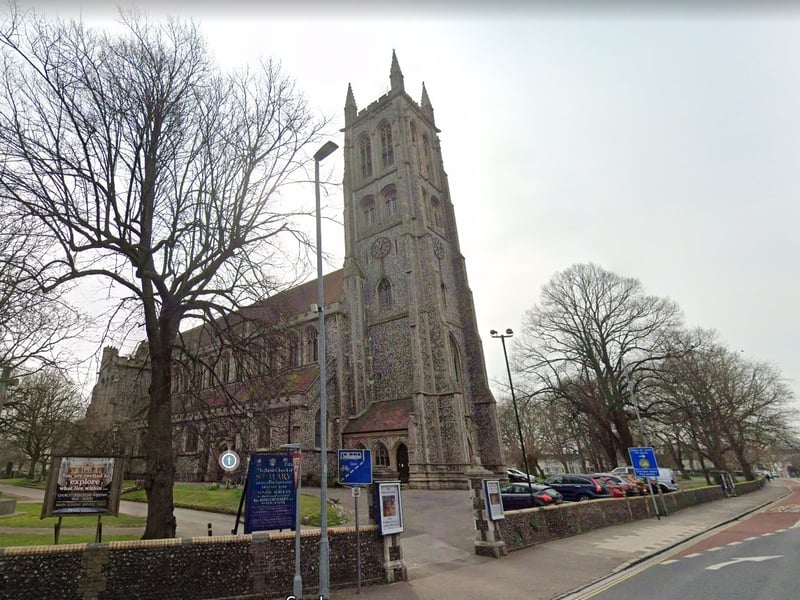
12. Church of St Mary - Fratton Road - Grade II* Listed
The church was designed by Sir Arthur Blomfield and built of flint and Bath stone with plain tile roofs between 1887-9. The church has received significant grant aid from Historic England and the National Lottery Heritage Fund in three phases. Improvement work has been made to some of the roofs and the tower. Recent repairs to the building fabric have been carried out in connection with the Organ Project but further repairs need to be made to the roofs, south clerestory and chancel windows. It has a priority C grade and is in "poor condition". | Google Street View