
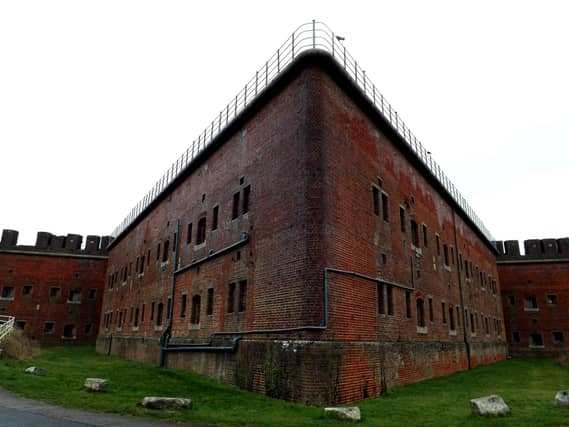


A total of 25 sites have been placed on the “at risk” register, from sites linked to the Royal Navy, old fortifications and places of worship. The public body said the programme highlights the places which are at most in need of action being taken.
“Assessing sites for Heritage at Risk (HAR) helps us understand the overall state of England's historic sites,” Historic England said. “The process identifies sites that are most at risk of being lost as a result of neglect, decay or inappropriate development.
“Every year Historic England updates the Heritage at Risk Register. The end result is a dynamic picture of the sites most at risk and most in need of safeguarding for the future. The important process of checking the condition of our heritage goes back more than three decades to the birth of the London Buildings at Risk survey, which was published from 1991 to 1997.
“The first National Buildings at Risk survey covering the whole of England was published in 1998 and, since then, the programme has been widened to include other types of historic places and sites (heritage assets).”
The programme includes Grade I, II*, II listed places of worship, and Grade II listed buildings in London. Many of them are being redeveloped and transformed, while others are parts of area which are due to have increased investment, such as HMNB Portsmouth.
Pressure has been growing to either restore historical sites to their former glory so they can be preserved, or transformed entirely and be given a new lease of life as something else.
The full “at risk” register can be found on Historic England’s website. Chief executive Duncan Wilson said: “Protecting our heritage is so important. The Heritage at Risk programme shines a light on our historic sites most in need and can help to attract funding and help. After a quarter of a century of the Heritage at Risk Register, we are celebrating how many places have been saved and continue to find new ways to involve local people in caring for and enjoying their heritage.”
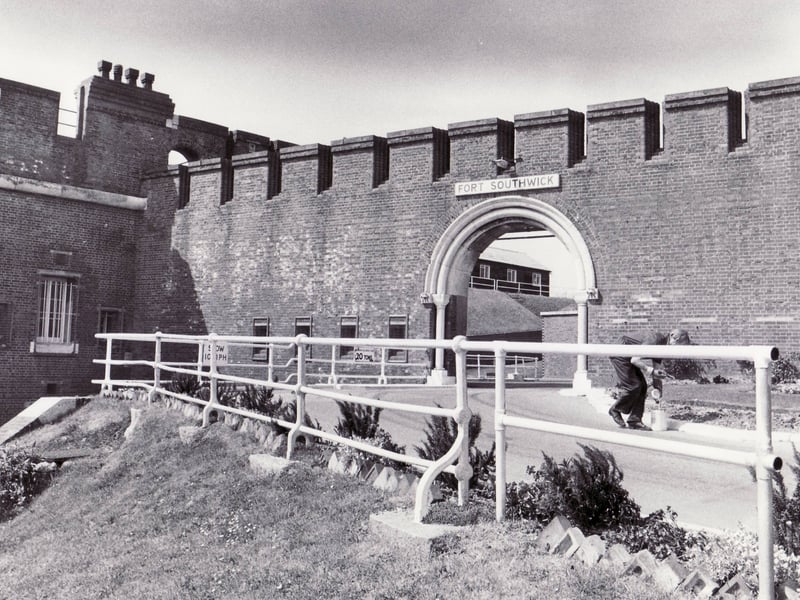
5. Fort Southwick - Portsdown Hill - Scheduled Monument
An 1860s fort, part of the Palmerston Portsmouth defences. Parts of the monument are in poor condition. Following disposal by Defence Estates, the site is now operated by an estate management company as a business park with a number of different companies operating from the site. The new owners have carried out some repairs but more are needed, together with a carefully planned maintenance regime. It has been given a priority C Grade, and is suffering from “slow decay”. | The News Archive
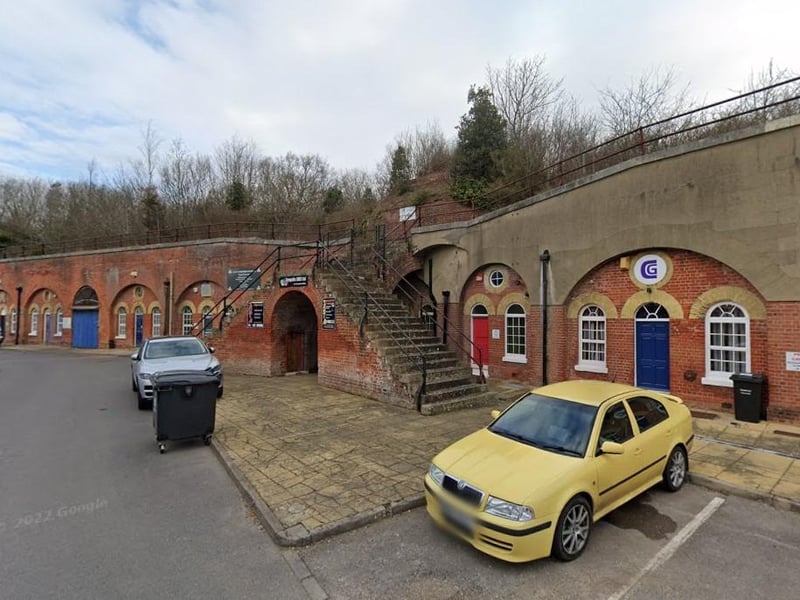
6. Fort Fareham - Newgate Lane - scheduled monument
The Royal Commission fort was built in 1861. It was intended to be part of a further line of defence to the already completed 'Gosport Advanced Line' of Forts Elson, Brockhurst, Rowner, Grange and Gomer, built to defend Portsmouth Harbour. Historic England said it is suffering from decay and heritage crime in parts, with the interior functioning as a business and industrial estate. It has been given a priority A Grade and is in poor condition, with an “Immediate risk of further rapid deterioration or loss of fabric; no solution agreed”. | Google Street View Photo: Google Street View
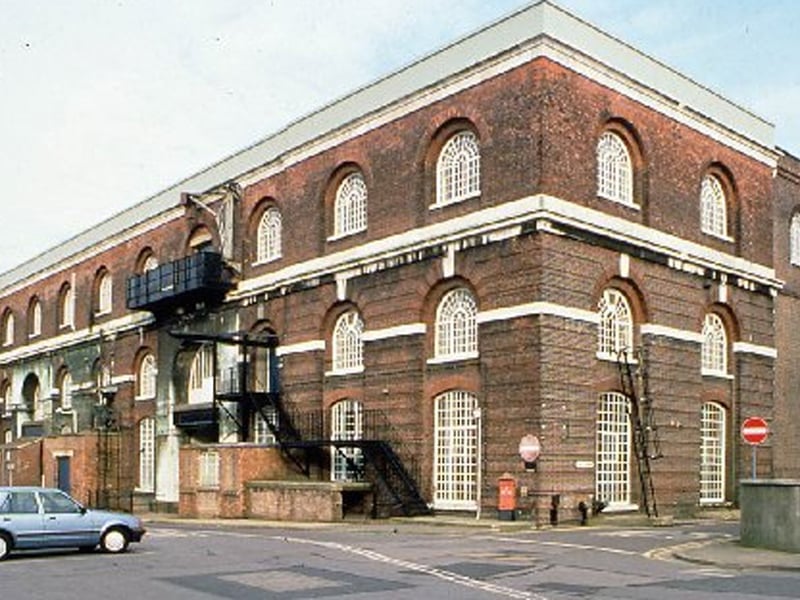
7. Iron and Brass Foundry - HMNB Portsmouth - Grade II* listed building
The Iron foundry and smithery, built 1857-1861 by Col GT Greene RE and Andrew Murray, Chief Engineer, was extended in 1878 with later alterations. The main part of the building was converted to office use in 2003. The east wing (Building 1/136) remains unused and at risk. There were concerns over drainage and regular flooding of the building but this has been resolved. Roof repairs are due to be undertaken. It has been given a priority C Grade, and is suffering from “slow decay”. | Contributed
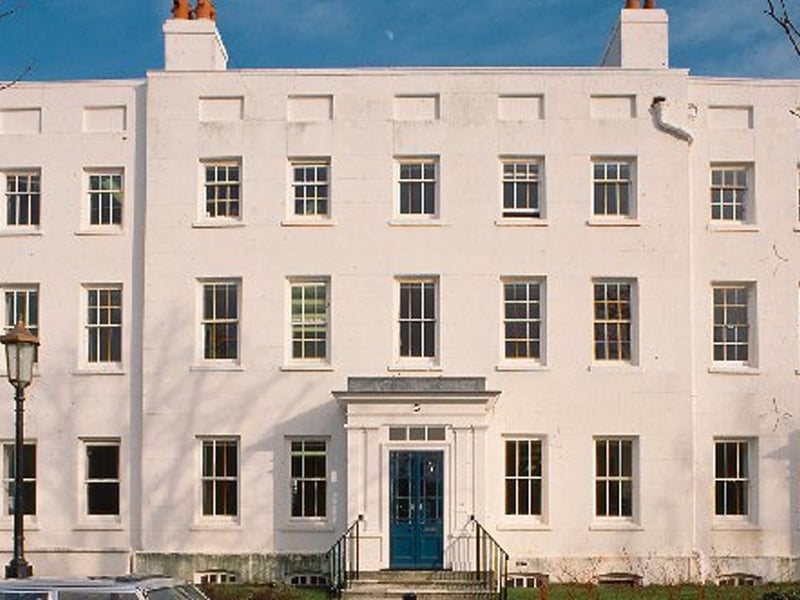
8. The Parade - HMNB Portsmouth - Grade II* listed
The Parade is a Terrace of dockyard officers' lodgings - 1715-19. It was partially converted to office use in 1995, but is now empty. Prone to wet rot and some structural movement, the site has persisting structural and drainage problems between the main building and the rear extensions. There is extensive decay in the panelling and some plaster ceilings have collapsed. An extensive programme of repair is underway and the roof has been reslated and the gutters repaired. Render and window joinery repairs are also underway as well as the repair of the timber porches. Further works to the rear extensions are planned. It has been given a priority grade of F - as repair work is underway - and is in fair condition. | Contributed