
'Further impacts' expected from Defence Investment Plan as £4.7bn spending gap revealed

Government departments are being asked to find “efficiencies” to generate the spare cash
Andy Burnham faces a £4.7bn headache in his first budget after the Treasury put off setting out full details of how it would fund a rise in defence spending.
Sir Keir Starmer announced £15bn of spending over the next four years to support the Defence Investment Plan (Dip), mostly funded by reallocating money that had been earmarked for other departments.
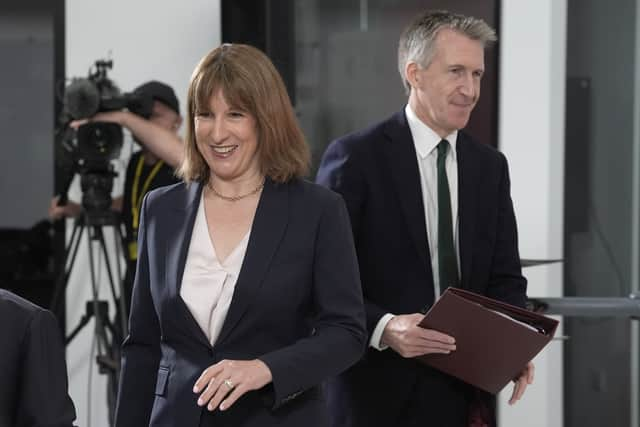

But in a written statement to Parliament, Chancellor Rachel Reeves said only two-thirds of that sum – £10.3bn – had been identified, while the remaining £4.7bn would be “confirmed at Budget 2026, in a fair and balanced way”.
Ms Reeves added that the Treasury would focus on finding “efficiencies” and cancelling or delaying “lower priority programmes”, while emphasising the Government would not cut day-to-day spending to pay for defence.
Announcing the Dip on Tuesday, Sir Keir said he expected his successor to build on the increase in defence spending, while Defence Secretary Dan Jarvis said defence would be the number one priority for the Government’s next spending review.
But the decision to leave almost a third of the extra funding to be set out at the next budget means finding the money will be a task for Mr Burnham, Sir Keir’s likely successor, and his new chancellor.
Max Werner, senior research economist at the Institute for Fiscal Studies, said the decision meant there would be “further impacts on other areas of spending, tax or borrowing on top of those set out in today’s announcements – implying one key early decision for the next prime minister”.
Of the funding that has already been identified, most comes from reducing other departments’ capital budgets by one per cent, providing some £4bn over the next four years.
The Department for Transport and the Department for Energy Security and Net Zero will be forced to find additional savings of £800m and £2bn respectively.
This money is expected to come from cancelling or delaying projects, in a move which has already caused some disquiet among MPs concerned about spending that had been promised to their constituencies.
Ms Reeves said another £2.4bn had been found by the Treasury taking responsibility for the costs of “ongoing international objectives” such as providing security guarantees for Ukraine in the event of a ceasefire.
Some £400m is expected to be raised by selling off Ministry of Defence land, and another £600m from “reprioritisation” of the department’s existing budget.
Mr Werner added that, with the Government committed to increasing defence spending to 3.5 per cent of GDP by 2035, it would “likely remain one of the biggest fiscal pressures facing the UK in the medium term” and require finding an extra £25bnn per year by that date.
He said: “Given the clear difficulties of finding less than a sixth of this per year as part of the Dip process, this will be one key challenge facing the next prime minister, along with deciding how a substantial share of today’s top-ups will be funded.”