
Why the Defence Investment Plan was delayed for months - General talks 'regrettable' setbacks and finances

General Sir Richard Barrons was a key figure in producing the Strategic Defence Review, which needed funding parameters from the treasury
Financial setbacks and a lack of accountability were just some of the reasons behind the delays in the Defence Investment Plan (Dip), a prestigious General has said.
General Sir Richard Barrons, one of the head figures who set up the Strategic Defence Review (SDR), lifted the lid on how the funding for major armed forces reforms were delayed by nearly a year. The Dip was due to be published last autumn, but was officially finalised and released last week.
It proved controversial due to £15bn being set aside for four years instead of a recommended figure closer to £30bn. Former defence secretary John Healey and defence minister Al Carns resigned before it was published. Former Royal Navy personnel and current defence experts were left unsatisfied by its content, mainly as several projects won’t be realised until the 2030s.
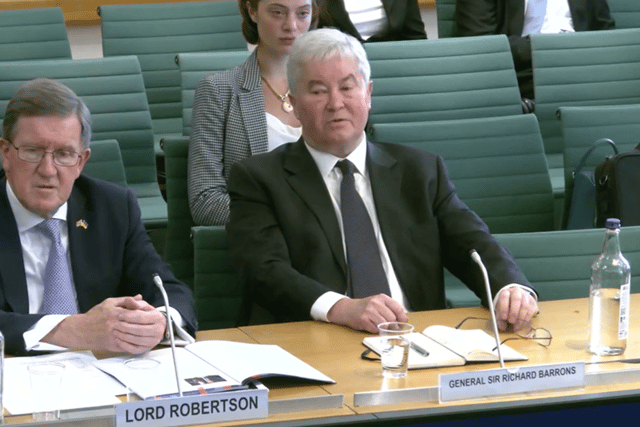

Much of the focus is on procuring drones, producing autonomous ships, conventional vessels that can be a motherships for un-crewed capabilities, and other projects. Speaking to the defence select committee today (July 7), General Barrons said SDR reviewers would never have agreed to avoiding the transformation of the armed forces just to “fill in some holes”. All 62 recommendations in the programme were accepted by the government.
General Barrons described how money was always the key cause for concern within the Dip. He added that the world, the UK’s opponents, and allies requests through Nato, all mean greater funding has to be set aside sooner. The SDR reviewer said prime minister Sir Keir Starmer believes Nato could be attacked by 2030, but the country is “going backwards” by “not spending any new money sooner”.
“You’ve gone from major Nato spender to 12th in the order, and ranked against your capability targets, you are ranked 31 of 32 ahead of Iceland that doesn’t have an armed forces,” the former Commander of Joint Forces Command said.

“The difficult debate is how to implement the SDR fast enough to deter our enemies and stay in step with our allies, and remain the leading influence we keep claiming to be. That brings you back to the money. If you want to do that, find more money sooner and make difficult choices.”
General Barrons said the “lost year” of Dip delays showed an enormous gap in finances when they revaluated the figures and added new elements to the report. “Let’s say that gap was £24bn over four years,” he added.
“Since we knew there was no money for the first two years, and only a dribble more in the rest of this parliament, that wasn’t a surprise. What it exposed was a really clear choice. If you want to implement this review, and you said you do, you have to find more money sooner. If you won’t, then what would you like to cut in the review you’ve just announced?
“They went round that circle three times a week, every week, between September and the announcement. That was not good enough.” The SDR reviewer said not appointing national armaments director Rupert Pearce for several months significantly contributed to the delays.
“He is the key figure in delivering this with industry,” General Barrons added. “People could hide behind not having a Dip or the national armaments director. The loss of momentum was deeply regrettable.”
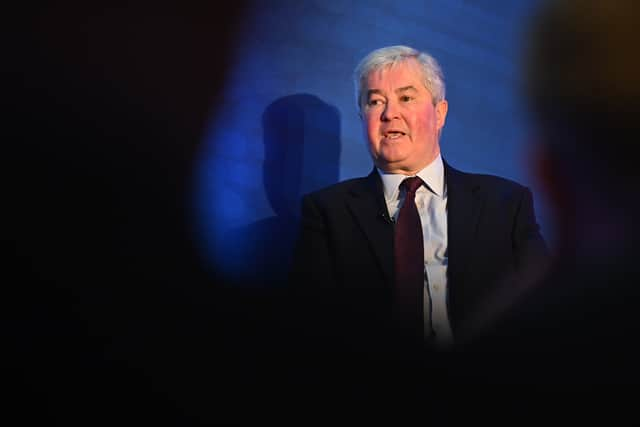
Andy Burnham, Sir Keir’s likely successor, is expected to enter No 10 on July 20. This would be after Parliament rises for the summer break. Opposition critics have called on him to delay recess by a day or two in order to address defence issues.
Sir Keir is currently at the Nato summit in Ankara, Turkey, where allies will face questions regarding defence spending. The government is being pushed to clarify if the Dip is adequately funded and how the UK intends to reach the Nato target of spending five per cent of GDP on defence by 2035.
Agreed by allies at last year’s Nato summit in The Hague under pressure from US president Mr Trump, the target includes spending 3.5 per cent of GDP on “core defence” by 2035 and another 1.5 per cent on “resilience” measures such as infrastructure. The Treasury has yet to set out funding for £4.7bn of the £15bn uplift announced last week.
Ministers have insisted it is not unusual to wait for a budget to set out funding decisions, while new defence secretary Dan Jarvis told the Commons on Monday the government would set out a “clear trajectory” to the 3.5 per cent target at the next spending review.