

There are plenty of things to see and do but in the city and its neighbouring town. Some of these you may be aware of but there are also many lesser known attractions that are sure to stimulate your interest.
While you are likely to know about attractions such as the Mary Rose Museum, places such as Southsea Castle, South Parade Pier and Portsmouth Naval Memorial are also locations steeped in history that are popular hotspots visited by thousands of people every year.
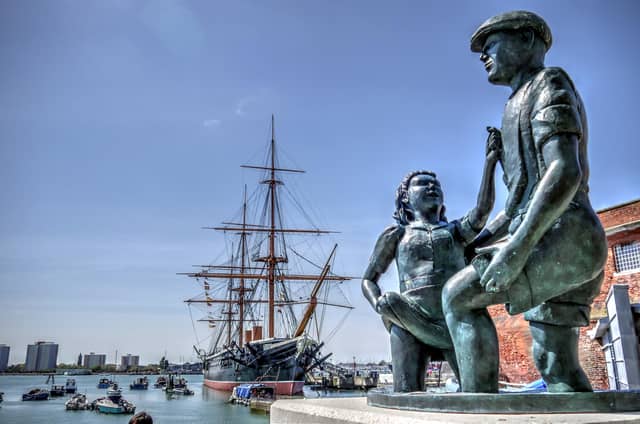
But there are also an array of historical gems you may not have heard of or visited. For example, have you heard of the mudlarks? Generations of Portsea children were known for entertaining travellers by retrieving coins they threw into the mud below the bridge to Portsmouth Harbour Station and Gosport Ferry. Statues and information about them can be found near the entrance to Portsmouth Historic Dockyard.
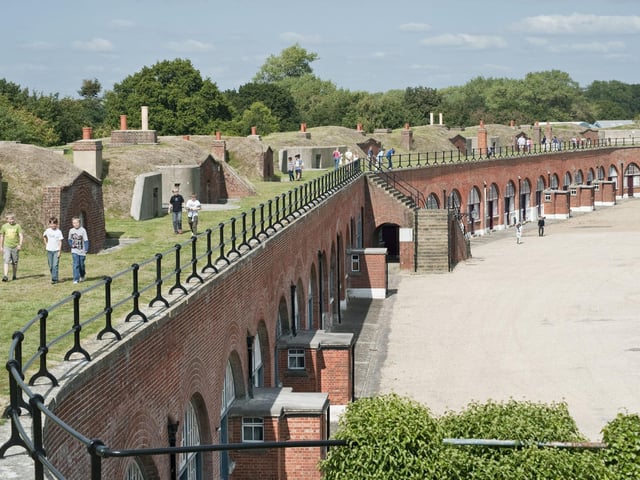
What about Fort Brockhurst in Gosport? One of a number of forts built in the 1850s and 1860s to protect Portsmouth and its vital harbour against a French invasion, it is full of history.
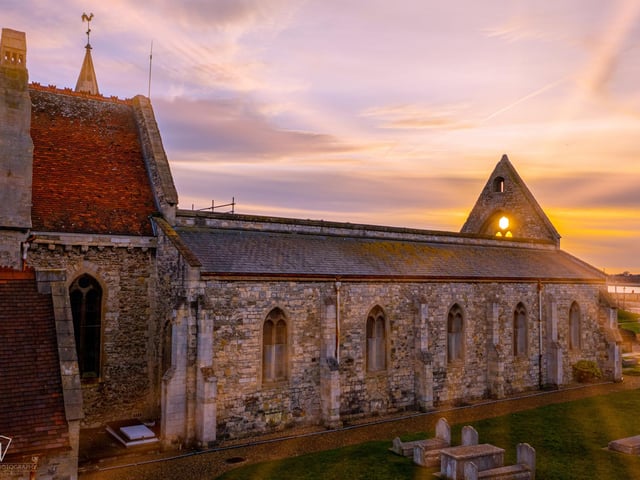
Or The Royal Garrison Church? Built in 1212 by the Bishop of Winchester as a hospital and hostel for pilgrims it is a place worth dropping into during your visit.
There are many other places too. Read on to find out more about the 13 historical gems in and around Portsmouth.
9. Fratton Park
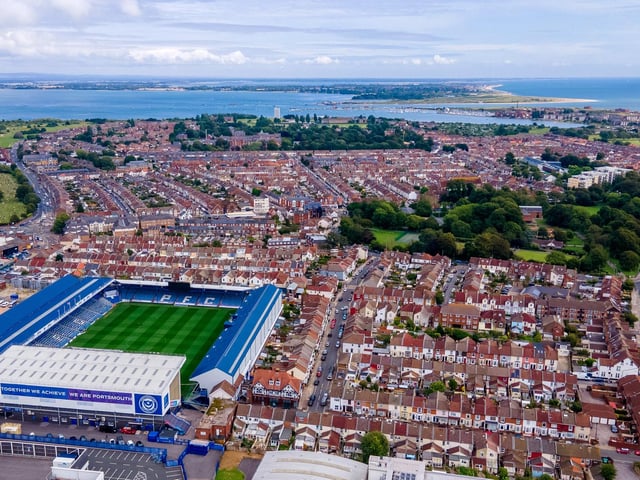
Fratton Park, home to Portsmouth FC, is located on Portsea Island. It is unique in English professional football as it is the only professional English football ground not found on the mainland of Great Britain. Fratton Park has been the only home football ground in Pompey's entire history since it was opened on August 15, 1899. The first ever match at the ground was a 2-0 friendly win over rivals Southampton on September 6, 1899. Ahead of this season it has seen some major work carried out to improve the ground. Picture: Neil Campbell www.skymarinerdrone.com Photo: -
10. Fort Brockhurst
Fort Brockhurst in Gosport is one of a number of forts built in the 1850s and 1860s to protect Portsmouth and its vital harbour against a French invasion. Largely unaltered, the parade ground, gun ramps, moated keep, washrooms and armoury can all be viewed. It is one of the popular locations involved in Gosport Heritage Open Days. Photo: contributed
11. Royal Garrison Church
The Royal Garrison Church was built in 1212 by the Bishop of Winchester as part of a hospital and hostel for pilgrims. After the Reformation it was used as an ammunition store, before becoming part of the governor of Portsmouth’s house during Elizabeth I’s reign. It was destroyed by fire bombs on January 10, 1941, but the chancel survived. King Charles II married there in 1662. Medieval hospital, Tudor ammunition store and church for the forces since the 1580s, the Royal Garrison Church has stood in Portsmouth for over 800 years. It is free to visit. Picture by Marcin Jedrysiak Photo: -
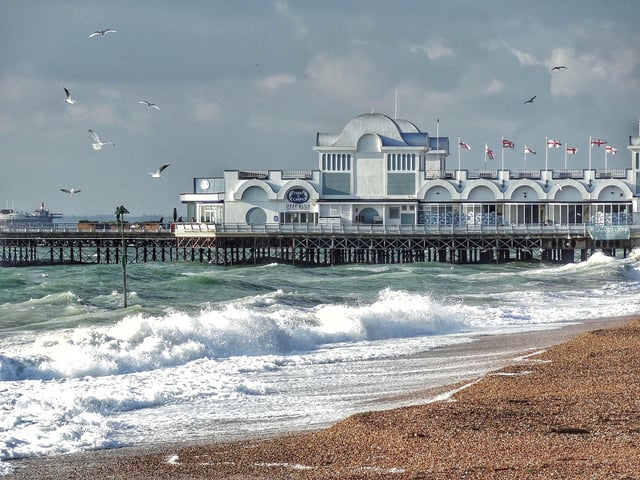
12. South Parade Pier
South Parade Pier in Southsea was opened in 1879. The pier's pavilion was destroyed by fire in 1904. It was partly dismantled during the Second World War in an attempt to hinder any invasion. In June 1974 during shooting of the film Tommy, the pier caught fire. Around 400 visitors plus film extras had to run for safety, with some jumping into the sea to escape the flames. In the 1980s the pier's Gaiety and Albert ballrooms were used several times a week for discos organised by Portsmouth Polytechnic students. The pier appeared in an episode of Mr. Bean entitled Mind the Baby, Mr. Bean. Picture: Trev Harman Photo: -