

There are plenty of things to see and do but in the city and its neighbouring town. Some of these you may be aware of but there are also many lesser known attractions that are sure to stimulate your interest.
While you are likely to know about attractions such as the Mary Rose Museum, places such as Southsea Castle, South Parade Pier and Portsmouth Naval Memorial are also locations steeped in history that are popular hotspots visited by thousands of people every year.
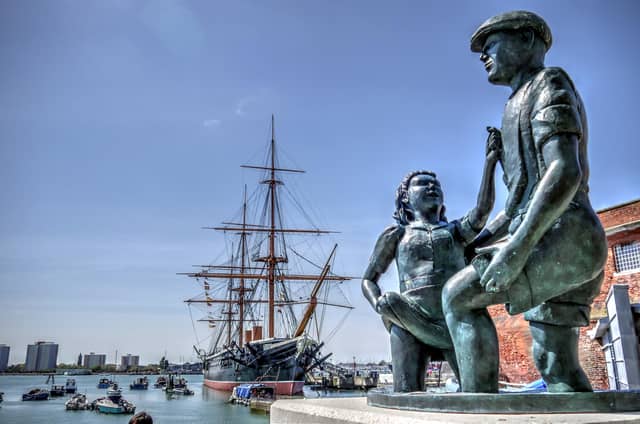
But there are also an array of historical gems you may not have heard of or visited. For example, have you heard of the mudlarks? Generations of Portsea children were known for entertaining travellers by retrieving coins they threw into the mud below the bridge to Portsmouth Harbour Station and Gosport Ferry. Statues and information about them can be found near the entrance to Portsmouth Historic Dockyard.
What about Fort Brockhurst in Gosport? One of a number of forts built in the 1850s and 1860s to protect Portsmouth and its vital harbour against a French invasion, it is full of history.
Or The Royal Garrison Church? Built in 1212 by the Bishop of Winchester as a hospital and hostel for pilgrims it is a place worth dropping into during your visit.
There are many other places too. Read on to find out more about the 13 historical gems in and around Portsmouth.
5. Southwick House
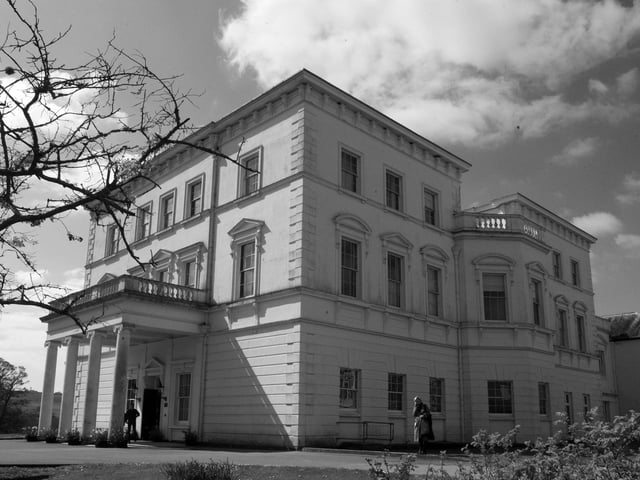
Southwick House, built in 1800, became important during the Second World War. In 1940, the estate owners allowed the Royal Navy to use the house to accommodate overnight pupils of the Royal Navy School of Navigation, HMS Dryad, which was based in Portsmouth Naval Dockyard. In 1941, after heavy bombing of the dockyard, the house was requisitioned and became the new home of HMS Dryad. In 1943, with the planning for D-Day already underway, the house was chosen to be the location of the advance or forward command post (Sharpener Camp) of the Supreme Headquarters Allied Expeditionary Force. The D-Day landing maps are still on display. Picture: Habibur Rahman Photo: habibur rahman
6. HMS M.33
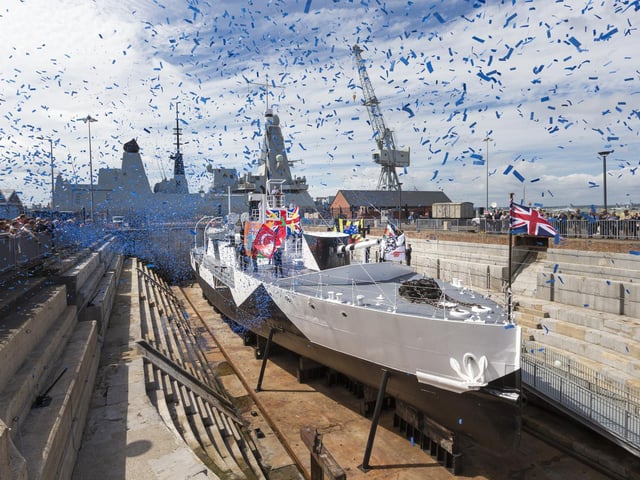
HMS M.33, based at Portsmouth Historic Dockyard, was involved in the ill-fated 1915 Gallipoli campaign in Turkey, in which 46,000 Allied troops died. She is the only surviving Navy ship from the campaign, and as such, holds great historic importance. This is despite the fact she was constructed and sent into service so speedily that she did not even warrant a name. Fabricated in just seven weeks she was one of nearly forty Monitors built in a rapid construction campaign following the outbreak of First World War. Although the Gallipoli Campaign claimed 100,000 lives of personnel from all round the world, M.33 was considered a lucky ship and, despite being showered by shell splinters, she suffered no casualties. Picture by Christopher Ison Photo: SCC
7. Portsmouth Cathedral
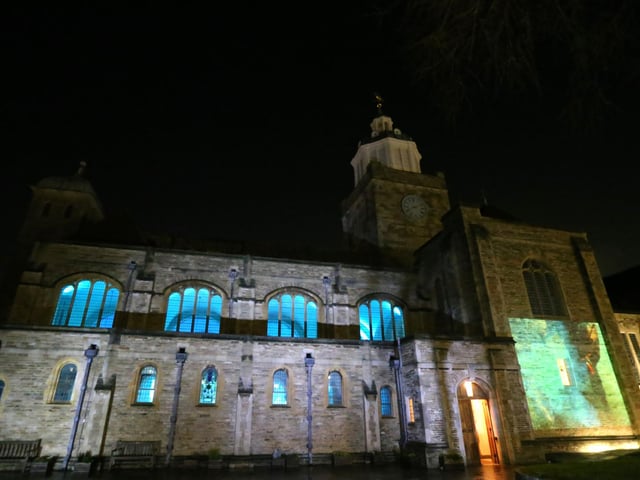
Portsmouth Cathedral, based in the centre of Old Portsmouth, has been a beacon for people on land and at sea for centuries, helping them navigate the passage of time with faith. It is the cathedral of the Diocese of Portsmouth and the seat of the bishop of Portsmouth. Picture: Chris Moorhouse (jpns 161122-27) Photo: Chris Moorhouse
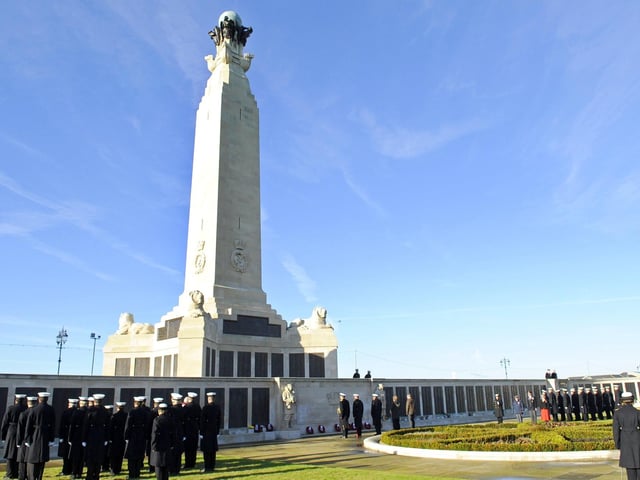
8. The Portsmouth Naval Memorial
The Portsmouth Naval Memorial on Southsea Common commemorates all those lost at sea in the world wars. The memorial commemorates approximately 25,000 British and Commonwealth sailors who were lost in the World Wars, around 10,000 sailors in the First World War, and 15,000 in the Second World War. The memorial features a central obelisk, with names of the dead on bronze plaques arranged around the memorial according to the year of death. Picture: Malcolm Wells (133084-9966) Photo: Malcolm Wells