

There are plenty of things to see and do but in the city and its neighbouring town. Some of these you may be aware of but there are also many lesser known attractions that are sure to stimulate your interest.
While you are likely to know about attractions such as the Mary Rose Museum, places such as Southsea Castle, South Parade Pier and Portsmouth Naval Memorial are also locations steeped in history that are popular hotspots visited by thousands of people every year.
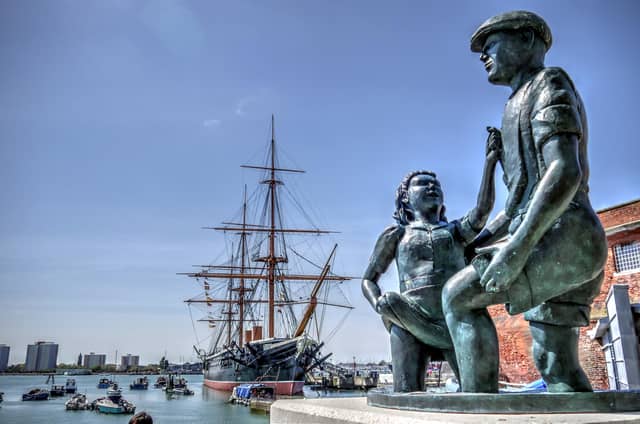
But there are also an array of historical gems you may not have heard of or visited. For example, have you heard of the mudlarks? Generations of Portsea children were known for entertaining travellers by retrieving coins they threw into the mud below the bridge to Portsmouth Harbour Station and Gosport Ferry. Statues and information about them can be found near the entrance to Portsmouth Historic Dockyard.
What about Fort Brockhurst in Gosport? One of a number of forts built in the 1850s and 1860s to protect Portsmouth and its vital harbour against a French invasion, it is full of history.
Or The Royal Garrison Church? Built in 1212 by the Bishop of Winchester as a hospital and hostel for pilgrims it is a place worth dropping into during your visit.
There are many other places too. Read on to find out more about the 13 historical gems in and around Portsmouth.
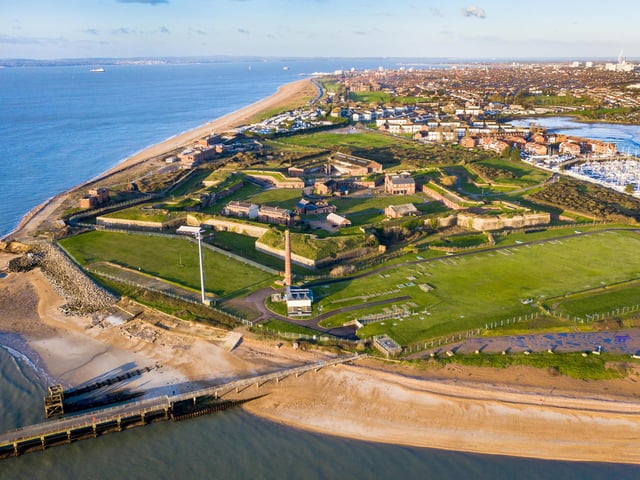
13. Fort Cumberland
Fort Cumberland is a pentagonal artillery fortification erected to guard the entrance to Langstone Harbour in Eastney. It was sited to protect the Royal Navy Dockyard, by preventing enemy forces from landing in Langstone Harbour and attacking from the landward side. Fort Cumberland is widely recognised as the finest example of a bastion trace fort in England. It is a scheduled monument and a Grade II* listed building - and is home to The Portsmouth Distillary. Picture by Brian Bracher/Compass Photography Services @compass_photography_services Photo: -
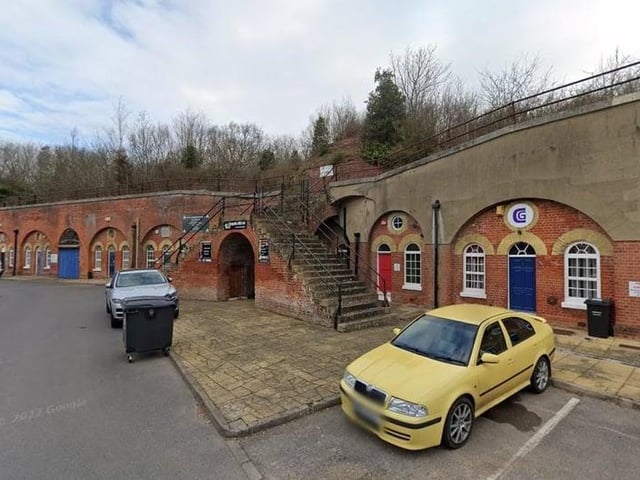
14. Fort Fareham
The Royal Commission fort was built in 1861 and is the only one of three proposed 'Gosport Outer Line' forts built due to defence cuts. It was intended to be part of a further line of defence to the already completed 'Gosport Advanced Line' of Forts Elson, Brockhurst, Rowner, Grange and Gomer, built to defend Portsmouth Harbour. It can be found in Newgate Lane, Fareham, with a number of businesses using it as their home. Photo: Google Maps
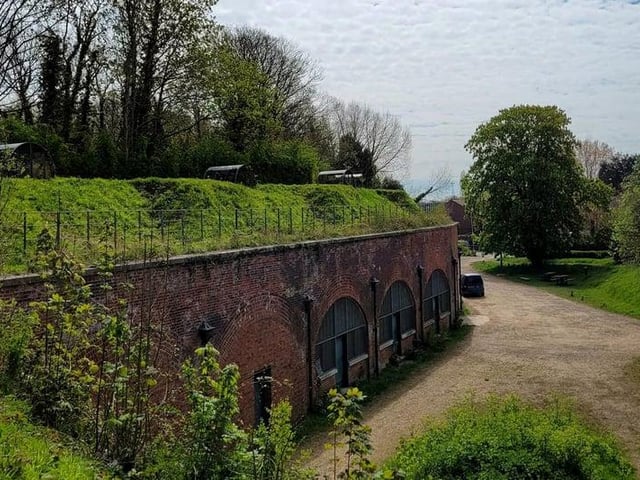
15. Hilsea Lines
The Earthwork defence dating from 1858-1869 features batteries, magazines and barracks can be seen when you take a stroll along the area to the north of the city off what is know locally known as Foxes Forest. The central section of the site, comprises three quarters of the Centre Bastion, and the west side of East Centre Curtain, where the railway enters Portsea Island (all formerly referred to broadly as Bastion no.5) Photo: Louise Barnett
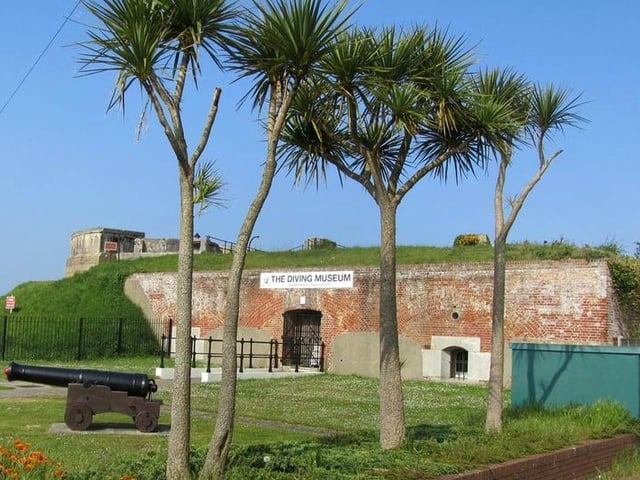
16. No 2 Battery, Stokes Bay Road, Gosport
Batteries No.1 and 2 were built in the Stokes Bay area of Gosport, primarily to defend against a sea-borne attack, and are located at the north-west end of the Stokes Bay Lines. They were part of a system of ramparts, moats and batteries built in the 1860s. The building is partly in use as The Diving Museum. Photo: Contributed