
‘All areas need efficiency savings’ at Royal Navy, Army and RAF to fill £10.7bn blackhole in spending

Measures have already been made within the Ministry of Defence to save money, but these could escalate further
Financial cuts will need to be made across all areas of the Ministry of Defence’s (MoD) budget as it stares down the barrel of a £10.7bn blackhole.
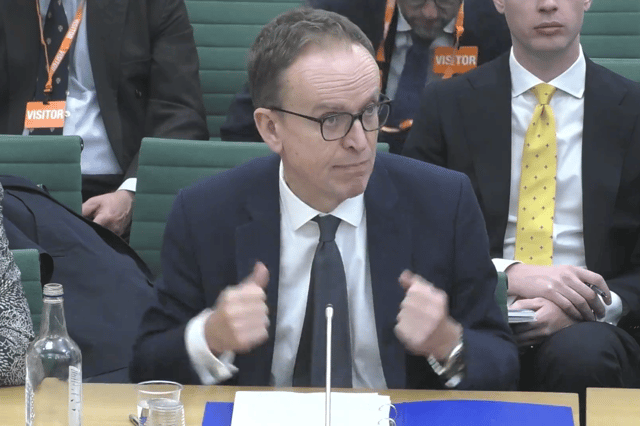
Permanent secretary Jeremy Pocklington said the government department is under a remit to make large scale efficiency savings. During a defence select committee today (November 24), he added that the MoD’s roughly £70bn is facing cost pressures within the large and complex organisation.
“All areas will need to make efficiency savings,” Mr Pocklington said. “The bulk of our budget is in the Military Strategic Headquarters (MSHQ) and the National Armaments Group. Proportionally, that is where the biggest savings need to be made.”

The recently published Defence Investment Plan (Dip) outlined the need to slash expenses to meet the savings gap, while funding revolutionary reforms such as the hybrid navy; where un-crewed and autonomous vessels support conventional warships.
Military Strategic Headquarters oversees direct military operations, standing commitments and exercises among other areas. The National Armaments Group is responsible for science and technology developments, equipment procurement, infrastructure and other matters.
Non-essential British Army and Royal Navy reserve training have already been cut back significantly in an effort to balance the books. Defence secretary Wes Streeting said at a previous committee meeting that the finances for the fiscal year were offtrack, savings needed to be made to balance the books, the culture of overspending needed to stop.
Lincoln Jopp, former British Army Colonel and current Conservative MP for Spelthorne, said it financial mismanagement in the MoD seems systemic at the start of the year, before everything is reigned in later on. He added: “Do you not have to change the culture to meet the secretary of state’s desires?”
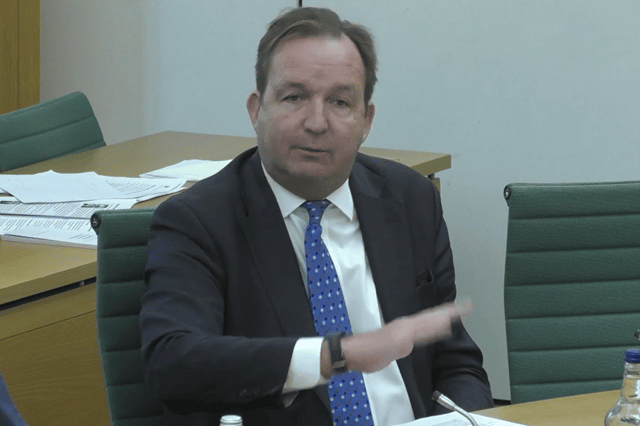
Mr Pocklington responded: “Some of our spending is determined by geopolitics, international markets, and costs in the supply chain which we can’t always predict. There will always be a job to do to manage our budget, but I agree we have to improve our oversight of financial management within the organisation. That is a key tenant of the defence reform programme.”
The permanent secretary said the fiscal year of 2026-27 is the first which has seen major reforms implemented, which included separating budgets into four key areas. These are operations, readiness, investment and nuclear deterrent. Other ways the MoD is trying to save money include better management of the estate by selling unwanted sites.
After being asked how the finances were allowed to go offtrack, Mr Pocklington said: “At the start of the financial year, we were managing financial pressures. Like other departments, we set our budgets in line with treasury parameters.
“We did of course face pressures, including rising fuel costs associated with events in the Middle East. What we continue to do is manage those pressures, so we are able to live within the parameters that the Treasury sets us. We remain on track to do that this financial year, but I have large and complex budgets where some spending cannot directly be forecast in advance.”