
'Threats are now': Streeting grilled as he warns unfunded defence target could create Liz Truss style crash

Defence select committee members expressed their exasperation that no further commitments were made towards three per cent of GDP by 2030
The Government could trigger a Liz Truss mini-budget style economic incident if it committed to spend three per cent of GDP on defence by 2030 without saying where the money will come from, the defence secretary has said.
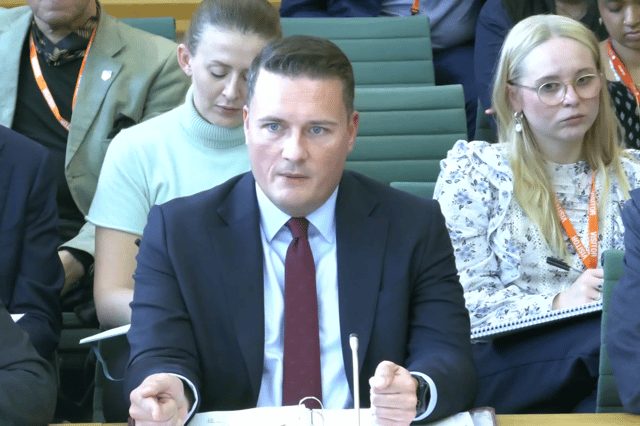
Wes Streeting was put under heavy scrutiny as he appeared before the defence select committee. When pressed if the government would set out a path towards three per cent of GDP by 2030, he said it was not “reasonable to expect the Chancellor to make big spending commitments outside of a fiscal event”.

The defence investment plan (Dip) currently sets out a path to spending 2.7 per cent of GDP on defence by the 2027-28 financial year, and chancellor John Healey will reportedly set out plans for the three per cent target in next year’s spending review.
Mr Streeting was told by the committee that Sir Keir Starmer had committed the UK to 2.7 per cent outside a fiscal event when he launched the Dip earlier this year by cutting overseas development aid, and responded: “But crucially what the prime minister did when he made that – Keir Starmer – made that choice, was set out the increase in defence funding and how he was going to pay for it simultaneously, outside of a major fiscal event, but still explaining how it would be paid for.
“We have had very bitter recent experience of a former prime minister making unfunded commitments to spend more, tax less, and borrow more all simultaneously, and it led to enormous loss of confidence, people’s mortgages going up, and a level of I think fundamental loss of confidence in Britain among investors, and this country is still recovering from that.”
He added: “Where I’d absolutely defend the Chancellor, so he wants to spend more on defence, we know this. He says he will do do more at the Budget, he says he will do more at the spending review, he also has to show how he pays for it.”
Decisions around armed forces funding caused Mr Healey, former defence secretary, to resign. In his resignation letter, he said the lack of financial support put armed forces personnel at risk. The recently published Defence Investment Plan (Dip), which set out how military reforms would be funded, also carried a £4.7bn funding gap.
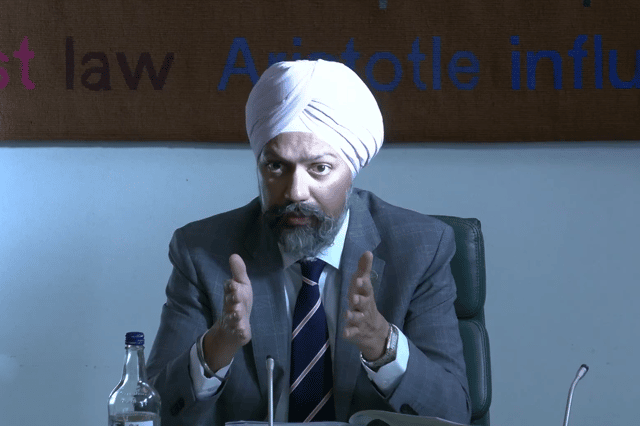
Mr Streeting said he’s been promised by the chancellor that funding will be covered in the budget, and more at the spending review next year. Committee member Derek Twigg, Labour, said: “We’ve heard previous commitments, and we’ve not got there. I’m pleased you have confidence, so let’s hope that proves right.”
He added: “Decisions about future defence spending are being deferred to the spending review next year. Given there’s a chance of a possible Russian attack by 2030 on Nato, is that year’s gap showing sufficient speed to meet this threat?
Mr Streeting responded: “Given we’re experiencing increased investment in defence, it doesn’t stop us doing anything now. We need to plan for the medium term and have to make the case at the spending review, but we also have to crack on with delivering now.”
Mr Twigg later asked: “By the spending review, will you not know how much you have to spend from then until 2030. Is it acceptable to wait until then?”
Mr Streeting responded: “I can absolutely live with that. We have the resources for this year. The budget will set out resources for next year, and we can make confident assumptions that defence spending will rise, so we can plan on that basis.”
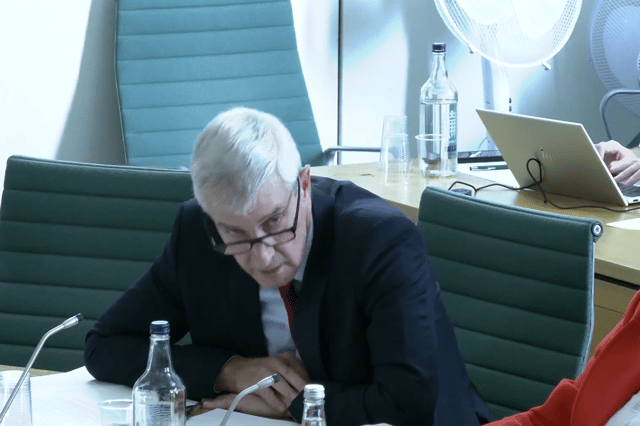
The committee's chair, Tanmanjeet Singh Dhesi, expressed his dismay about the lack of clarity. “The threats are here and now,” he said. “It seems palpable that we’re not meeting the moment. That is why there’s a sense of exasperation. Even the new prime minister has not charted that path to three per cent by 2030.
“As Mr Twigg stated, you cannot spend money that hasn’t been allocated to you. It needs to be allocated now to make preparations. Is there a lack of urgency to increase defence spending?”
Mr Streeting said other countries that have increased defence spending at a faster rate, such as Germany and Denmark, do not have as high of a debt to GDP ratio than Britain. When asked about if the timeline is a problem, he said: “No I don’t.
“We have the biggest sustained increase since the end of the Cold War. There is nothing to stop us making reasonable planning assumptions on the basis that the spending review will chart further spending.”
He added: “I wouldn’t have taken on this role if I didn’t believe the prime minister was committed to funding defence.”