
New mine-hunting motherships to bolster the Royal Navy fleet and Nato defences - when

New ships are being procured following an agreement between the UK and Norway
Sophisticated mine-hunting motherships will bolster the Royal Navy fleet after a new agreement was signed.
The UK and Norway agreed a deal for three new ships, which will play host to un-crewed systems in a bid to deal with undersea explosives. The aim is to is to detect and dispose of sea mines in a quicker and more effective way without putting personnel at risk.
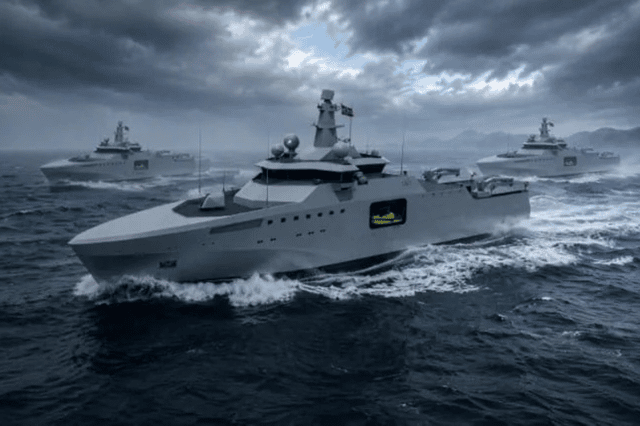

A total of £90m was set aside in the Defence Investment Plan (Dip) for the acquisition. Defence secretary Wes Streeting and his Norwegian counterpart, Tore O. Sandvik, confirmed the programme at the Atlantic Future Forum in Oslo on November 12.
He said: “This deal strengthens our ability to protect freedom of navigation, which is critical to our security and our economy. By using the biggest sustained increase in defence spending since the Cold War to put the latest modern technology in the hands of our Sailors, we are helping to keep them safe and ensuring they have the tools to protect our shores.
“This agreement also shows how the UK-Norway partnership helps both our countries, and our allies, meet the challenges of a more dangerous world.”
The Royal Navy will receive the first of the three Offshore Support Vessels in 2031. Known as “standardised vessels” in Norway, the UK has an option to buy a further three vessels.
Focus on mine-hunting capabilities was put under the spotlight during the Iran war. Tehran placed various sea mines in the Strait of Hormuz to disrupt the passage of vessels carrying crude oil.
RFA Lyme Bay, bristling with drone platforms, deployed to the region. It’s aim was to be involved in an allied operation to keep the strategic waterway open as soon as a peace deal was struck. Uncertainty around hostilities between Iran and the US-Israeli coalition have continued since.
The offshore support vessels can be deployed around the world in efforts to ensure freedom of navigation in areas where mines are laid. The agreement will see the UK join Norway’s major naval programme, the P1118 Standardised Vessel Programme. Financial backing will also enforce the Atlantic Net, with £90m set aside for autonomous systems and advanced sensors for the North Atlantic to track Russian activity.
Norwegian Defence Minister Tore O. Sandvik said: “The United Kingdom’s procurement of Norwegian Standardised Vessels will further strengthen our strategic partnership, rooted in the Lunna House agreement. Operating similar platforms will enhance our navy-to-navy cooperation and further improve our ability to operate seamlessly together, protecting and safeguarding NATO’s northern flank.”