
Manosphere makes it 'harder' to tackle sexual harassment against women and misogyny in Army

The high profile inquest of Jaysley Beck who died after her sexual harassment complaints were treated seriously put the Army under the spotlight
The manosphere has made it harder to stop misogyny and sexual harassment in the military, the head of the British Army has said.
General Sir Roly Walker, Chief of the General Staff, told MPs on the Commons defence select committee on Tuesday there had also been “deepening rifts within young people”, which were being “accelerated through social media”. That meant it was harder to make it safer for women serving in the armed forces.
Sir Roly’s appearance comes after an inquest last year found the Army had failed to take action after Gunner Jaysley Beck faced sexual harassment in the months before her death. Asked by MPs why sexual harassment in the armed forces was still as prevalent as it was five years ago, Sir Roly said: “My personal view is this gets harder before it gets easier, because of the trends in wider society.
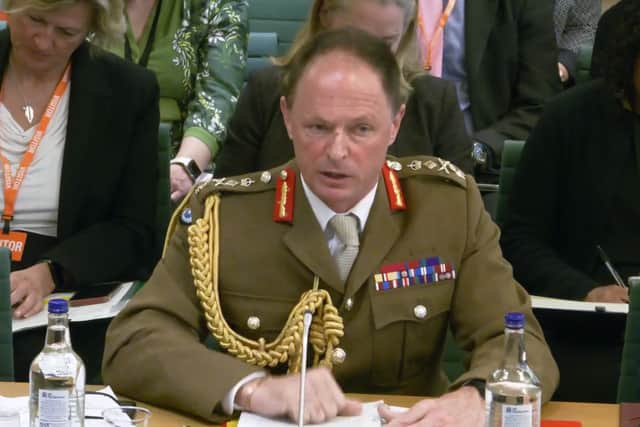

“The level of misogyny, the level of rancorous behaviour and belief systems, and the tension in wider society, is something we have to accept as the environment from which we attract. I’m well aware of what is going on with things like the manosphere and the sense of deepening rifts within young people, all of which is playing and accelerating through social media. A lot of that generation are coming through into the armed forces.”
During the committee hearing, Labour MP Emma Lewell said that between 2021 and 2024 there had been 122 investigations into sexual offences against under 18-year-olds at the Army Foundation College in Harrogate, North Yorkshire. Of those, 80 were sexual assault. In addition, Ms Lewell said, North Yorkshire Council had received 89 safeguarding notifications in the last five years concerning staff at the college.
The Army Foundation College is the sole military training unit for British Army recruits aged between 16 and 17 and a half. Sir Roly said he was not surprised that the sexual harassment figures have not fallen, despite a more focused approach within the Army, and said there was a need to recognise the challenge young people have when they join the military.
Sir Roly said: “The level of sexualisation in young people in society, the level of exposure to drugs, drink, alcohol, violence in wider society, it is not a surprise to me that when we take 10,000 civilians, generally between the ages of 17 and a half and 20, and train them to be soldiers, that in those early weeks and months of onboarding them into our organisation, we see the greatest correlation of behaviours which are at odds with our values and standards.
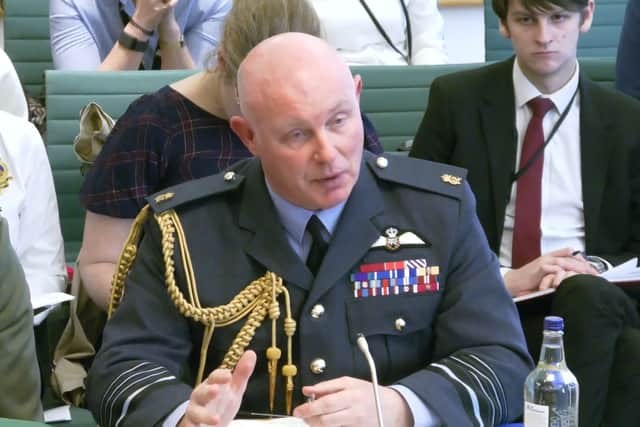
“People are drawn to the armed services because they want to be something different, and it takes a while to transform them from being civilians, in my case, into being soldiers, and that is a journey. It is not a cliff edge where you walk in the door and suddenly, you’re a different person. These have got to be learned behaviours and applied, and the guardrails are there to do that and do the very best for our people, so they can do the best for the nation.”
The Atherton Report was published in July 2021, which found that the Ministry of Defence (MoD) and armed forces were failing to protect female personnel. On Tuesday Sir Roly faced questions alongside Louise Sandher-Jones, minister for veterans and people, General Sir Gwyn Jenkins, First Sea Lord, Air Chief Marshal Harv Smyth, Chief of the Air Staff, Sam des Forges, MoD director of conduct, equity and justice, about action taken since the report’s publication.
Sir Roly said objectively women are as safe in the Army as they would be in civilian life, due to the recruiting process and service justice system protecting personnel from “predators, perpetrators and neerdowells”.
Air Chf Mshl Smyth, culture and behavioural change needs to happen to boost morale at a time when personnel are fighting ballistic missiles and one-way attack drones in the Middle East. He added that the numbers can always be better, but the relentless charge for cultural change is a daily quest for him. He said service chiefs need to work harder to push through cases for people who don’t report problems because they have no trust in the system, or believe it’ll impact their career.