
'Won’t solve cultural issues': Armed forces sex assault reforms addressed - CO's 'sweep issues under carpet'

Concerns have been raised on if new legislation goes far enough to protect victims of sexual crimes in the armed forces - after Commanding Officers were previously “sweeping issues under the carpet”.
Legal experts were giving evidence and scrutinising the initial drafting of the Armed Forces Bill. The document aims to address various concerns about female personnel in the Royal Navy, Army, and RAF, being subject to unacceptable sexual behaviour.
Clause 17 of the bill states that Commanding Officers (COs) in all the forces have a duty to report serious offences. Ahmed Al Nahhas, head of military claims at the law firm Bolt Burdon Kemp, said this will make a difference but the policy “needs teeth”. Speaking to the select committee on the armed forces bill, he said COs who don’t report serious crimes should face administrative action.

“This would not be criminal prosecution, but at least they’ll know their record is at stake,” he said. “There have been stories of Commanding Officers sweeping issues under the carpet. Those responsible for the chain of command for the victim should speak up.”
The recently published Armed Forces Sexualised Behaviour and Sexual Harassment Survey showed that 32 per cent of females from the 65,795 regulars that responded had been touched inappropriately or groped while serving, compared to five per cent of males. Additionally, eight per cent of females report that they suffered from “non-consensual sexual activity”, with only one per cent of males experiencing the same.
High ranking officials in the Royal Navy have been removed in the past for their inappropriate behaviour. Former First Sea Lord Admiral Sir Ben Key was sacked following a consensual relationship with a female under his command, despite being a married father of three children. Lieutenant Commander Martyn Mayger, former Commanding Officer of the Royal Navy patrol ship HMS Tyne, was removed from his post after being accused of “unacceptable sexual behaviour”.
It’s hoped the Armed Forces Bill can support in changing the culture in the military, particularly when it comes to sexual assault. Emma Norton, director for the Centre for Military Justice (CMJ), said: “I’m not sure how you can legislate for cultural change. There are some areas it could have gone into and hasn’t. Women make formal complaints about sexual harassment, and what we know about it is the complaints system is broken.
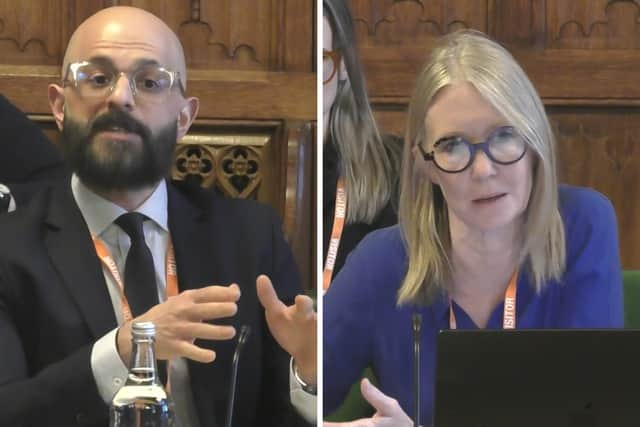
“The independent ombudsman for service complaints has said it’s neither effective, efficient, or fair. While there is all of this wider work going on, below the waterline threshold of criminal justice, there is an awful lot of work to be done. Those experiences in the armed forces are far worse than in any other workplace environment that I know of. Unfortunately, this bill does nothing about the service complaints process, and that is regrettable.”
Part of the bill - under clause 10 - will introduce a new victims code of practice in a bid to help them through the service justice system, The government is also trying to develop the tri-service complaints system to allow people to have access to independent advice and support outside the chain of command. This comes following the inquest of Royal Artillery Gunner Jaysley Beck, a 19-year-old who took her own life months after being sexually assaulted on Thorney island near Emsworth.
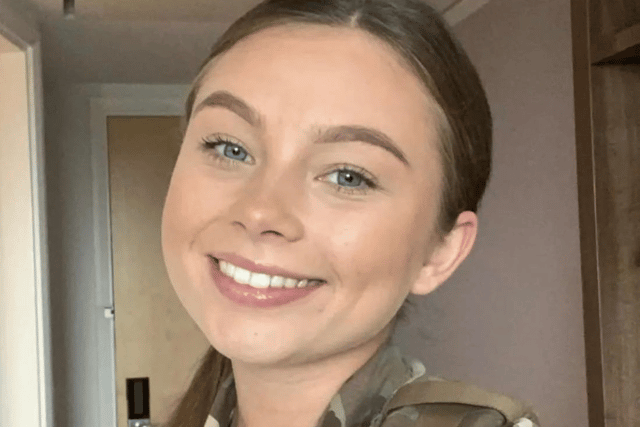
Her inquest found the mishandling of her complaint was “more than a minimal contributory factor” in her death. Warrant Officer Michael Webber, 43, was jailed for six months after pleading guilty to sexual assault. Colonel Samantha Shepherd and Major James Hook both denied “conduct prejudicial to good order and service discipline” in relation to Gnr Beck’s death, and a future case management hearing will be held on June 23.
Zoë Jackson, deputy chief executive of Aurora New Dawn - a domestic abuse and sexual violence charity - said: “It’s really important with victims that we’re transparent about what they can expect. In terms of how CO’s can respond to victims, that’s going to be very important. I recognise that a lot of what happens in the early stages is going to be decided by those individuals. Having a clear framework about how we approach that to ensure we’re supporting victims from an early stage is going to be crucial.”
Mr Al Nahhas added: “I would encourage you to think of the victim and their unique position as a service person. Service personnel have far fewer legal rights than civilians. If you can imagine a young woman who has suffered a service offence, perhaps a sexual crime, she needs to be provided with clear advice on a number of areas. Her employment law rights, civil rights, the criminal process, the issue about jurisdiction. A comprehensive signposting service is going to be really important.”
Ms Norton said despite some improvements, the vast majority of people who experience serious unacceptable sexual behaviours don’t report it. “The reason is they think there will be implications for their career, and they think they’ll suffer the consequences,” she added. “That’s exactly our experience. Multiple women would say that happened to them.”
Ms Norton said offering independent support outside the chain of command was very welcome. “This follows the Jaysley Beck case. Her family took this wider advocacy around the issue. It’s testament to them that it’s happening. It’s more than a year on from the Beck inquest, and we still don’t have it in place. We’ll be watching that very closely.”
Mr Al Nahhas added: “The more we show true independence in these processes, the better. The way that MoD have responded to these concerns has been to focus on efficiencies, and not necessarily on the quality of outcomes. The trust in these systems is very low. Until you tackle the real issues, not just the speed of the system, you’re going to have problems.”