
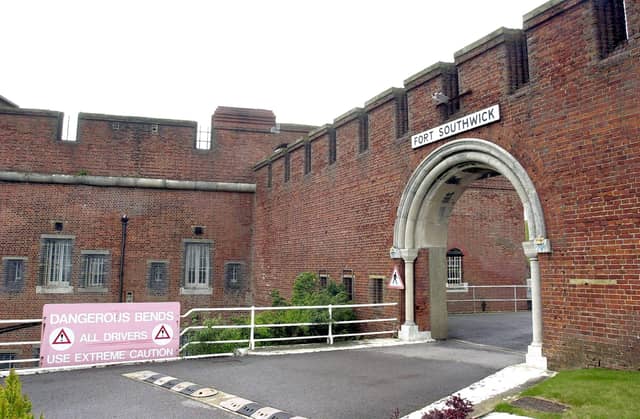

The most recent ‘at risk’ register lists 25 local buildings from across the Portsmouth area including brickworks, military buildings and boatyard buildings and outlines the action needed to preserve these historical gems. The public body said the programme shines a light on historic sites most in need and has brought local people together in caring for and enjoying their heritage.
However huge strides have been made to protect some of these sites including at Fort Widley, where the Victorian military fort turned activities and equestrian centre, is making good progress to being saved following recent conservation work.
Fort Widley is a Victorian military fort built between 1861 and 1870 on top of Portsdown Hill, overlooking the city and is is part of a group of forts known as the Palmerston Forts, which were built to defend Portsmouth from a possible French invasion. These forts were never used in battle, and some people later called them “Palmerston’s Follies” because the threat never came.
During the World Wars, Fort Widley was used for storage, troop movement, and later as a bomb disposal and command centre, and then the 1960s, it was taken over by Portsmouth City Council. It is now managed by the Peter Ashley Activity Centres Trust under a full repairing lease from the council. The site is home to the Fort Widley Equestrian Centre and offers community room and space hire, as well as a hub for heritage tours.
It is listed as a Scheduled Monument and currently on the Heritage at Risk Register but is making good progress towards its removal. A grant of £270,957 from Historic England to conserve the six-foot bridges that lead into the former barrack block has greatly increased accessibility for the community.
Darren Bridgman, Chief Executive, Peter Ashley Activity Centres Trust said: "The conservation work at Fort Widley marks a really positive step in safeguarding one of Portsmouth’s most unique heritage landmarks. The repairs to the bridges have not only protected an important part of the fort’s historic fabric but also improved access for the community, opening up new opportunities for education, community use and inclusion.
“We are extremely grateful to Historic England and Portsmouth City Council for their support and proud to play a part in ensuring the fort continues to inspire future generations.”
Other sites where huge progress is being made is at Gilkicker Fort in Gosport which is in the process of being transformed into new homes (see the video embedded in this story), and at No 2 Battery in Gosport, home to The Diving Museum, which is undergoing a refurbishment.
Another success story is Bastion No. 1 in Gosport, a late 18th century bastion, which is now a public green space and has been saved thanks to the work of the local community and has been removed from the ‘at risk’ register.
Bastion No.1 is part of the old defences of Gosport. It was built between 1797 and 1802 as part of a larger line of earthworks and forts called the Gosport Lines, and is one of the last surviving examples of this kind of military defence in an English town.
These defences were designed to protect Portsmouth Harbour from attack. At one point, the bastion would have had cannons mounted on it, as well as a moat that would be flooded to make it hard for enemies to cross.
In the 1950s, Gosport Council bought the land and subsequently restored the site in the 1980s, so that locals could visit. Scheduled as a monument in the 1970s, it is now a public green space, and thanks to the work of Friends of Bastion No. 1 & Gosport Borough Council, funded by the Gosport Heritage Action Zone & Coastal Communities Fund, it has been saved and removed from Historic England’s Heritage at Risk Register.
Richard Whittington, Principal Conservation and Design Officer, at Gosport Borough Council said: "The removal of Bastion No.1 from the Heritage at Risk Register reflects the hard work and dedication of all those involved. This includes the Friends of Bastion No. 1, Gosport Borough Council and Historic England, who were funded by the Gosport Heritage Action Zone & Coastal Communities Fund.
“Its removal from the Heritage at Risk Register will help protect Bastion No.1's legacy, allowing the public to continue to enjoy this much-loved local landmark for years to come. The Heritage Action Zone project also produced a Conservation Management Plan for Bastion No.1 to ensure its future upkeep."
Historic England said around 6,800 historic sites have been rescued over the past 25 years – equivalent to around three-quarters of the entries on the original register from 1998 and that being on the ‘at risk’ register can help to attract much-needed funding or assistance to take action.
Claudia Kenyatta CBE and Emma Squire CBE, Co-CEOs of Historic England, said: “The heritage we see all around us impacts how we feel about our local places. The annual Heritage at Risk Register gives us the opportunity to celebrate the many benefits of bringing our historic buildings back into use.
“The best way to protect our buildings is to reuse them, turning them into places of local connection and joy. The sites that have been saved and have come off the Register this year really highlight the benefits of working together in partnership, and with communities, to create positive, sustainable change. Together we can safeguard our heritage for future generations.”
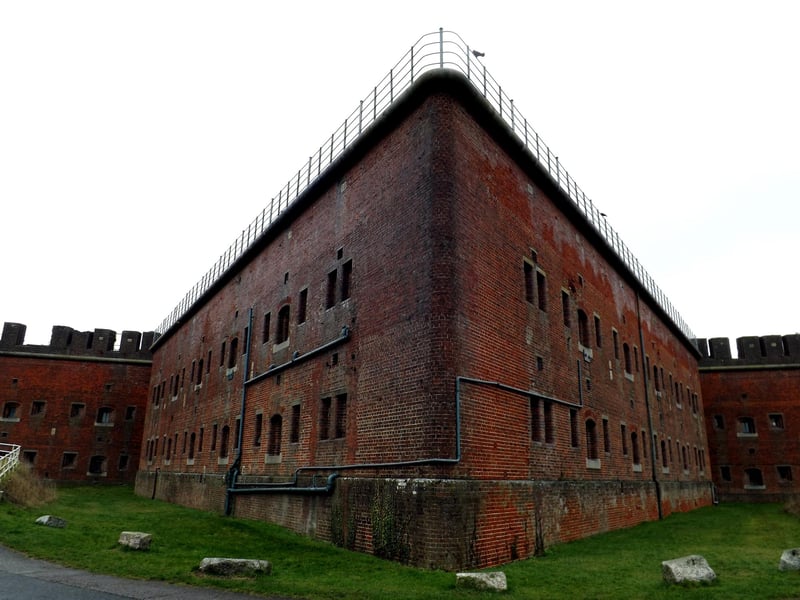
9. Fort Purbrook, Portsdown Hill
Fort Purbrook is one of a series of forts built for the defence of Portsmouth against landward attacks in the 1860s and known as Palmerston's Follies as they were never used defensively. It is now used by the Peter Ashley Activity Centres as an outdoor activities centre which is popular with many in the community and has been taking an active role in its preservation. The team there have been carrying out improvement works at the site. The Grade II* listed building is described as being in a poor condition. Photo: Robert Pragnell
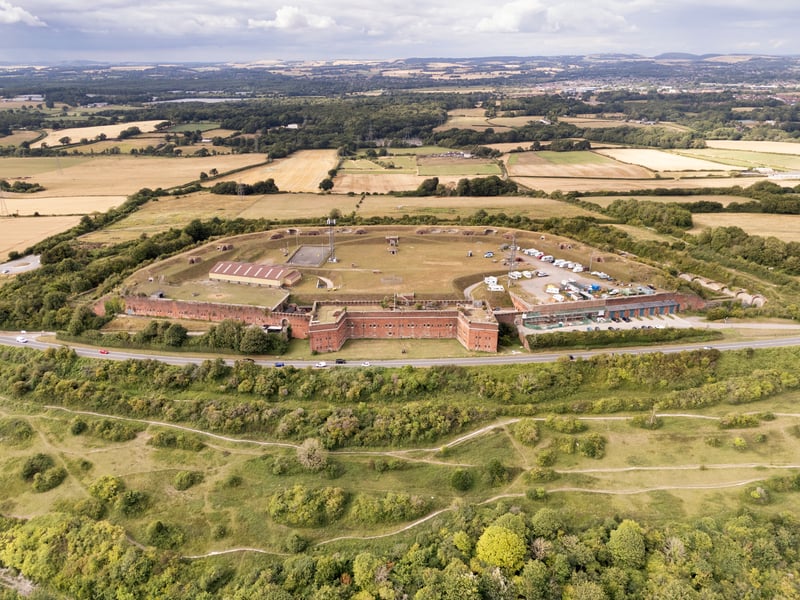
10. Fort Widley
This Victorian military fort turned activities and equestrian centre, is making good progress to being saved following recent conservation work. It’s listed as a Scheduled Monument and currently on the Heritage at Risk Register but is making good progress towards its removal. However it is still desibed as being in a poor condition. A grant of £270,957 from Historic England to conserve the six-foot bridges that lead into the former barrack block has greatly increased accessibility for the community. | The Historic England Archive, Hi Photo: Historic England
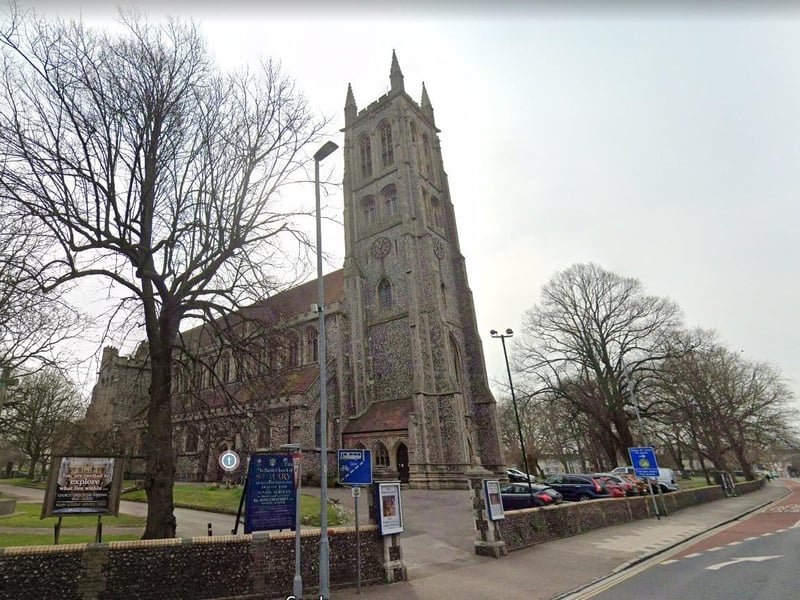
11. Church of St Mary, Fratton Road, Portsmouth
The church was designed by Sir Arthur Blomfield and built of flint and Bath stone with plain tile roofs between 1887-9. The church has received significant grant aid from Historic England and the National Lottery Heritage Fund in three phases to help make repairs. The Grade II* listed building is described as being in a poor condition. | Google Photo: Google Maps
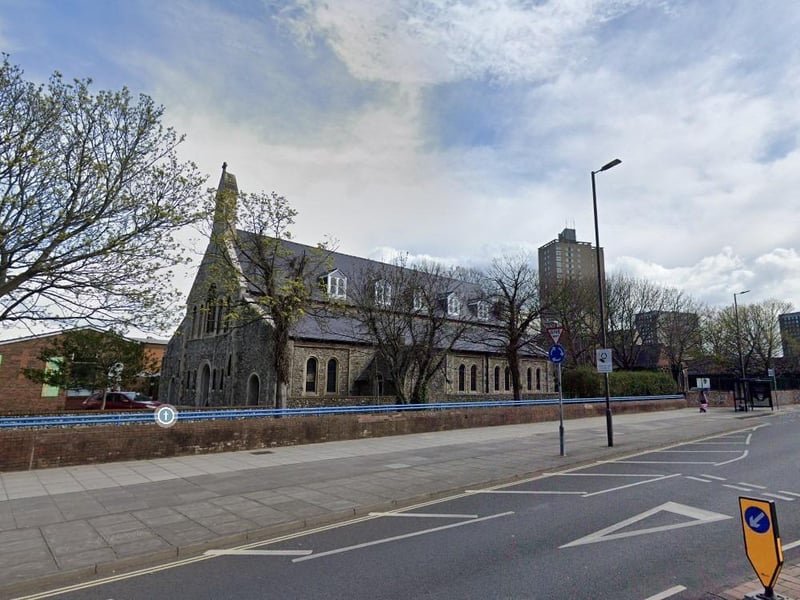
12. Church of St Luke, Greetham Street, Portsmouth
The Neo-Norman church by Thomas Hellyer of Ryde is dated 1858-61and is built of flint and stone with a Welsh slate roof. It is at risk due to extensive damp problems caused by water ingress resulting mainly from faulty and undersized rainwater goods. The Grade II listed building is described as being in a poor condition. Photo: Google Maps