
The most recent ‘at risk’ register lists 25 local buildings from across the Portsmouth area including brickworks, military buildings and boatyard buildings and outlines the action needed to preserve these historical gems. The public body said the programme shines a light on historic sites most in need and has brought local people together in caring for and enjoying their heritage.
However huge strides have been made to protect some of these sites including at Fort Widley, where the Victorian military fort turned activities and equestrian centre, is making good progress to being saved following recent conservation work.
Fort Widley is a Victorian military fort built between 1861 and 1870 on top of Portsdown Hill, overlooking the city and is is part of a group of forts known as the Palmerston Forts, which were built to defend Portsmouth from a possible French invasion. These forts were never used in battle, and some people later called them “Palmerston’s Follies” because the threat never came.
During the World Wars, Fort Widley was used for storage, troop movement, and later as a bomb disposal and command centre, and then the 1960s, it was taken over by Portsmouth City Council. It is now managed by the Peter Ashley Activity Centres Trust under a full repairing lease from the council. The site is home to the Fort Widley Equestrian Centre and offers community room and space hire, as well as a hub for heritage tours.
It is listed as a Scheduled Monument and currently on the Heritage at Risk Register but is making good progress towards its removal. A grant of £270,957 from Historic England to conserve the six-foot bridges that lead into the former barrack block has greatly increased accessibility for the community.
Darren Bridgman, Chief Executive, Peter Ashley Activity Centres Trust said: "The conservation work at Fort Widley marks a really positive step in safeguarding one of Portsmouth’s most unique heritage landmarks. The repairs to the bridges have not only protected an important part of the fort’s historic fabric but also improved access for the community, opening up new opportunities for education, community use and inclusion.
“We are extremely grateful to Historic England and Portsmouth City Council for their support and proud to play a part in ensuring the fort continues to inspire future generations.”
Other sites where huge progress is being made is at Gilkicker Fort in Gosport which is in the process of being transformed into new homes (see the video embedded in this story), and at No 2 Battery in Gosport, home to The Diving Museum, which is undergoing a refurbishment.
Another success story is Bastion No. 1 in Gosport, a late 18th century bastion, which is now a public green space and has been saved thanks to the work of the local community and has been removed from the ‘at risk’ register.
Bastion No.1 is part of the old defences of Gosport. It was built between 1797 and 1802 as part of a larger line of earthworks and forts called the Gosport Lines, and is one of the last surviving examples of this kind of military defence in an English town.
These defences were designed to protect Portsmouth Harbour from attack. At one point, the bastion would have had cannons mounted on it, as well as a moat that would be flooded to make it hard for enemies to cross.
In the 1950s, Gosport Council bought the land and subsequently restored the site in the 1980s, so that locals could visit. Scheduled as a monument in the 1970s, it is now a public green space, and thanks to the work of Friends of Bastion No. 1 & Gosport Borough Council, funded by the Gosport Heritage Action Zone & Coastal Communities Fund, it has been saved and removed from Historic England’s Heritage at Risk Register.
Richard Whittington, Principal Conservation and Design Officer, at Gosport Borough Council said: "The removal of Bastion No.1 from the Heritage at Risk Register reflects the hard work and dedication of all those involved. This includes the Friends of Bastion No. 1, Gosport Borough Council and Historic England, who were funded by the Gosport Heritage Action Zone & Coastal Communities Fund.
“Its removal from the Heritage at Risk Register will help protect Bastion No.1's legacy, allowing the public to continue to enjoy this much-loved local landmark for years to come. The Heritage Action Zone project also produced a Conservation Management Plan for Bastion No.1 to ensure its future upkeep."
Historic England said around 6,800 historic sites have been rescued over the past 25 years – equivalent to around three-quarters of the entries on the original register from 1998 and that being on the ‘at risk’ register can help to attract much-needed funding or assistance to take action.
Claudia Kenyatta CBE and Emma Squire CBE, Co-CEOs of Historic England, said: “The heritage we see all around us impacts how we feel about our local places. The annual Heritage at Risk Register gives us the opportunity to celebrate the many benefits of bringing our historic buildings back into use.
“The best way to protect our buildings is to reuse them, turning them into places of local connection and joy. The sites that have been saved and have come off the Register this year really highlight the benefits of working together in partnership, and with communities, to create positive, sustainable change. Together we can safeguard our heritage for future generations.”
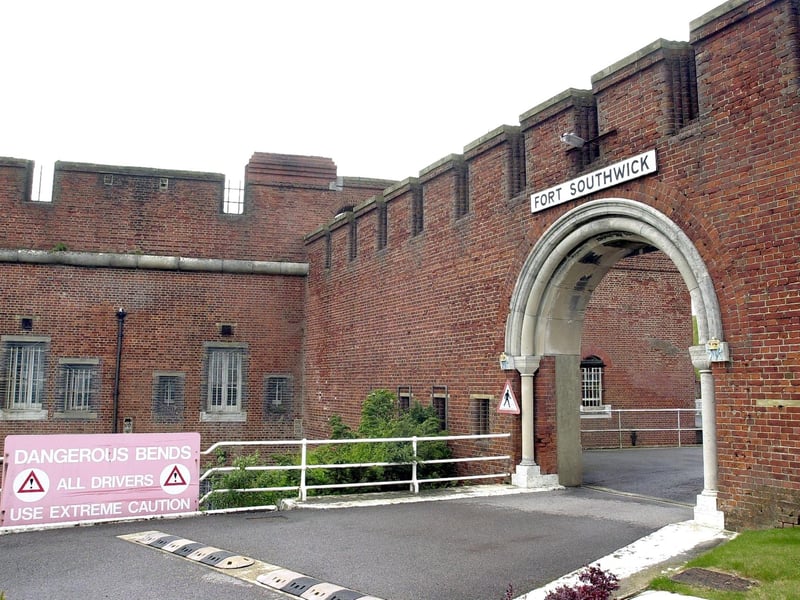
1. Fort Southwick
One of the Palmerston Portsmouth defences and a key location for the planning of the D-Day landings, parts of the monument are in poor condition. Following disposal by Defence Estates, the site is now operated by an estate management company as a business park with a number of different companies operating from the site. The new owners have carried out some repairs but more are needed, together with a carefully planned maintenance regime. It is described as being in a fair condition and is a Scheduled Monument. | The News Photo: The News
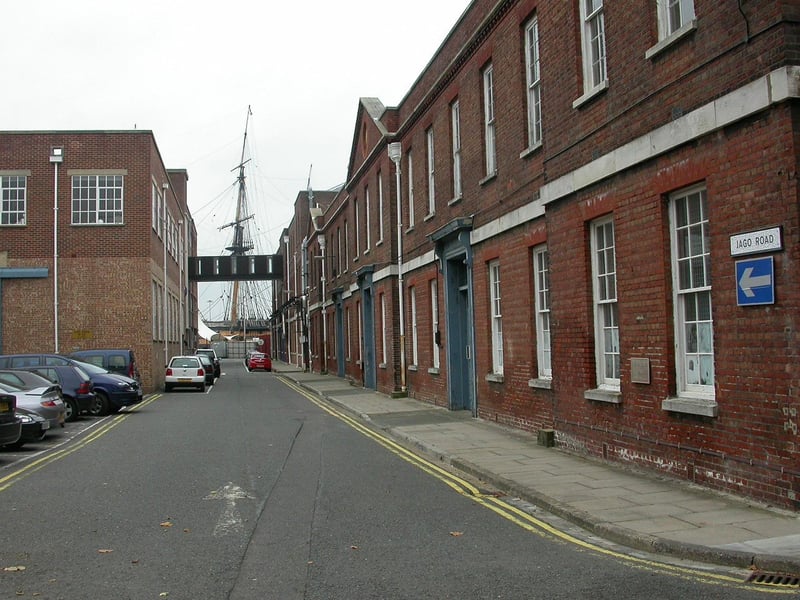
2. No. 25 Store, Yard Services Manager's Office, Jago Road, HM Naval Base
The two storey storehouse of 1782, with internal courtyard is in a fair condition and vacant, Historic England said. A repair scheme in progress with some water damage identified and a new use has been agreed but not yet implemented. It is a Grade II* listed building and is described as being in a fair condition. | English Heritage Photo: English Heritage
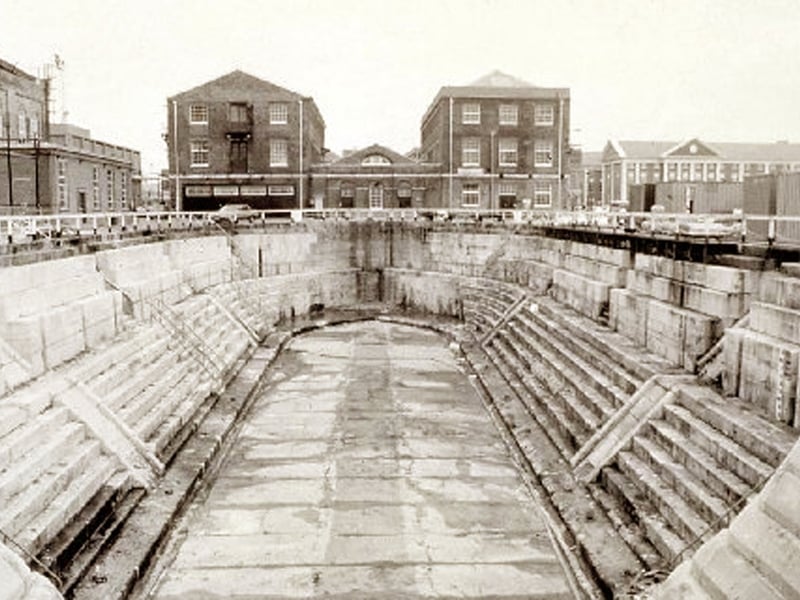
3. No.5 and No.6 Dock - Basin No.1 at Portsmouth Dockyard
Docks 5 and 6 are part of a complex of late 18th century and early 19th century ship building and repairing docks with associated quay walls and mooring fixtures. Dock 6 is suffering from rotation, open mortar joints, water penetration through mitre gate and spalling stonework. Dock 5 has been flooded due to failure of the gates and is vulnerable to algal growth and saturation of stonework with risk of accelerated decay. Works to address water ingress at Dock 6 have been granted SMC and are due to be undertaken soon. This will allow for future conservation repair work to the dock and mitre gate. It has been given a priority C Grade, and is suffering from “slow decay". It is described as being in a poor condition and is a Scheduled Monument. | Contributed
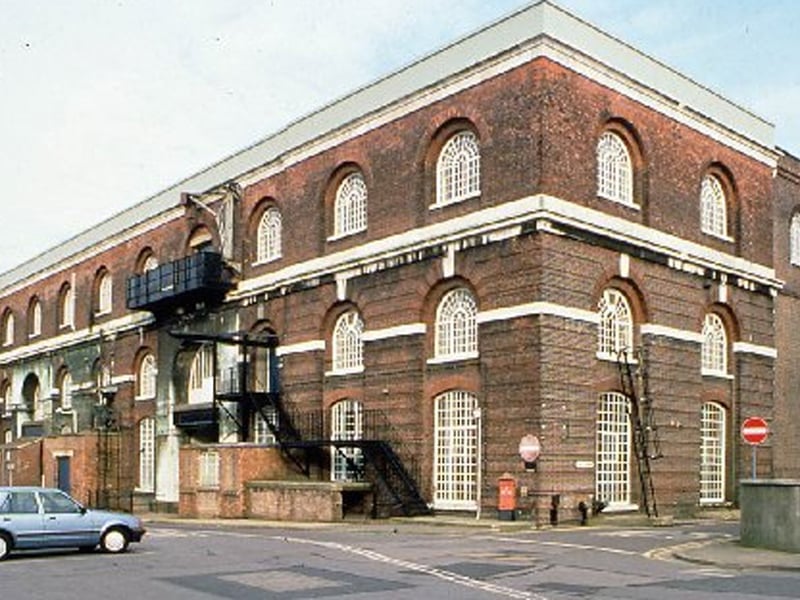
4. Iron and Brass Foundry - HMNB Portsmouth
The Iron foundry and smithery, built 1857-1861 by Col GT Greene RE and Andrew Murray, Chief Engineer, was extended in 1878 with later alterations. The main part of the building was converted to office use in 2003. The east wing (Building 1/136) remains unused and at risk. There were concerns over drainage and regular flooding of the building but this has been resolved. Roof repairs are due to be undertaken. It has been given a priority C Grade, and is suffering from “slow decay”. It is a - Grade II* listed building and is described as being in a fair condition. | Contributed