
Portsmouth in Bloom: How to make your garden a safe haven for birds
As part of the build-up to Portsmouth In Bloom, our nature expert Martyn Cox looks at garden birds
Living by the sea means our gardens will never attract as many different birds as our country cousins.
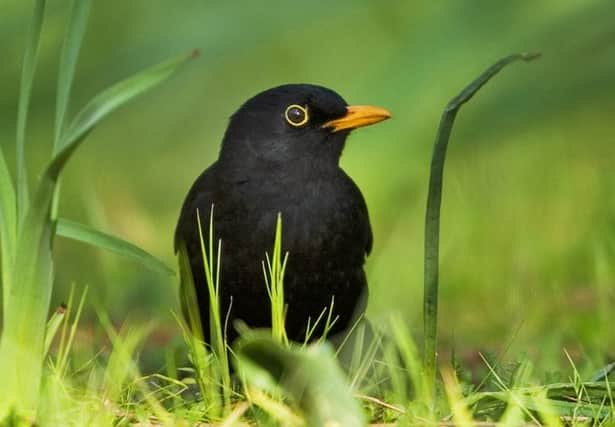

Yet that doesn’t mean we shouldn’t try to make our gardens more bird friendly. With a few minor changes, it’s possible to turn any space into something that our feathered friends will get into a flap about.
It’s easy to make our gardens more enticing. Introduce a few of the right plants (there are plenty of trees, shrubs, climbers and perennials they like) and take a more relaxed approach to garden maintenance. Providing them with water will ensure they have something for drinking and bathing.
Even putting out a solitary feeding device will make a big difference. A few years ago, my Southsea garden was largely frequented by blackbirds, starlings, sparrows and blue tits. A few weeks after installing a tube feeder filled with nyger seeds, it also became a destination for goldfinches.
It’s worth making the effort. Apart from filling our garden with life, birds are an important ally in the battle against pests. Blackbirds eat slugs, great tits like greenfly and thrushes are partial to snails. Remarkably, a pair of adult blue tits can collect up to 10,000 leaf-munching caterpillars for their young.
Gardening with birds in mind is also good for conservation. Almost half of UK bird species are in decline due to a variety of factors, including habitat loss and pesticide use. Even birds considered common, like house sparrows and starlings, are on the so-called ‘red list’ of species considered most in danger.
A few choice plants will turn any plot into a bird sanctuary. Cotoneaster, viburnum and pyracantha are shrubs loved for their berries, while ivy and honeysuckle will provide cover, places to nest and food. Crab apple, birch and hawthorn are among the best trees to plant for birds.
Rudbeckia, hylotelephium, Verbena bonariensis and many other perennials look attractive when flowering in summer but are followed by long-lasting seed heads that are magnets to hungry birds over winter. Due to this, resist the temptation to chop all perennials down to the ground in autumn.
Adding a feeding device is a foolproof way to encourage birds into gardens.
Traditional bird tables are popular with a wide range of species, while ground feeding stations are preferred by robins, thrushes and blackbirds. Hanging feeders are loved by blue tits, great tits and greenfinches.
Birds will only go to feeders if they feel safe from predators, so place in a spot where they have an open view of the garden and can escape to cover if frightened.
Avoid fixing hanging feeders on trees above dense shrubs or too close to walls, where cats could hide and mount an ambush.
The RSPB has recently advised gardeners to stop feeding birds with seed mixes and peanuts between 1 May and 31 October. However, it’s fine to provide them with bits of apple, pear and soft fruits, along with high protein foodstuffs, such as suet pellets, mealworms and fat balls.
Finally, find a spot for a bird bath or shallow bowl and fill it up with clean water every day. Empty and disinfect both feeding devices and water containers once a week. At the same time, clean up any droppings or spilt food from around the base of feeders.

Portsmouth in Bloom
Although judging packs for each category will not be sent out until later this year, people are being encouraged to register their interest in taking part in Portsmouth in Bloom now by emailing [email protected].
Portsmouth in Bloom is only open to residents and businesses within the city council boundary and city council tenants living outside the city.
The email should include:
- Who you are
- Where you live
- What category you are going to be entering
- The inspiration for your space
- Why you love planting
- What sustainability measures you have incorporated (eg water saving)
Entrants will then be sent a pack setting out the categories, some hints and tips and some basic information on the sustainability themes and water-saving measures.
Registrations will remain open until June 30 and Martyn will be providing his own advice in a weekly column which will be published in The News and on portsmouth.co.uk and have a particular focus on sustainable planting and gardening.
After June 30 registered participants will be sent a link to a form so they can submit their entries for judging. Photographs and videos will be allowed in support of submissions. This will close on July 24.
There will then be a shortlisting process and a small judging panel will visit the spaces to make final decisions.