

But just because us locals (mostly) know how to correctly pronounce our cities, towns and villages, it does not mean that many visitors do.
Here are just 15 of the names of places across Hampshire which can be mangled by visitors. What would you add?
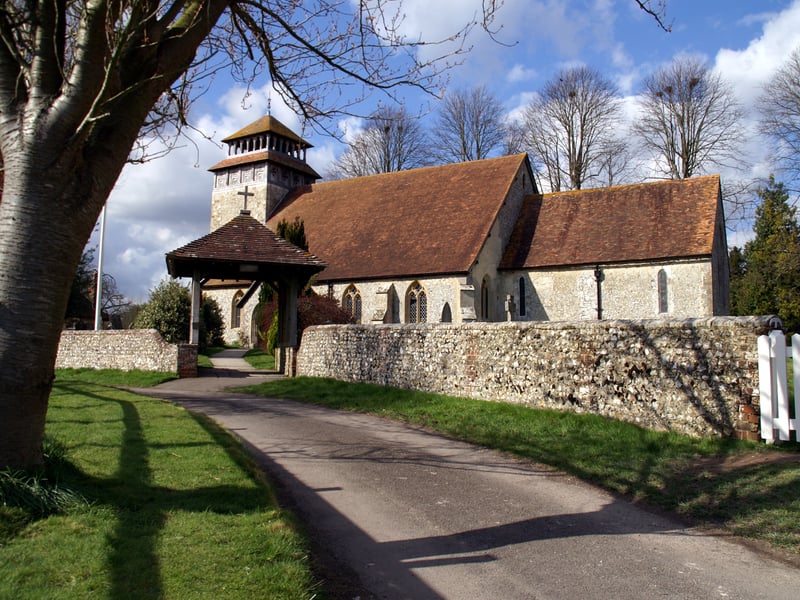
9. Meonstoke
Meonstoke in the South Downs is pronounced "Mee-on-stoke" but is mispronounced as "Mee-own-stoke". Menestoche is mentioned in the Domesday Book of 1086, with 28 heads of families listed, suggesting a possible population of 140. In the 13th century, Meonstoke was granted a weekly market, suggesting the importance of the village at the time. | Wikipedia
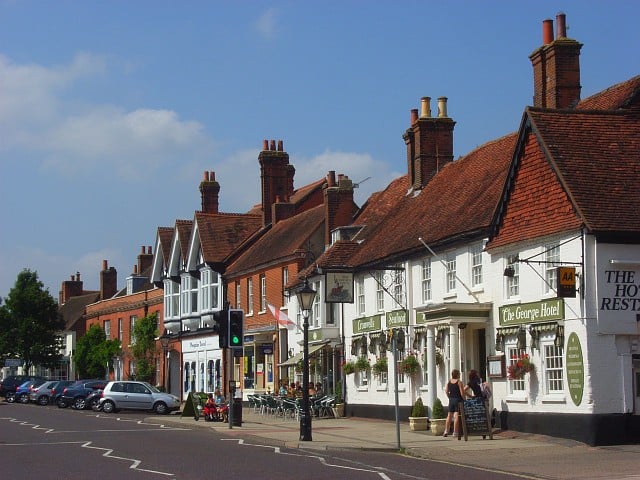
10. Odiham
Odiham is pronounced "Oh-dee-um" or "O-dee-ham" by can be mispronounced as "Oddy-ham". The first written record of Odiham's existence is in the Domesday Book (1086), where it appears with its current spelling, although the spellings Odiam and Wudiham have sometimes been used since. King John decided in 1204 to build Odiham Castle and it was built during the years 1207 to 1214 at a cost of over £1,000. It has been at the centre of much royal history ever since, including being a location where Kings Henry VIII stayed with Anne Boleyn. | Wikipedia
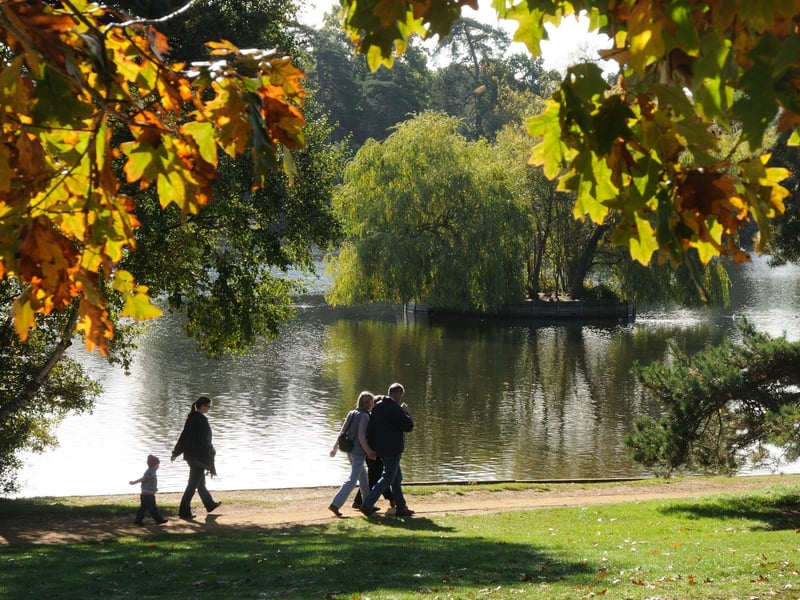
11. Petersfield
Petersfield is pronounced "Peeters-field" which is sometimes mispronounced as "Pet-ers-field". The town was founded during the 12th century by William FitzRobert, 2nd Earl of Gloucester, later chartered by his widow, Hawise de Beaumont and confirmed by charter in 1198 from "John, Count of Mortain" (later to be King John). The town's market square has an 18th-century equestrian statue of King William III by John Cheere. The king is mounted and the statue is on an engraved plinth. It is one of only five statues of William in the United Kingdom outside Northern Ireland and, as such, attracts bands of marching Orangemen in mid-July to commemorate William's victory at the Battle of the Boyne. Picture: Anne Purkiss Photo: Anne Purkiss
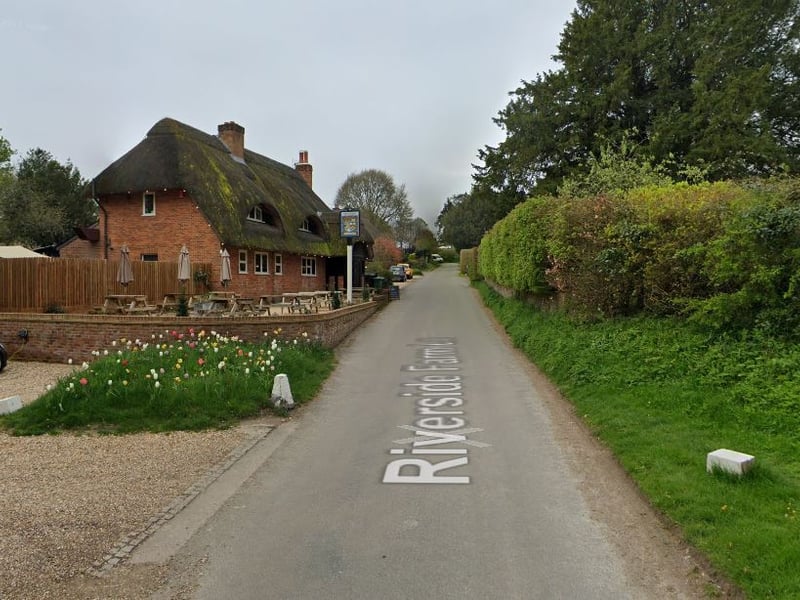
12. Tichborne
Tichborne is pronounced "Titch-born" but can be pronounced "Tike-born". However, Tichborne is not recorded in the Domesday Book of 1086. The Roman Catholic Tichborne family has held the manor since the 12th century. Tichborne House was built shortly after 1803[5] while a longstanding baronetcy (indicating the use of 'Sir') was held by the family. There was a notorious 19th-century legal case of the Tichborne Claimant, in which an English imposter, Arthur Orton, then living in Australia, claimed to be missing Tichborne family member Sir Roger Tichborne. | .