
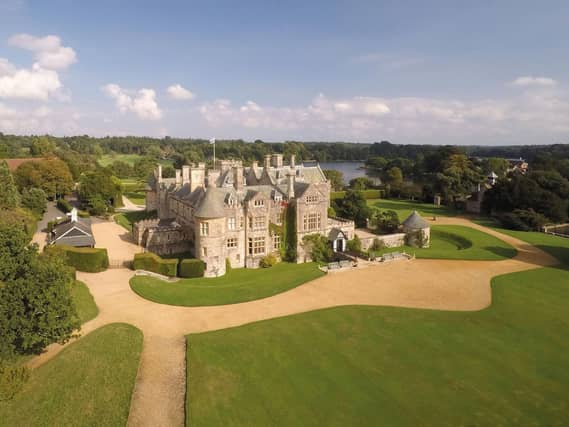

But just because us locals (mostly) know how to correctly pronounce our cities, towns and villages, it does not mean that many visitors do.
Here are just 15 of the names of places across Hampshire which can be mangled by visitors. What would you add?
5. Droxford
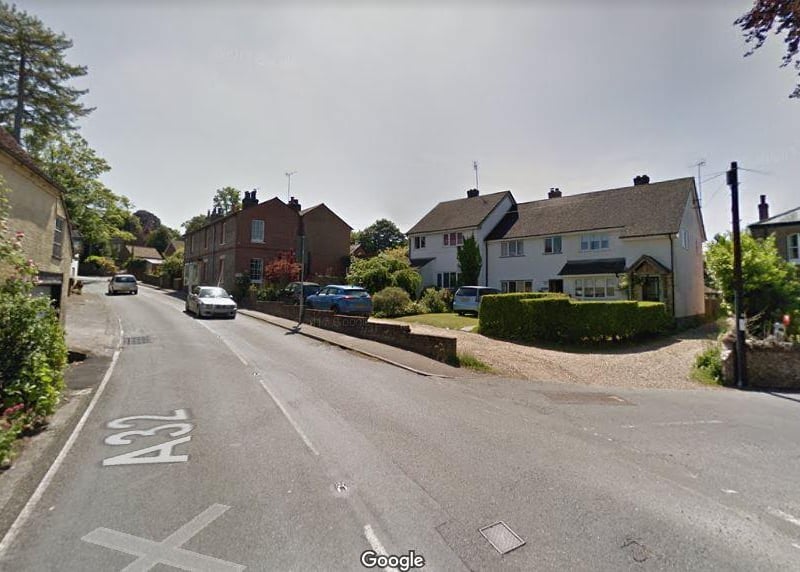
Droxford is pronounced "Drox-ford", though sometimes the pronunciation means it is done with an overemphasized "Droks-ford". This village is in the Meon Valley and dates back to the Anglo-Saxon times. In June 1944 Allied leaders including Winston Churchill, Dwight Eisenhower, and Charles de Gaulle met in a railway carriage at Droxford railway station to discuss the imminent D-Day invasion. There is a bench in the village to commemorate this meeting of world leaders in Droxford Photo: Google Maps
6. Havant
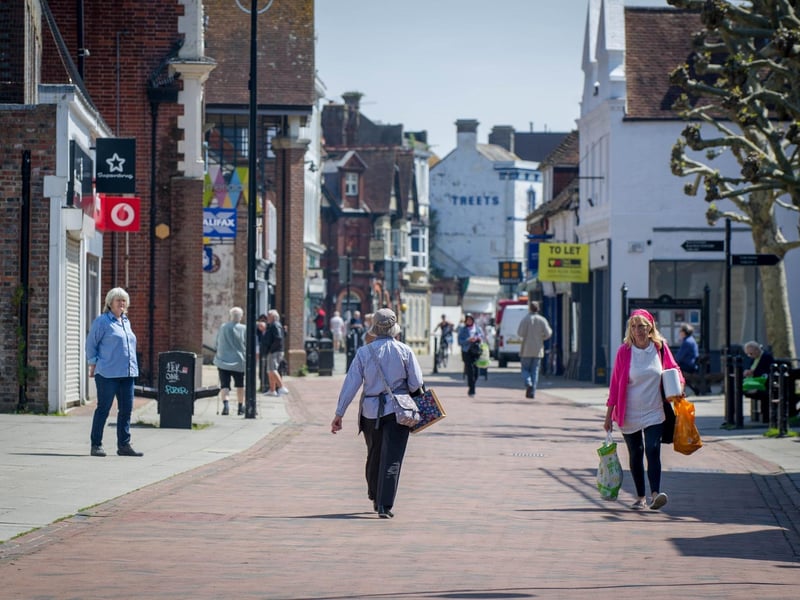
Havant is pronounced "Hav-ant", though is occasionally mispronounced as "Hav-ent". The old centre of the town was a small Celtic settlement before Roman times and the town's commerce, retired and commuter population swelled after World War II so as to be usually considered economically part of the Portsmouth conurbation. This is why the city has responsibility for some of the social housing in the town. | . Photo: Habibur Rahman
7. Itchen Abbas
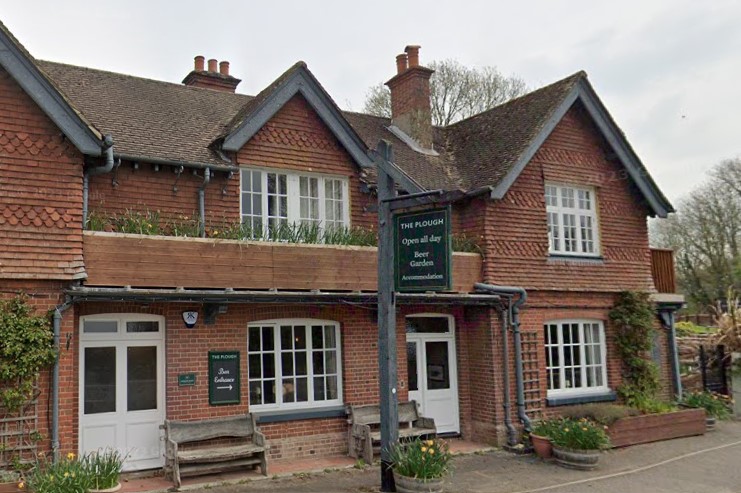
Itchen Abbas is pronounced "Itch-en Abbas" but can be mispronouced as"Eye-chen" or "It-chen". The Domesday Book in 1086 recorded that the manor of Icene (Itchen) was held by Hugh son of Baldri (Hugh fitzBaldric), that it had previously been held by St Mary's Abbey, Winchester, that the abbess claimed it, and that King William had restored it to the abbey; hence the village became known as Itchen Abbess which evolved to Itchen Abbas. Itchen Abbas is also mentioned in the Hampshire folk song "Avington Pond" as the place where the builders of the pond were paid their wages. They were given their money in the Plough public house. | Google Maps
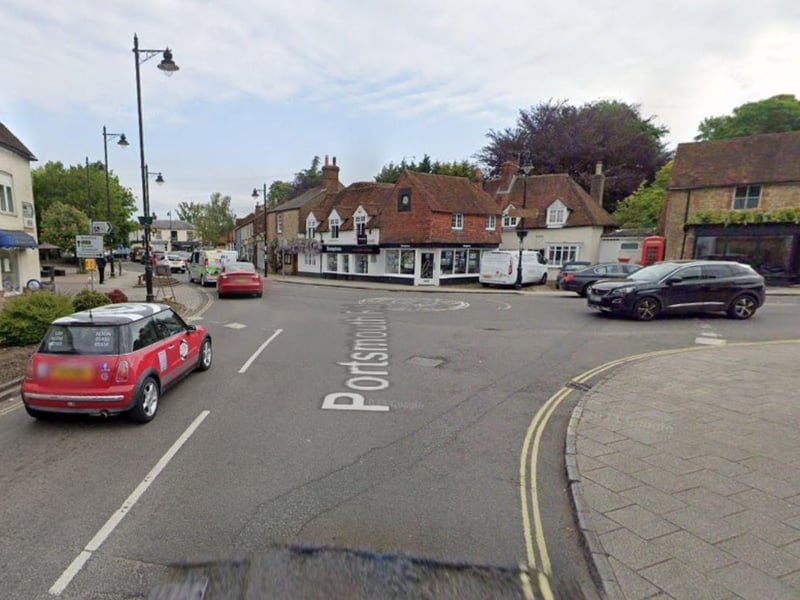
8. Liphook
Liphook is pronounced "Lip-hook", but is sometimes pronounced as "Lie-pook". Just a stone's throw from the Surrey border, Liphook grew from a coach stop on the way up to London from the south coast and is now a popular commuter location. The town was also a base for Canadian troops during the second world war. Photo: Google