
Sturdy heavy-lift drone built in Fareham braves freezing cold in Alaska across 1000km delivering medical tests

The drone is currently being used in various environment to deliver supplies, including the frontline in Ukraine
An advanced aerial drone that has been used on the frontline in warzones has completed a landmark trial in Alaska.
The Windracers ULTRA, built by skilled engineers in Fareham, braved the bitter cold and high winds across 1,000km. It was tested to see if it can carry anti-doping blood tests safely and reliably over long distances - facilitating sport events such as the Olympic Games.
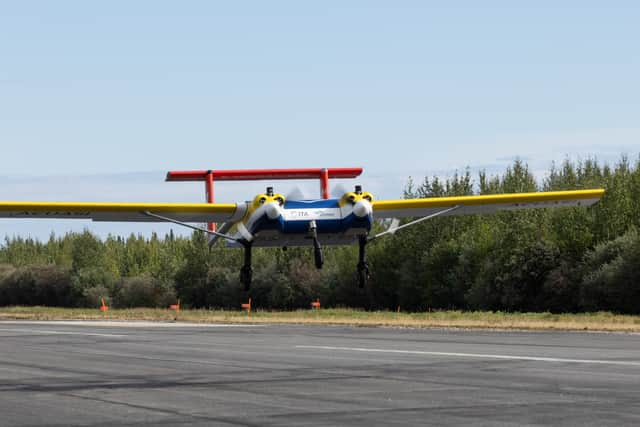

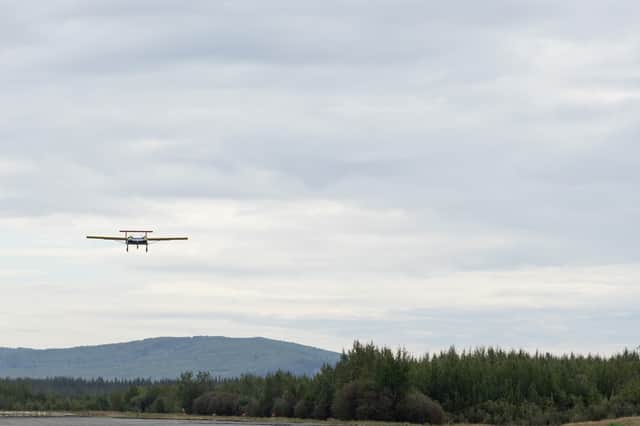
This recent flight, facilitated by the UAV experts at Alaska Center for Unmanned Aircraft Systems Integration (ACUASI) at the University of Alaska Fairbanks, took place over several hours.
CEO Simon Muderack said: “The mission of Windracers is to push the boundaries of autonomous aviation in service completing our customers missions. This flight, expertly managed by Cathy Cahill and the ACUASI team, did exactly that and, created a new benchmark of ULTRA performance while delivering a result for our partners ITA and Sysmex. I look forward to a time when Windracers ULTRA is a standard option for sample delivery at major events such as the Olympic games.”
The company has been growing exponentially since it set up in the Portsmouth area. It’s one of the three firms supplying at least 120,000 drones for Ukraine to support Kyiv forces fighting against Russia’s illegal invasion.
Its un-crewed aircraft are designed to transport various supplies across different environments. The recent trial was the first BVLOS (beyond visual line of sight) Windracers ULTRA flight in North America, led by the International Testing Agency (ITA) - the leading provider of independent anti-doping programmes.
The ITA has been researching if its anti-doping tests and blood samples can be transported by drones, in an effort to deliver cargo faster than conventional transport. These tests took place on August 19 from Nenana Municipal Airport near Fairbanks Alaska.
The ULTRA drone is a 10-metre fixed-wing autonomous aircraft made from aluminium. Cathy Cahill, Director of ACUASI at University of Alaska Fairbanks, said: “Looking at the efficacy of autonomous air cargo for medical test samples is incredibly important for Alaska because 82 per cent of our communities are not on the road system.
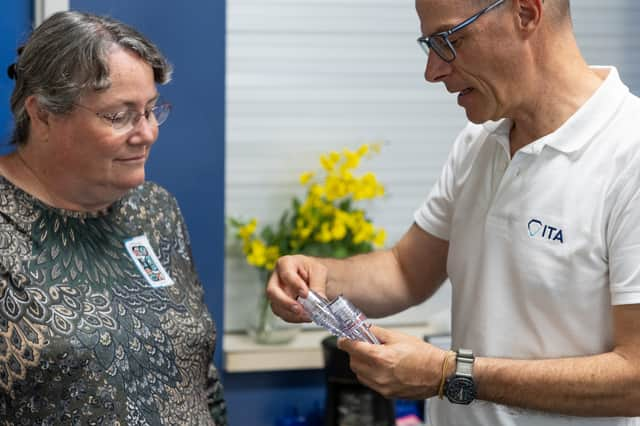
“That means it’s very difficult to bring medical care and supplies into those communities to address issues. If we can have nurses go into the community and take samples, send them back by UAV for analysis, determine what medications are needed and then send medications back by UAV before the nurses leave, that is a huge benefit in giving people the care they need, where they live and in a timely manner.”
The ITA will compare results recorded before and after the flight to determine whether the journey had any discernible impact on white and red blood cell populations. If the study returns successful results, it could lead to new transport options for event organisers.
ITA director general Benjamin Cohen said: “Innovation is essential to addressing practical challenges in anti-doping, but it must always be underpinned by robust science and the highest standards of sample integrity and chain of custody. Through this research, we are assessing whether drone technology can become a reliable additional option for transporting samples over long distances or across difficult terrain. The findings may also have applications beyond anti-doping, particularly in helping remote communities access laboratory and medical services more quickly and efficiently.”