
"We're creating the Jeep of the skies": Expanded Fareham factory boasts "dependable" drones for Ukraine front

Rugged and dependable drones built in Fareham are being deployed around the globe on various missions - including to the Ukrainian front-line amid Russia’s invasion.
Windracers in Brunel Way is expanding rapidly and the Ultra dual-use heavy lift aircraft it produces is being built in numbers. This comes as the firm creates 50 new high-skilled jobs amid the government’s pledge to turn the defence sector as the “engine for growth”.
Stephen Wright, founder and executive chairman, said he had a vision of what could be done in the drone sector in 2015, and everything is progressing quickly. “I can see a trajectory that will accelerate,” he told The News.
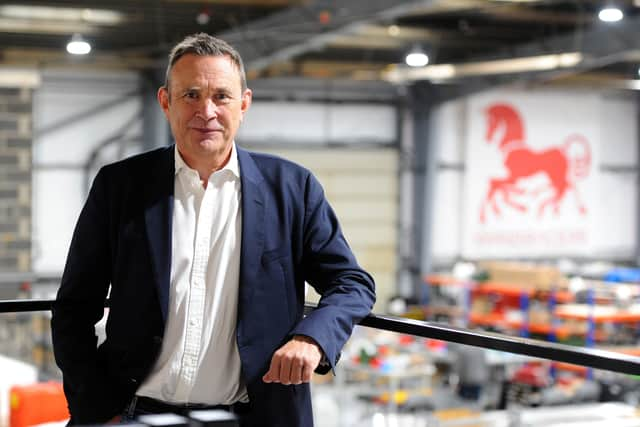

“It’s a new sector and a growing industry, there’s huge potential for it. Hopefully, we’ll look back at this and think ‘were we in this little old factory in Fareham’, grow in size and take over other lots around here.”
What is the Ultra drone?
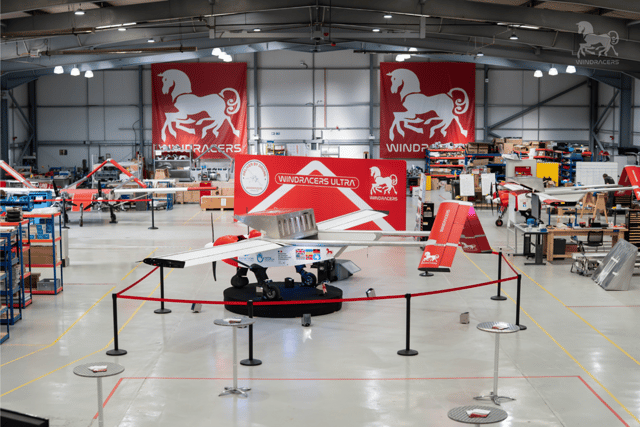
The aircraft can carry a payload of up to 150kg across a range of up to 1,000km. It’s fixed-wing design means it can handle extreme weather conditions and environments. It is currently being procured by the Ministry of Defence (MoD) and Ukraine in a military transport capacity.
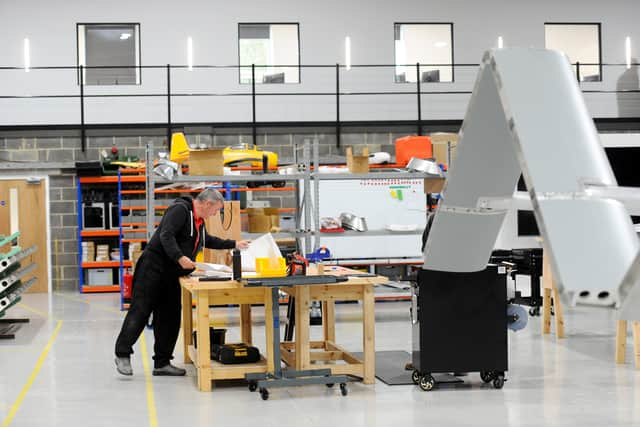
Ultra is being used in Antarctica, various sites across North American and Europe, and will soon be utilised to deliver humanitarian aid to blighted communities impacted by the ongoing civil war in the Democratic Republic of the Congo (DRC). “We want to create the Jeep of the skies, a rugged and dependable unit which can be used in a wide variety of roles,” Mr Wright added.
“That was the concept right from the start. That’s a big advantage because there’s too much specialisation. The market is growing and we can’t just rely on one use case, it’s not efficient. We want this to fly the mail in the morning, deliver agricultural products in the afternoon, and survey in the evening. We need multiple roles to use the platforms to the fullest extent.”
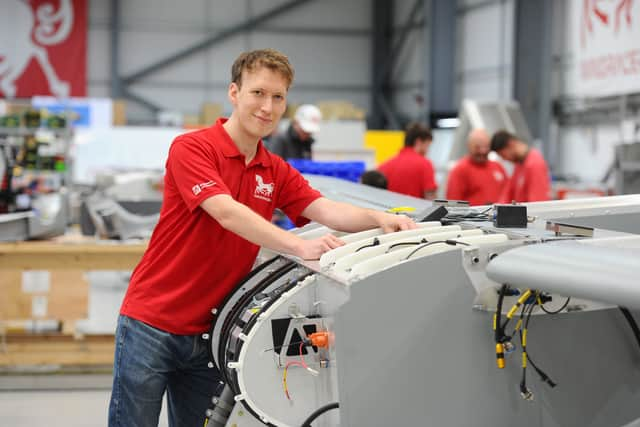
Chief Designer Andrew Lock, who drew up the framework and concept for the aircraft, said the team has come a long way since the beginning - with trials ongoing for Ultra to transport cargo to remote communities in the Scottish highlands. When asked if he thought it would ever be used worldwide, he said: “It’s a testament to its durability and versatility.
“It’s great to see it being used in applications such as logistics, environmental science, and military use cases. It’s currently doing sterling work in Ukraine supplying the front-lines. It’s not what any of us set out to do, but under the circumstances, it’s a way that we can make a meaningful contribution.
“The aircraft has a very robust airframe. In the MKII, we’ve doubled the power of the engines, so that really helps in adverse weather conditions. We’ve got fantastic control systems that can deal with it. Future applications could be search and rescue, wildfire detection and prevention. We’d like to focus on bringing the cost down and producing these in numbers. The demand has been encouraging, and it’s just a case of fulfilling the orders.”

“Ground-zero” for the government’s engine for growth strategy
Drones have become central to the conflict in Ukraine, being used for intelligence gathering purposes and as strike aircraft. British reforms are pushing for their increased use. The Strategic Defence Review (SDR) recommended that un-crewed aircraft be a cornerstone of aircraft carrier deployments, developing Europe’s first Hybrid Carrier Air Wing with HMS Prince of Wales and HMS Queen Elizabeth at the helm.
More than 85,000 un-crewed systems have been delivered by the UK to Ukraine over the past six months in 2025. Defence secretary John Healey confirmed that £600m has been invested to accelerate this delivery. With procurement comes jobs, with Labour chancellor Rachel Reeves stating in her Spring Statement that she wanted to transform the UK into a “defence industrial superpower” through high-skilled jobs.
The government is also pledging to prioritise British small to medium-sized enterprises (SMEs) for MoD contracts. Mr Wright said the drone sector has transformed the military sector, and will benefit firms in the civilian world. He added that Windracers “ground-zero” for the engine for growth philosophy.

“There is such a tradition of aviation and engineering in this whole area,” he said. “The death of British engineering is much exaggerated. We’re hiring 50 direct jobs, but in the supply chain, there will be loads more. We’ll have a huge range of great engineering companies in this area who are essential for us to develop and grow. We’re not here by accident.
“I fully support the expansion of defence which this government is pursuing. We’ll ripple right through the economy, not to defence companies, but to wider businesses. We’re new to the sector and a disruptor. The level of MoD support we’ve had is great. There’s a big task ahead of us across Europe to rearm to the appropriate level to defend our interests. The MoD is expanding as fast as it can and is supporting SMEs to be a part of that story.
“It’s terrible that we have to do all this rearmament and the reasons behind it, but there is a massive benefit from an economic point of view. This fiscal stimulus will benefit the man in the street.”