
Impact on taxpayers from £140m new Royal Navy Type 31 frigates cost rise revealed amid 'problematic contract'

Higher than expected costs were incurred during the rework process
The impact of cost rises stifling a programme to build new Royal Navy frigates have been revealed.
Babcock International reported an extra £140m charge on the Type 31 project in Scotland. A total of five Inspiration-class General Purpose Frigates are being constructed and will be based in Portsmouth once commissioned into the fleet.
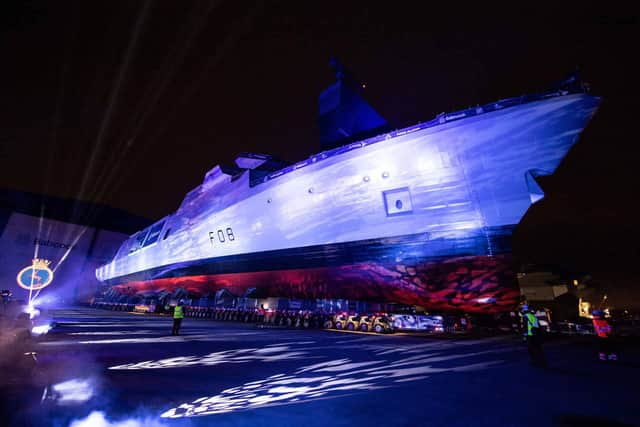

Higher than expected rework levels during the outfitting and commissioning phase resulted in the increases. This involved changes to the design of the ships, the company said. An engineering maturity review has to be conducted, with financial estimates having to be updated to cover the production costs of material and personnel, and “an increased programme risk contingency”.
The Ministry of Defence (MoD) has been approached to determine whether these costs will be passed onto the taxpayer, or contained within Babcock. It has been revealed that the contract for the frigates is on a firm-fixed pricing basis, which means the defence firm is responsible for cost overruns due to delays or other issues. The £140m figure will not be charged to the taxpayer.
An MoD spokesperson said: “The Type 31 programme is providing world class ship building in Rosyth, with four out of the five ships in advanced stages of build. The programme is sustaining 1250 jobs for Scottish shipbuilding and is an international export success.”
“Isn’t ideal”
The cost overrun will have consequences on the Scottish shipbuilder itself. Russ Mould, investment director at AJ Bell, the share price shrugged off the cost rise, but people will be keeping their beady eyes on the company for any potential delays.
He told The News: “They’ve admitted there’s a problem and have the situation under control, and they’re treating it as a one off. As long as this is the case, and the cost overruns don’t continue, investors will be prepared to give them a bit of slack, especially since the problem has been known for a while.
“The underlying business seems ok and the backlog is strong. The company seems sufficiently confident in the future to return a further £200m worth of cash to its shareholders. The shares came down by a third this year, but from an all-time high. It clearly isn’t ideal and clearly isn’t where the company wants to be with having a problematic contract on its hands.
“The problems were spotted later than normal, so they will argue they’ve got everything in hand. If that doesn’t prove to be the case, there will be stiff questions asked. With the new Chief Executive coming in June, his first job is to make sure that £140m is enough.”
What is the timeline for the new Type 31 frigates?
Five versatile warships are being built in an effort to replace some of their aging Type 23 counterparts. HMS Venturer, Active, Formidable, Bulldog, and Campbelltown, will be tasked with conducting maritime security patrols, intelligence gathering exercises, anti-piracy and drug smuggling operations, disaster relief efforts, and other tasks. They will be equipped with 57mm main gun, 40mm secondary guns, Sea Ceptor air-defence missiles, planned 32-cell Mk41 vertical launch systems, and subsequent equipment.
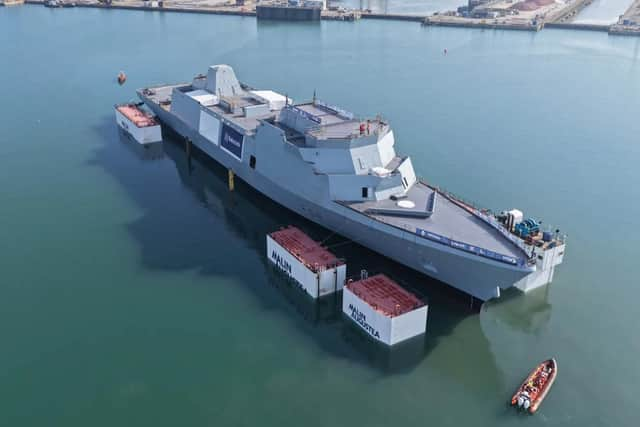
HMS Venturer is scheduled to be ready for operations by the end of the decade. HMS Active was floated off on March 21 and will undergo further outfitting work before she’s tested and commissioned. The keel was laid for HMS Formidable in December 2025, with the steel being cut on HMS Bulldog.
Mr Bell said Babcock’s future could be rocked by governments looking to a more modern style of warfare, focusing on drones instead of deploying larger pieces of equipment. He added that financial markets are wrestling with how defence budgets will be funded, and what the next ten years will look like following the publication of the Defence Investment Plan - delayed since the autumn of last year.
“The war in the Middle East and in Ukraine is not being fought with great big lumps of metal on land, in the sea, or in the air, but drones have been leading the charge in many ways,” he added. “They’re smaller, cheaper, and seemingly equally effective if not more so. An American friend told me he wants to know how the EU and the UK will build all of these bits of metal with money they don’t have, with recruits they don’t have, and for equipment they might not need given the way wars are being fought now.”