
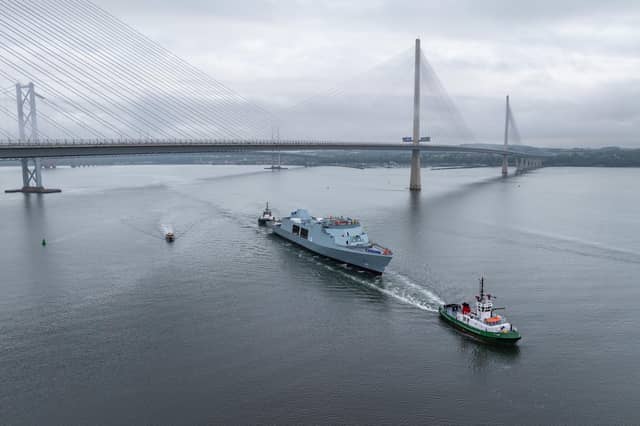


The National Infrastructure & Service Transformation Authority Annual Report 24-25, published this year, highlighted the situation of many military projects. Each programme is given a Green, Amber, or Red grading.
Each colour determines - as of the time when the grades were finalised - if the scheme is likely to be completed on time and to its allocated financial budget. Some programmes are classed as exempt for national security reasons.
Green means the project is likely to be completed on time and to budget. The Amber Category means that successful delivery is feasible, but significant issues exist which require managed attention and action. Problems are considered resolvable if they are addressed promptly.
The Red Category means that a programme has major issues over schedule, budgets, and quality - usually meaning that a scheme’s successful delivery needs re-scoping.
Responding to several projects being given Amber or Red grades, defence minister Luke Pollard said in a parliamentary written question: “Delivery Confidence Assessments reflect that moment in time and will change throughout a programme's lifecycle.
“An assessment of Red does not mean that the programme is undeliverable, but that there are management interventions required as a priority in order to increase the likelihood of being able to deliver to approved time, performance and cost. The National Armaments Director holds all the levers of procurement, enabling the necessary interventions to be applied in support of programmes assessed as Red.”
Out of a total of 45 MoD projects spread across the Royal Navy, Army, and RAF, three were categorised as three Green, 27 Amber, and 10 Red. This list includes the 17 programmes which bring new capabilities to the Royal Navy, or projects which affect capabilities such as the F-35 fighter jets.
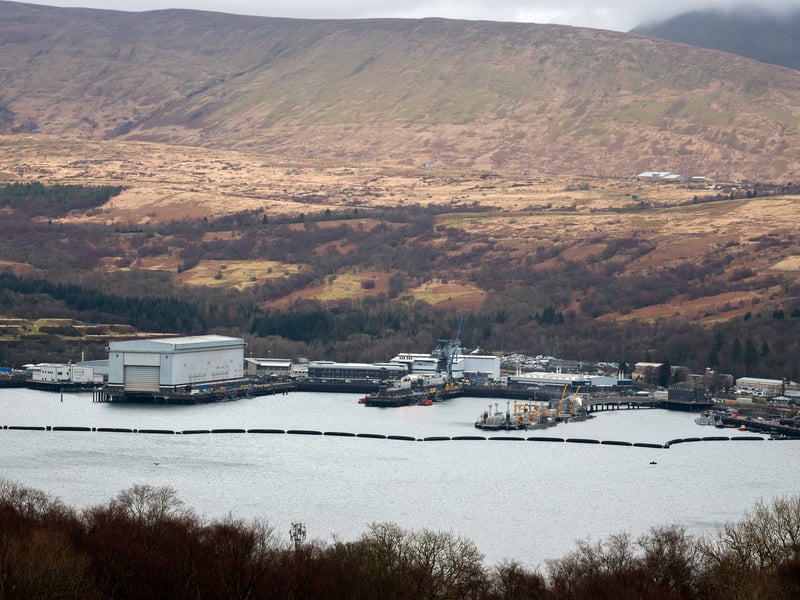
9. HMNB Clyde - Amber
The HMNB Clyde Infrastructure Programme has been established to manage the design, delivery and transition into operational use of new build and updated infrastructure facilities at HMNB Clyde in order to: enable the continued safe and secure operation of submarines, support the arrival of the next generation Dreadnought Ship Submersible Ballistic Nuclear(SSBN) Submarines, and create a single submarine centre of specialisation. With an estimated budget of £1.8bn, it is a programme of strategic national importance that is critical to sustaining Continuous At Sea Deterrence (CASD), and the safe, sustainable and cost effective operation of the Submarine Force. The end state of the programme will be “An integrated submarine operating base at Clyde, supporting a Submarine Force that is safe, secure, sustainable and resilient, and ready to excel in operations out to 2067”. | Jeff J Mitchell/Getty Images
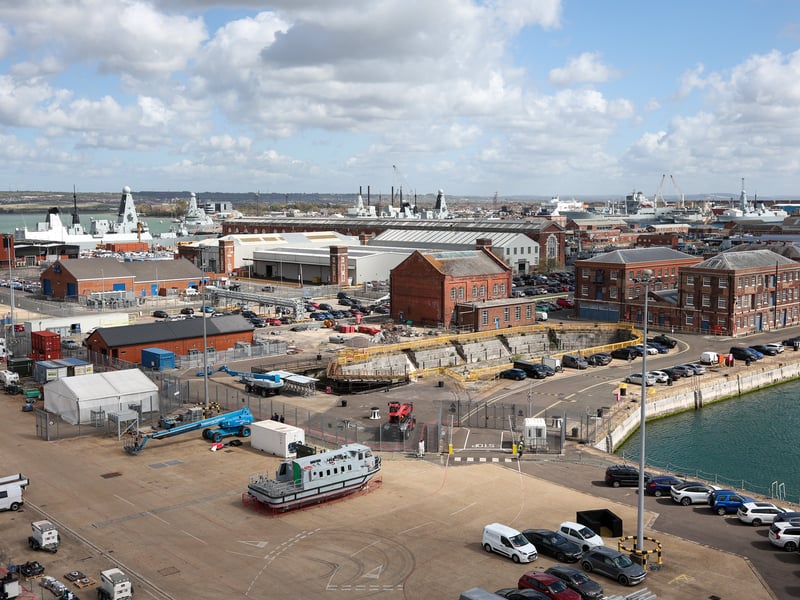
10. Naval Support Integrated Global Network (NSIGN) - Amber
The Naval Support Integrated Global Network (NSIGN) is the re-provision of the services contracted through Future Maritime Support Programme, specifically Ship and Submarine engineering and key Naval Base enablers. NSIGN consists of three projects – Ships Support, Submarine Support and Naval Bases. Whilst NSIGN will continue to develop the market facing transformation (a combination of single source and competition) it will also utilise Defence frameworks wherever possible, expand the scope for Ships to align the complex and non-complex, provide choice for how the Royal Navy will operate in the future, and look at scope boundaries/opportunities where NSIGN could deliver more effectively. The end date is March 22, 2030. | Chris Moorhouse (160425-)
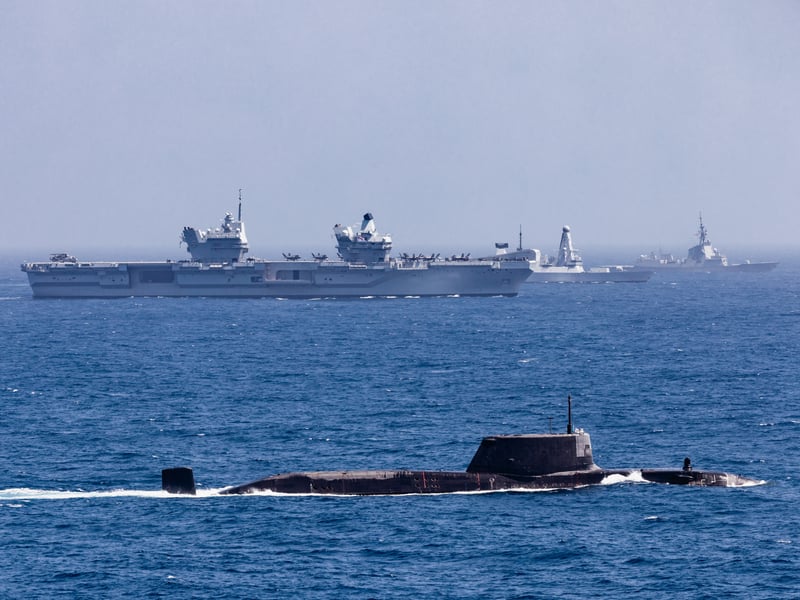
11. Submersible Ship Nuclear Aukus - Amber
SSN-AUKUS is a new class of nuclear-powered, conventionally armed attack submarine being developed in partnership with the US and Australia for the Royal Navy and Royal Australian Navy. The design and manufacturing process will be a complex, multi-decade undertaking, creating thousands of jobs across the UK. Construction of the UK’s submarines will take place principally at BAE Systems’ Barrow shipyard, with the manufacture of the next generation of nuclear reactors, including reactors for Australia’s SSN-AUKUS submarines, taking place at Rolls-Royce Submarines Ltd in Raynesway. SSN-AUKUS will enable deeper information and technology sharing and closer integration of security and defence-related science and technology, including propulsion plant systems, common vertical launch systems and conventional weapons from the US. They will be operational from the late 2030s, replacing the current SSN Astute Class. | Royal Navy
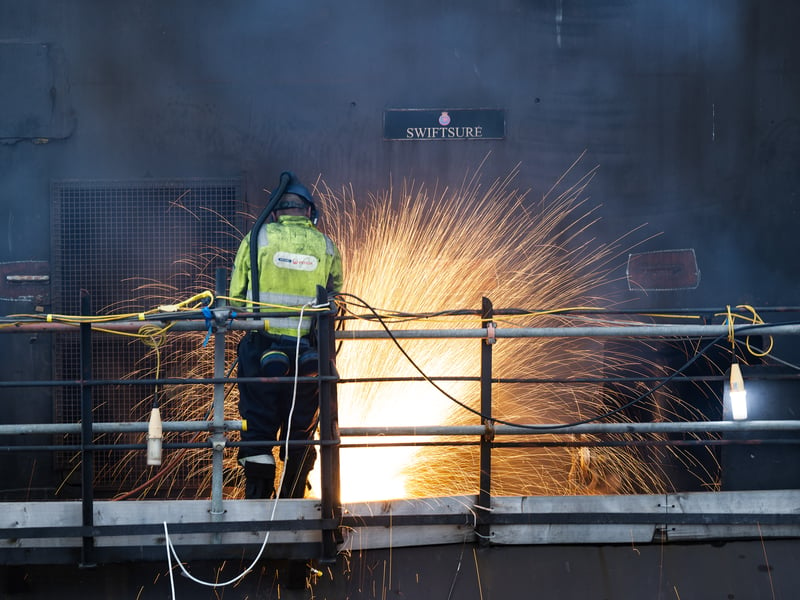
12. Submarine Dismantling Project - Amber
The Submarine Dismantling Project covers the preparation and execution of the safe and secure dismantling of the first de-fueled and decommissioned Royal Navy submarine, HMS Swiftsure, in Rosyth, by 2026. The whole life cost is just over £400m. | Contributed