


The National Infrastructure & Service Transformation Authority Annual Report 24-25, published this year, highlighted the situation of many military projects. Each programme is given a Green, Amber, or Red grading.
Each colour determines - as of the time when the grades were finalised - if the scheme is likely to be completed on time and to its allocated financial budget. Some programmes are classed as exempt for national security reasons.
Green means the project is likely to be completed on time and to budget. The Amber Category means that successful delivery is feasible, but significant issues exist which require managed attention and action. Problems are considered resolvable if they are addressed promptly.
The Red Category means that a programme has major issues over schedule, budgets, and quality - usually meaning that a scheme’s successful delivery needs re-scoping.
Responding to several projects being given Amber or Red grades, defence minister Luke Pollard said in a parliamentary written question: “Delivery Confidence Assessments reflect that moment in time and will change throughout a programme's lifecycle.
“An assessment of Red does not mean that the programme is undeliverable, but that there are management interventions required as a priority in order to increase the likelihood of being able to deliver to approved time, performance and cost. The National Armaments Director holds all the levers of procurement, enabling the necessary interventions to be applied in support of programmes assessed as Red.”
Out of a total of 45 MoD projects spread across the Royal Navy, Army, and RAF, three were categorised as three Green, 27 Amber, and 10 Red. This list includes the 17 programmes which bring new capabilities to the Royal Navy, or projects which affect capabilities such as the F-35 fighter jets.
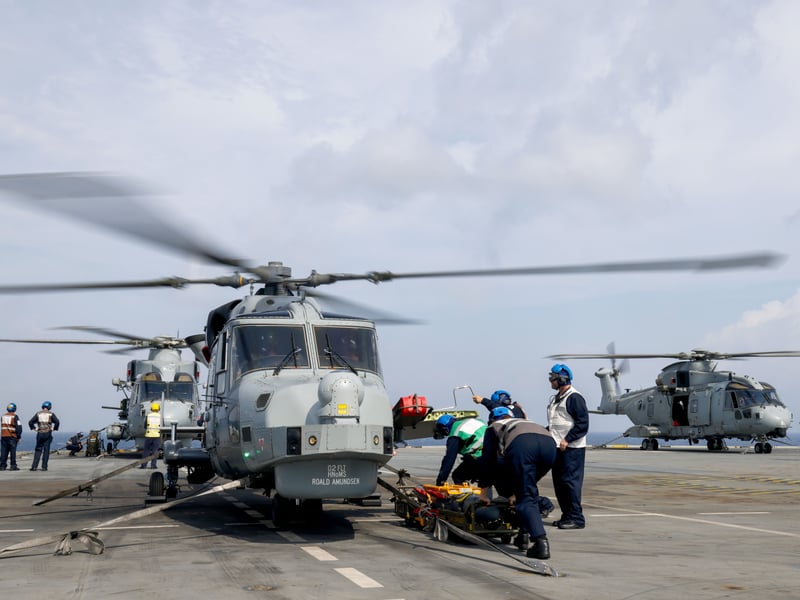
5. Sea Venom missile - Green
Future Anti-Surface Guided Weapon (FASGW) is required to enable the Wildcat maritime helicopter to deliver kinetic effect against; and defeat difficult targets in the complex littoral and maritime environments; that lie outside the capabilities of other anti-ship weapon systems. It’s due to be utilised by Royal Navy Wildcat helicopters. Starting in 2024, it has been given an end date of December 21, 2029. | PO Phot Rory Arnold
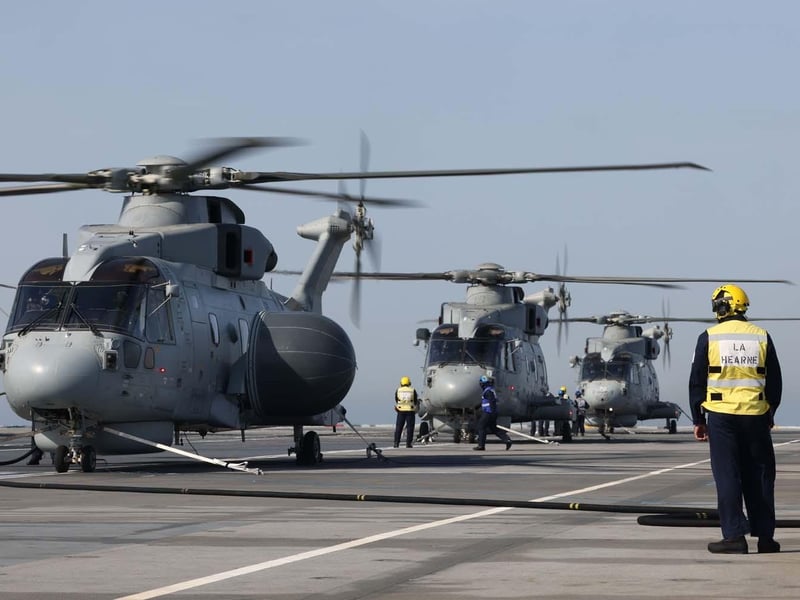
6. Crowsnest Programme - Green
The Crowsnest programme is a firm price contract to deliver an organic Airborne Surveillance and Control (ASaC) capability as role fit to the Merlin Mark 2 helicopter. By delivering concurrent Land, Sea and Air surveillance and control for Carrier Strike, Littoral Manoeuvre and Land, it will provide force protection, intelligence and support to strike assets. It is part of the Carrier Enabled Power Projection programme with Queen Elizabeth-class Carriers and the F-35B Lightning II.The whole life cost is just over £507m, and was fully deployed this year. | LPhot Chris Sellars
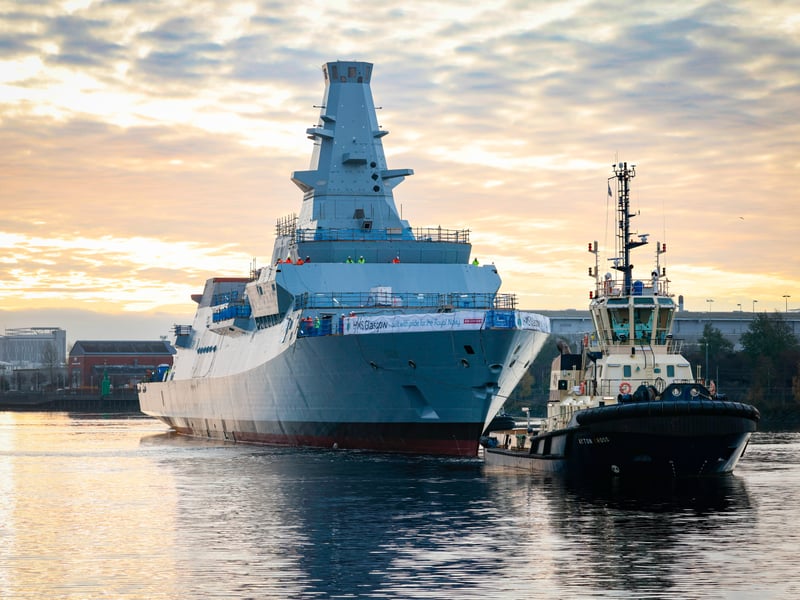
7. Future Cruise Anti Ship Weapon (FCASW) - Amber
This programme aims to achieve delivery of a next generation complex weapon for the UK to meet the RAF’s Selective Precision Effect At Range Capability 5 (SPEAR 5) and the Royal Navy’s Future Offensive Surface Warfare (FOSuW) requirements. In doing so it is the cornerstone of UK / French bilateral cooperation as part of the ‘Lancaster House Treaty’ and supports UK Freedom of Action, Operational Advantage, prosperity and critical UK industrial capability in the complex weapons arena. The FOSuW will arm the upcoming Type 26 and 31 frigates. The project has an end date of 2043. | Royal Navy
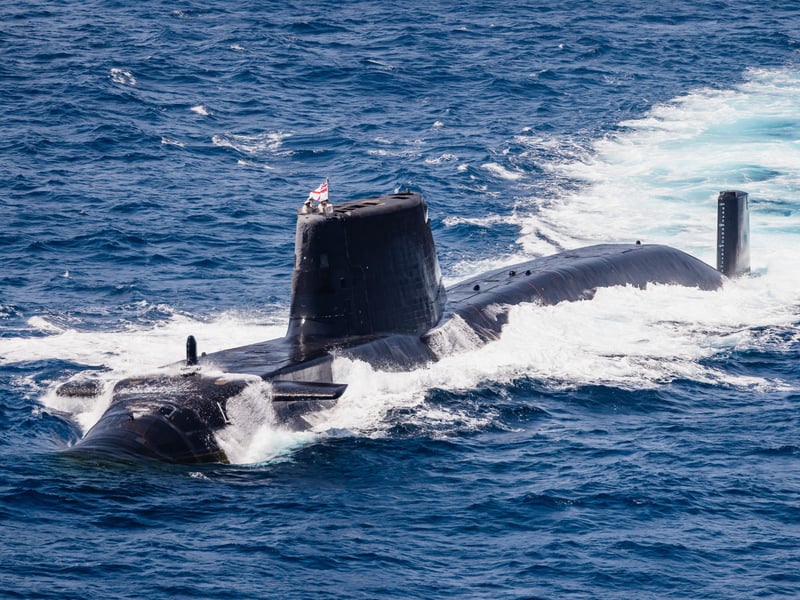
8. Astute-class submarines - Amber
The project aims to deliver seven Astute-class submarines within approved performance, cost and time parameters, while actively contributing to the sustainment of the UK submarine design and manufacturing capability. The whole life cost of the programme currently stands at £11.571bn. | Royal Navy