
New "future patrol ship" could join Royal Navy fleet with MoD "developing options" for Arctic vessel

A new patrol ship could be joining the Royal Navy fleet as the government continue to develop options for an Arctic vessel.
The Ministry of Defence (MoD) has confirmed that capabilities for a future ice patrol ship is currently in the works. Minister for defence readiness and industry, Luke Pollard, confirmed the development when responding to a parliamentary written question from Reform MP Andrew Rosindell.
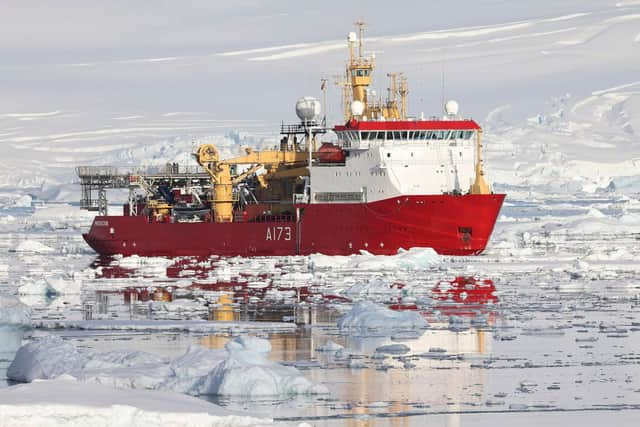

“The Ministry of Defence remains committed to supporting the UK's sovereign and wider interests in the Antarctic,” he said. “HMS Protector routinely deploys to the Antarctic Peninsula supporting the UK's responsibilities to the Antarctic Treaty and the British Antarctic Territory.
“To deliver the vision of the Strategic Defence Review (SDR), we are developing options through the Defence Investment Plan for future Ice Patrol Ship capability. These options will consider requirements for the Antarctic, but also encompass the requirements for Arctic capabilities which the SDR identified as a region of increasing competition. These options will include cost and command factors.”
The Strategic Defence Review, published in June 2025, set out plans for the Royal Navy to focus many of its ships and capabilities in the North Atlantic and High North. As part of the Atlantic Bastion concept, conventional warships will patrol the area alongside other autonomous systems. This is in response to a growing threat from Russian submarines and shadow fleet vessels, particularly to undersea cables.
HMS Protector, a Royal Navy ice patrol ship, has been part of the fleet since 2011. She regularly patrols the Antarctic Peninsula. The move to procure a new ship was initially announced last summer.
In a separate response, Mr Pollard said the ship also conducts hydrographic surveys in Antarctic waters. “The difficulties of gaining high quality data in such a remote and environmentally challenging region are significant and the season for data collection is short,” he added. “Therefore, there is strong cross-governmental coordination to ensure more frequently visited areas of the British Antarctic Territory are prioritised.”