
Royal Navy: Deadly DragonFire laser weapon project for Type 45 destroyers bolstered in massive £1.5bn MoD deal

Intense development of a deadly laser weapon for Royal Navy warships has been bolstered by a massive procurement contract.
The Ministry of Defence has confirmed a five-year £1.5bn contract extension testing, trialling, training and evaluating defence equipment at 16 sites. This includes missile firings, test pilot training and delivering live-threat scenarios, with British defence firm QinetiQ securing the deal.
The agreement has supported key moments for UK capabilities, including the first firing of high-power laser directed energy weapon DragonFire, as well as first launch of a ballistic rocket into space from the UK.


Defence secretary John Healey said: “Rigorously tested equipment and the trialling of emerging technologies are key to ensuring our Armed Forces are using combat-ready capabilities on the frontline. The contract will help keep Britain secure at home and strong abroad, as we drive forward innovation to bolster our national security and support skilled jobs across the UK.
“With hundreds of British businesses supported by this investment through QinetiQ’s supply chain, we are demonstrating how defence is an engine for growth across the UK, and delivering on our Plan for Change.”
What impact will the new £1.5bn contract have?
The contract will sustain 1,200 jobs across the UK. This investment supports a supply chain involving 825 companies, including 590 small-to-medium sized enterprises. As previously reported in The News, the government is prioritising British firms for new contracts as part of its Defence Industrial Strategy.
Under the remit of the deal, it requires equipment for the armed forces to remain combat ready and support the delivery of future capabilities. QinetiQ will invest in modernising the UK’s equipment testing capabilities to keep pace with operational needs.
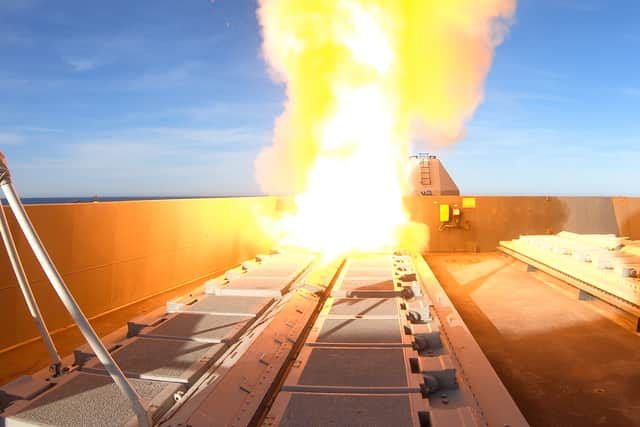
The contract will also support around 30 early careers professionals, providing development opportunities such as digital training in modelling and simulation for engineers. This month, the firm hosted Exercise Formidable Shield, where HMS Dragon shot a supersonic missile using her Sea Viper system.
Group Chief Executive Officer Steve Wadey said: “Through the LTPA, we play a vital role helping to protect and enhance the UK’s defence and security. The extension of our partnership with MOD enables us to continue investing to deliver the transformational change in test and evaluation that’s required to ensure our armed forces have operational advantage over disruptive technologies.
“We’re seeing increased demand for our services from NATO countries and this LTPA extension positions the UK as a leading centre for T3E, and facilitates the delivery of major equipment platforms as well as future upgrade programmes.”