
Royal Navy: Billions being ploughed into advanced drones and DragonFire Type 45 destroyer laser weapon system

Billions of pounds is being invested into producing laser weapon technology and drones.
A total of £5bn is being set aside as part of the Strategic Defence Review (SDR) published yesterday (June 2). More than £4bn will be allocated towards autonomous systems, with nearly £1bn into Directed Energy Weapons (DEW) this parliament.
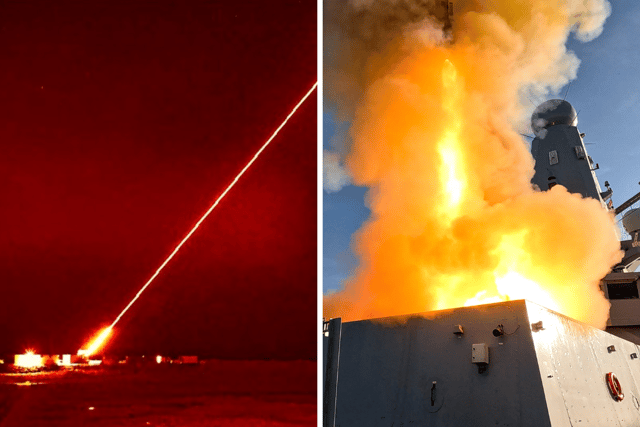
This includes the DragonFire system, which is being fitted to all of the Royal Navy’s Type 45 destroyers: it reportedly has the ability to hit a £1 coin from a mile away. The first ship is due to be fitted with the weapon in 2027.

Defence secretary John Healey said: “These investments will mean the most significant advance in UK defence technology in decades. We will ensure our Armed Forces have the cutting-edge capabilities they need to meet the challenges of a rapidly changing world.
“We are delivering the Strategic Defence Review’s vision to put the UK at the leading edge of innovation in NATO, by backing British industry and fast-tracking the kit of the future into the hands of frontline troops. This government’s Plan for Change will harness the benefits of technology, create hundreds of new jobs and make defence a powerful engine for economic growth.”
The investment is set to create 300 high-skilled jobs across the UK. SDR officials recommend a priority should be for force transformation towards autonomy - something the Royal Navy is already pressing on with by phasing out minehunter vessels for un-crewed vessels. The review said un-crewed and autonomous systems must be incorporated in high numbers over the next five years. Funding should also be directed towards DEW capabilities.
The MoD said: “The new DEW capabilities will give the UK an edge, creating low cost and sustainable alternatives to missiles to shoot down targets, such as drones, at the speed of light, reduce collateral damage and have a low-cost per shot, reducing reliance on expensive ammunition. The systems will be tailored to the conditions in which they will operate - whether at sea, on land, or in the air – and will work alongside crewed assets, such as current and future fighter jets.”
A new drone centre is set to be established to test small un-crewed air systems, which will be used across the armed forces. It’s hoped the centre will speed up the time it takes for the technology to hit the frontline.