
"Flourishing" marine life being restored as Royal Navy supports scientists - mesmerising footage captured

Captivating footage shows marine life in the Solent is “flourishing” after an oyster reef was developed.
Portsmouth-based divers captured what the reef looks like in the River Hamble, with conservationists working hard to restore the habitat. Sailors themselves have been nurturing oysters in their dedicated garden at HMS Excellent, before being transferred back to sea.
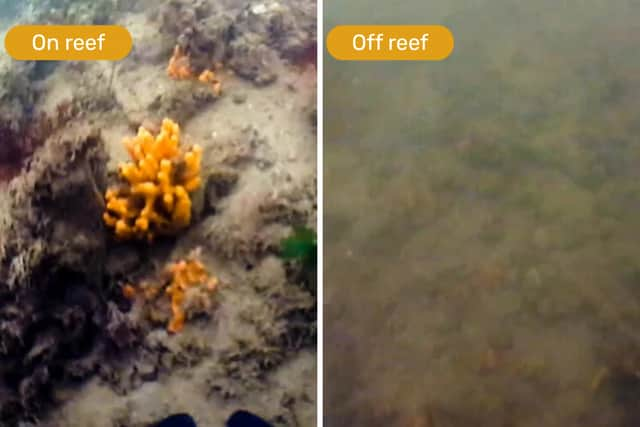

The Solent Seascape Project, led by the Blue Marine Foundation, has seen roughly 30,000 molluscs find a new home on the football-pitch-sized River Hamble reef. Restoration science manager Dr Luke Helmer said: “It was amazing to get eyes on the reef for the first time in such detail.
“We are very grateful for the Royal Navy’s support in this endeavour. It was a nice surprise, observing how quickly the reef community has established and is now flourishing.”
Divers from the Royal Navy’s Diving & Threat Exploitation Group (DTXG) captured the first ever continuous footage of the reef, revealing a vibrant underwater habitat and confirming that oysters have successfully settled, established, and begun forming a complex ecosystem. This has taken place over the past two years.

The initial operation took place over the now vibrant reef zone, as well as the surrounding seabed. Areas where oysters were placed in 2023 have been filled with life once again, compared to more barren surrounding areas.
Dr Helmer added: “It was great to see so many sponges, a big spider crab and quite a few fish species in a relatively short operation. It really highlights the importance of this habitat and why we need it back.”
The oysters in the Solent can filter up to 200 litres of water per day. This improves water quality, supports hundreds of marine species, and helps protect coastlines from erosion. From a Royal Navy perspective, the project helps train divers in varied and unique environments.
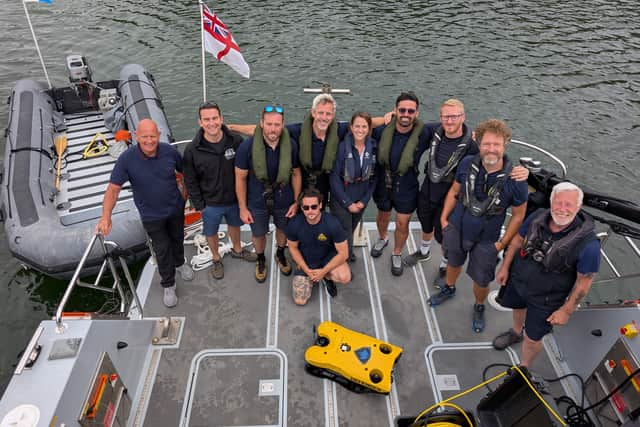
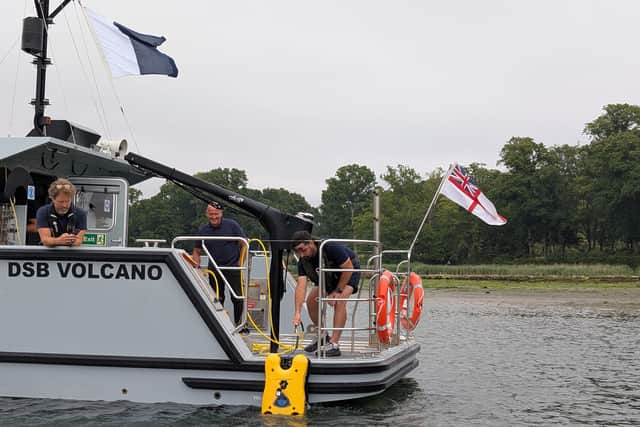
Leading Diver Dan ‘Boxy’ Box said: “It was a great opportunity for the team to support oyster restoration as part of the Solent Seascape Project. Not only are we supporting such an interesting project which has huge impacts in protecting Britain’s waterways, it also allows our junior pilots the opportunity to gain valuable training with the underwater ROV which they can utilise in their core role as Mine Clearance Divers.”
The first phase of the River Hamble reef was created by placing 468 tonnes of gravel and shell over a quarter of a hectare of the riverbed. Roughly 15,000 oysters were initially introduced, with this number eventually doubling. Populations in the Solent decayed over the past two decades due to pollution and other factors.
Commander Rory Armstrong, DTXG Commanding Officer, said: “The Solent is our backyard for much of DTXG’s activity, and we take very seriously our environmental obligations. This collaboration with Solent Seascape is a great example of partnering with other members of the local maritime community and of the Royal Navy as a force for good in home waters.”