
"Step forward, but not far enough": Pledge to support women in Royal Navy, Army and RAF made after scandals

A pledge to support women across the armed forces and defence industry has been made in light of recent scandals.
The Women In Defence Charter was announced by the government and aims to build a more gender balanced environment. A total of 120 organisations - including the Royal Navy, Army, and RAF - have signed up to the pledge.
“The Ministry of Defence welcomes the initiative that recognises more needs to be done to enhance the gender balance in the sector,” the government body said on its website. “Organisations that sign up to this Charter are committing to be the very best at driving equity, inclusion and diversity within their organisations and providing fair opportunities for women to succeed at all levels. The Charter reflects the aspiration to see women represented and succeeding at all levels across the defence enterprise.”
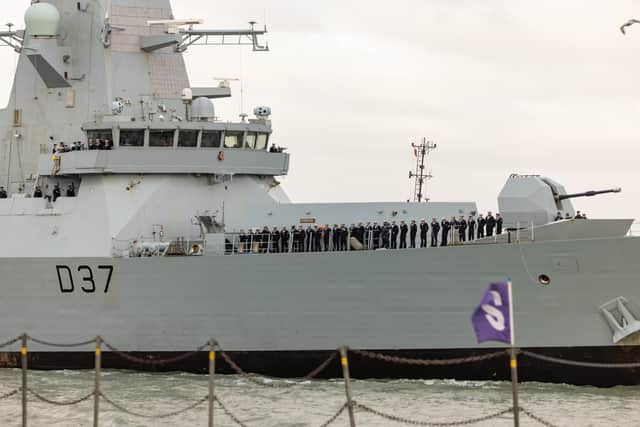

Misconduct and problems facing women
Aims of the charter involve creating an environment for women to thrive, and enhancing the individual and collective impact of females across defence while improving diversity of thought and decision making. Internal targets for gender balance across all levels need to be set by any organisation that signs up, with a focus on progressing women into senior roles being offering a suite of mid and low-tier roles.
The Strategic Defence Review (SDR) said the MoD needs to take a data-lead approach to understand and address “systemic behavioural, structural, and leadership problems that currently prevent people from progressing within, and delivering for, defence.”
Various scandals relating to the mistreatment of women misconduct have hit the armed forces in recent years. Following an investigation into sexual bullying and misogyny in the Royal Navy submarine service, 21 personnel were discharged. Former lieutenant Sophie Brook blew the whistle amid reports in the Daily Mail in 2022 of a “crush depth rape list”, in which women were ranked in the order they should be raped in a catastrophic event. It was described as a “constant campaign” of harassment.
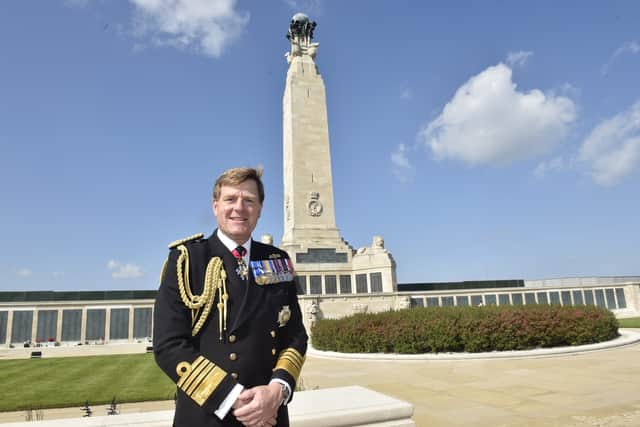
Former First Sea Lord Sir Ben Key was sacked in July following a consensual relationship with a female subordinate - against the code of conduct. The married father of three children lost his rank but kept his pension after he was found to have “fallen far short of values and standards expected of service personnel”.
Lieutenant Commander Martyn Mayger, former Commanding Officer of the Royal Navy ship HMS Tyne, was removed from his post in May and is currently under investigation following allegations of “unacceptable sexual behaviour”. The Army was deemed partly responsible for the death of Royal Artillery Gunner Jaysley Beck, who committed suicide following complaints of being sexually assaulted by a senior colleague at Thorney Island. This was among several incidents which were detailed at her inquest.

Ahmed Al‑Nahhas, Partner and Head of Military Claims at the law firm Bolt Burdon Kemp, welcomed the charter’s introduction and described it as a “step in the right direction”. “Servicewomen deserve to have their contribution recognised and their rights protected,” he added.
“However, I don’t think this Charter goes far enough and I have some real doubts about whether it will make things better for women in our Armed Forces. The Charter does not bind anyone or anything in a legal sense; it is a statement of intent only, which is hoped will be shared and respected by both the Ministry of Defence and other defence organisations.
“The MoD already has many well-drafted regulations which purport to support women in the workplace, including the Armed Forces Covenant. The problem has been that the way women have been treated has rarely met those standards and expectations.
“The MoD has persistently failed to deal with the cultural issues which have haunted and continues to haunt its ranks, including harrowing stories of sexual harassment, violence and discrimination. The reality is that Servicewomen are far more likely to have suffered sexual harassment, sexual violence and/or discrimination than their male peers. Until that reality changes, I think many Servicewomen will be watching carefully for results and positive change rather than relying on promises."
Currently, 12 per cent of the regular forces are women. The government body said the forces and defence companies must attract, recruit, and retain best people drawn from the broadest diversity of thought, skills and background. They added that this is critical to operational effectiveness.