
"Difficult transition" for Royal Navy laid bare by Chief of Defence Staff as Admiral outlines "tough problem"

Difficult challenges are facing the Royal Navy during a transition period for the force, the Chief of Defence Staff has said.
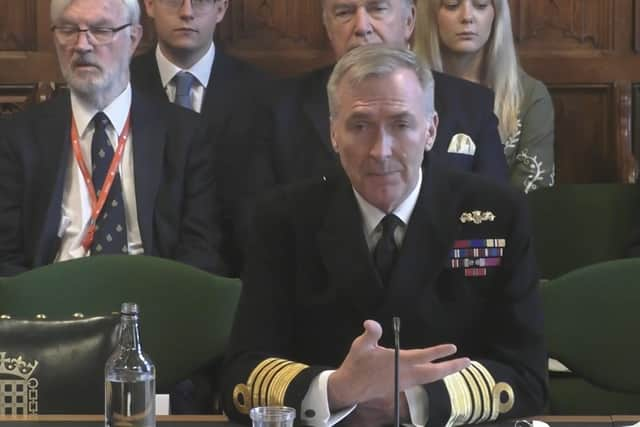
Admiral Sir Tony Radakin addressed the state of all three armed forces during a defence select committee meeting yesterday (June 10). He told politicians that although major investment is being made into producing new warships and submarines, there will be a major gap due to aging equipment.
“The Navy is halfway through its recapitalisation programme, and that feels quite tough,” he said. “You have frigates that are really old and coming to the end of their life. They’re due to be replaced. The replacements aren’t quite ready, and so you’re in a difficult transition. The good news is there are 21 or 22 ships and submarines either in build or on order. That is going in the right direction.”

What is being built and what is leaving?
Type 23 Duke-class frigates and different classes of minehunter are some of the ships being phased out. One of them, HMS Northumberland, was decommissioned last year after she was branded as unseaworthy. These are being replaced by Type 31 Inspiration-class frigates, and and Type 26 City-class ships.
The former will be part of the fleet in the early 2030s, with the first of the submarine-hunting frigates being ready by 2028. New capabilities outlined in the Strategic Defence Review - including 12 new nuclear attack submarines - are not expected to be rolled out until the mid-2030s at the earliest.
Sir Radakin said the RAF is going from strength to strength due to new capabilities being built, but the Army is at the start of the ten year journey to restore the force.
He added that armed forces “enablers” such as logistics, medical, comms and cyber, need vital investment. The Admiral was asked if enough defence funding was outlined in the SDR, given that Nato is expected to ask members to raise total defence spending to five per cent of GDP.
He said: “We continue with the existing programme and we make some progress in the 2020s, but the really significant progress is in the 2030s when we’re heading to three per cent.”