
'Successful' landmark operation as spectacular video footage shows Royal Navy helicopters flying with drones

Trials with aircraft and un-crewed systems spanned an area of more than 200 miles
Sophisticated drones were trialled alongside Royal Navy helicopters for the first time in a landmark trial.
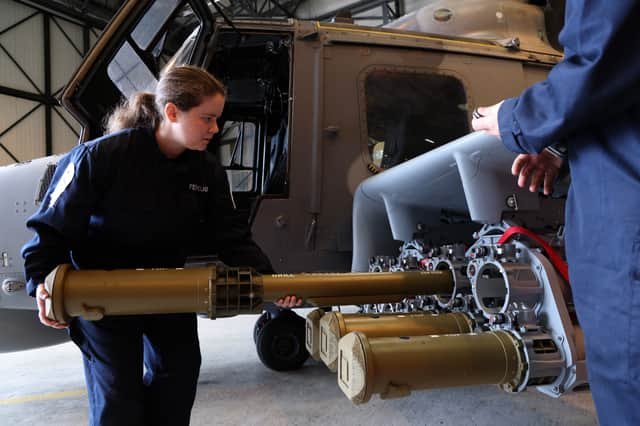
Wildcat aircraft and autonomous systems conducted various tests across southern England - spanning more than 200 miles. Exercise Dragon Rider took place in an area from the Lizard peninsula to Somerset and Salisbury Plain.
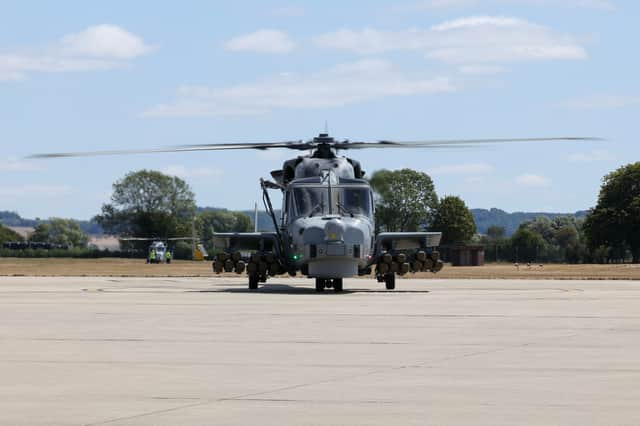

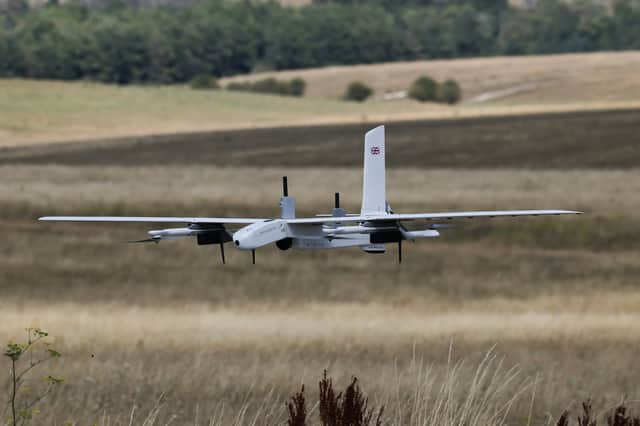
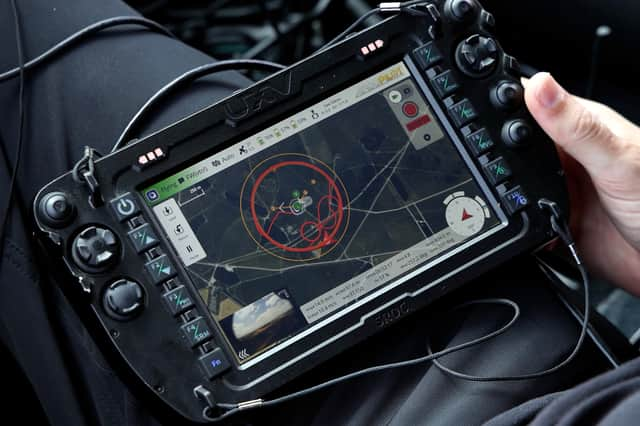
Spectacular video footage showed a specially modified Wildcat aircraft, fitted with additional sensors, relaying data from multiple drones flying over southern England to operators in a central hub at Yeovilton. The exercise showed how the drones could be used across vastly extended ranges, where they can soon operate ahead of a ship or task group.
Participants interacted with real-time video feeds from multiple autonomous systems and practiced identifying targets whilst sending secure messages across the network. Operators took charge of the drones over the network and proved that systems could be remote controlled over long distances.
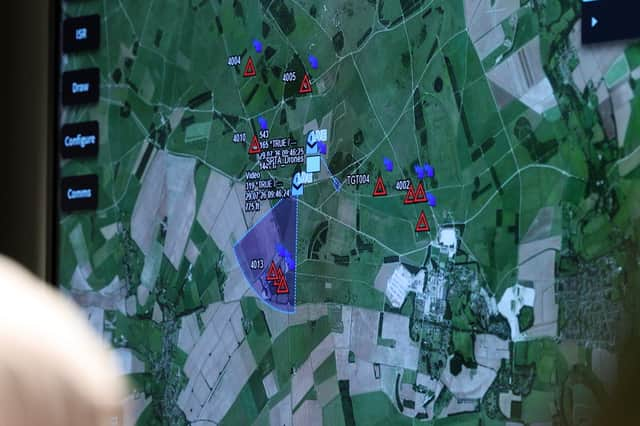
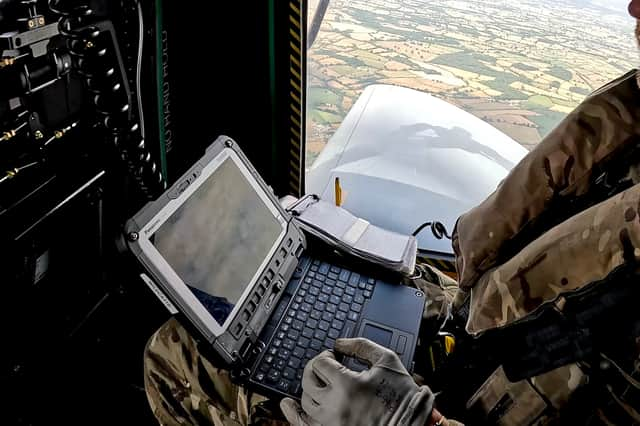
A new mesh communication system - known as a Mobile Ad-hoc Network, or MANET for short - was also trialled, a communications system which was battle-tested in Ukraine. It has the ability to outfox electronic jammers by using any transmitter on the network to make sure the data reaches its target.
Lieutenant Commander Rhydian Edwards, who has been leading the drive to integrate drone tech with the Wildcat helicopters, said: “The trial proved that this low-cost system is ready for the Royal Navy to use right now. This successful test is a major step forward in keeping human crews safer by letting drones handle dangerous tasks further ahead of the main military force, whilst also greatly increasing the number of units we can field at the same time.”
The trials were conducted alongside a number of small/medium-sized UK, US and Norwegian companies at the leading edge of drone and network-enabled technologies. The next step is to introduce satellite communications into the system which will ultimately allow commanders to securely control fleets of drones anywhere in the world from a safe location back home.