
'Present clear and credible plans': Nato chief challenges Starmer to hike defence spending before deadline

Long term goals had previously been accepted by the government, but the recent defence minister resignations have cast doubt on if it’s achievable
The UK and Nato allies have been challenged to present a “credible” plan for hiking military spending before an upcoming summit.
Nato Chief Mark Rutte called on Nato allies to “present clear, concrete and credible plans” for how they are raising defence spending to five per cent of gross domestic product (GDP) by 2035 before this year’s summit in Ankara, Turkey. The event is due to take place on July 7.
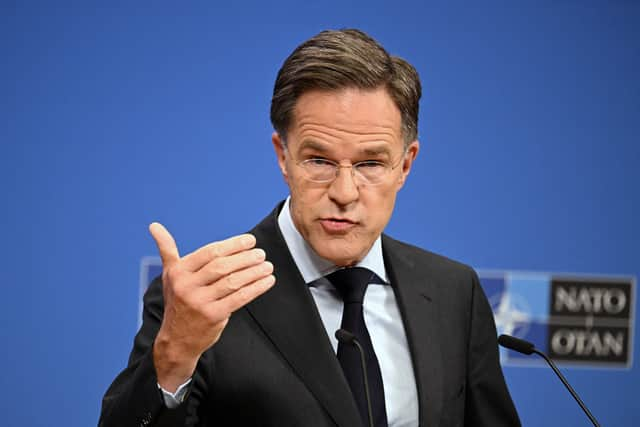

The commitment is split into a 3.5 per cent GDP core defence spending commitment, and a 1.5 per cent GDP commitment to wider resilience spending. Issuing the challenge to all Nato member states on June 17, he said: “Ahead of the summit in Ankara, allies will highlight how they’re delivering on commitments made in The Hague last year.
“Investing five per cent of GDP in defence by 2035. That’s what we agreed. So, I expect nations to present clear, concrete and credible plans to reach that goal. Ideally, well ahead of the agreed timeline. And many are already showing that they are doing exactly that.”
Prime minister Sir Keir Starmer previously pledged to meet this target, but recent developments regarding the Defence Investment Plan (Dip) has cast doubt over whether this can be achieved.
Defence secretary John Healey and defence minister Al Carns - former Royal Marine Commando - both resigned after the programme set out guidelines to only raise defence spending to 2.68 per cent of GDP by 2030. It would also only provide an extra £13.5bn of investment, far short of the £28bn over four years which defence officials said was necessary to transform the armed forces. Mr Healey outlined these details in his resignation letter.
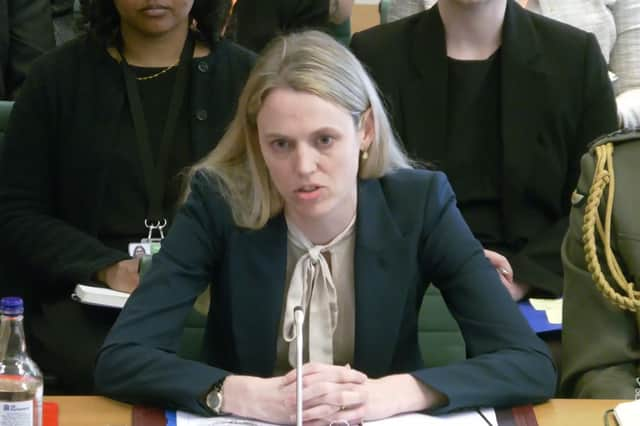
Defence minister Louise Sandher-Jones would not be drawn into saying whether the UK planned to present such a plan to Mr Rutte in the weeks ahead of the gathering. But she did tell reporters Britain will show Nato its “strong commitment” to defence by emphasising the Government had made the “biggest increase in defence spending in a very long time”.
Asked by broadcasters when Nato would receive the UK’s plan for a 3.5 per cent commitment, Ms Sandher-Jones said: “I would just say that we’re going to be walking into there and we’re going to be able to point to the record of what we’ve already done. It’s not just about talking the talk, it’s walking the walk.
“That’s over £270bn supporting all kinds of activity, whether it’s our at-sea nuclear deterrent or it’s training activity. That is a really, really strong commitment that we’re going to be taking in to show today about what we have done and delivered.”
Asked earlier by reporters why she could not put a timeline on Britain’s commitment to raise defence spending, Ms Sandher-Jones replied: “With respect, there’s this process that’s going on at the moment around the Dip to make sure that we meet the threats and meet the capability.
“Again, with my background, I’m really focused on the threats and the capability that what we’re talking about is what we need. As we’re going forwards, the Dip is a moment, and it’s really important that we get it right, and I know that everybody’s working hard to do that.”
Ms Sandher-Jones also declined to say whether she would resign if more cash for defence was not forthcoming, telling journalists her focus was to “make sure that we deliver for the men and women who are serving our country today”.
A warning was also issued during an International Relations and Defence Committee meeting on June 17. National armaments director Rupert Pearce told peers that cuts to Whitehall departments to fund the Dip - delayed since the autumn of last year - would be a “zero sum game” which was “a very difficult decision to make politically”. He added that the Dip being published so late was ‘regrettable’, and reducing spending in areas such as energy or transport investment “could come back to haunt us in defence”.
New secretary of state for defence Dan Jarvis has vowed to get the armed forces the funding they need. Sir Keir Starmer has refused to rule out tax hikes to fund defence spending. The Dip is due to be published before the Nato summit in Turkey.