
South Central Ambulance Service NHS Foundation Trust urges people to only call in an emergency as cold snap sees increase in 999 calls
The cold snap has seen a surge in 999 calls with one ambulance service urging people to only call if it is an emergency.
South Central Ambulance Service NHS Foundation Trust, which covers Hampshire, has seen a 20 per cent increase in calls to its 999 control room during the cold weather.
The increase is compared to Christmas week (December 22-28) when there 14,769 calls to 999. This went up to 17,469 calls between December 29 and January 4.
The trust is now urging people to only call in an emergency with wait times “significantly” longer for non-urgent cases as it prioritises the most sick and injured patients.
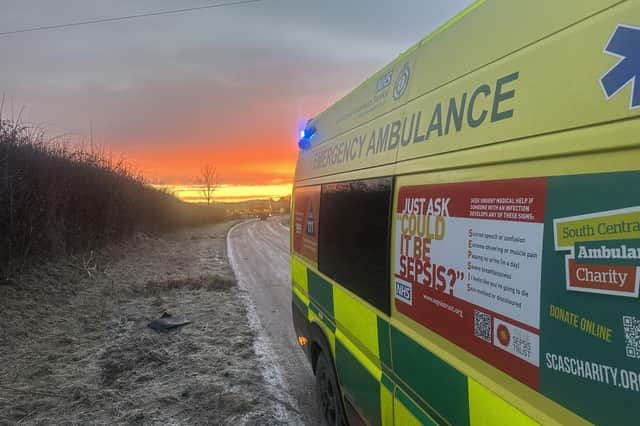

Kirsten Willis-Drewett, assistant director of operations for Thames Valley at SCAS, said: “Whilst we aim to respond to less urgent issues within two-three hours, unfortunately for some patients over the last week, that wait time has been significantly longer.
“I would urge people who can make their own way to hospital or an urgent treatment centre to do so. Arriving by ambulance doesn’t mean you get seen quicker than other patients, and a lift from a friend or a taxi may get you there sooner.
“If you or someone you’re with requires urgent, but not emergency help, please use 111.nhs.uk or call 111. Whichever route you take, you’ll just need to answer a few questions about your main symptoms to get the information and advice you need. This could be directing you to the most appropriate local urgent healthcare service, or a call back from a doctor, nurse or paramedic.”
The trust advises that 999 should only be called for a life-threatening or serious emergency, such as someone not breathing or unresponsive, severe blood loss, serious chest pains, symptoms of stroke, major injury or serious burns.