
This is why ‘eating your water’ could save you this heatwave, and more tips on how to survive extreme heat
With heatwaves sweeping the nation this summer, many will be taking to changing their routines to account for extreme heat.
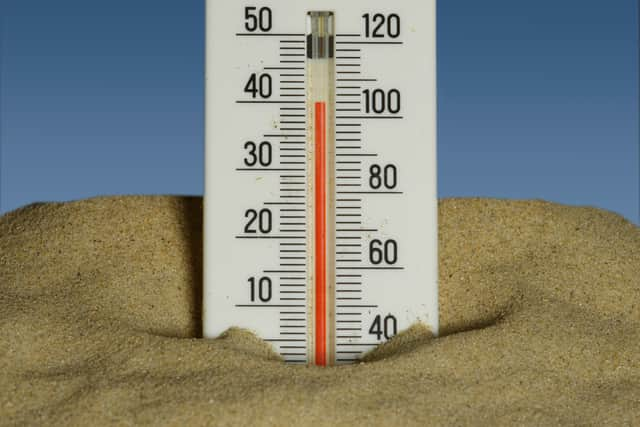

The experts at the hormone health clinic, Feel30, have discussed the idea of ‘heatwave lethargy’, and other heatwave dangers, and how to manage your routine in the best way to avoid issues.
The biological impact of thermoregulation
When the human body gets exposed to extreme temperatures, it works hard continuously. The heart pumps harder, blood vessels dilate, and sweat production increases by a huge amount to maintain a consistent healthy core temperature.
If you find yourself feeling lazy or a lack of motivation on particularly hot days, this may be why. All these things in hot weather will be working away in the background, potentially resulting in a higher rate of physical exhaustion.
Why you should EAT, not drink your water
Eating water-rich foods is important alongside drinking water because it offers a combined method of hydration and a big contribution to overall health. While drinking water is essential for staying hydrated, consuming water-rich foods provides additional benefits. Foods with high water content, such as fruits and vegetables, contribute to hydration while also delivering essential nutrients like vitamins and antioxidants. This combination not only supports overall well-being but also helps maintain healthy skin, aids digestion, and promotes a feeling of fullness.
In high heat especially, incorporating fruits and vegetables with high water content into your diet enhances the rebalancing of water in your system when your body is already working hard to cool you down. These foods contain molecules that help deliver the water they contain into cells easily. Examples of foods high in water content include cucumbers, watermelon, lettuce, and celery.
The importance of good sleep in a heatwave
Not having a source of overnight cooling can have severe effects. When nighttime temperatures stay high, the body can’t transition into the deep restorative sleep cycles required for optimal brain function.
Fragmented sleep leads to issues with attention span, memory retention, and emotional regulation. So if you decide to have a nap in the heat, or are particularly inactive during the day, keep this in mind for how it could affect your sleep late at night.
The neurological effects of a heatwave
Extreme heat and elevated body temperatures can have effects on the brain, specifically the prefrontal cortex, which is responsible for decision-making, planning, and impulse control.
Under extreme thermal stress, the brain will prioritize saving energy over problem-solving, and you may find yourself struggling during the day, even with sheer willpower and excessive caffeine consumption.
Don’t just wait until you’re thirsty to drink
Keeping yourself hydrated throughout the day is especially important in a heatwave, and while this may be common knowledge for some, many people still wait until they are thirsty to take a drink.
Treat hydration like fuel, plan fluid intake early in the day, and possibly incorporate electrolyte consumption into your day too.
Postpone high-effort tasks and personal goals until the peak passes
If you have plans for strict fitness regimes, deep-cleaning or important but complex personal goals, give yourself permission to pause during peak temperatures. Pushing through thermal stress on the body to get things done can make you severely exhausted, and very quickly, too.
If you can, move essential activities to the early morning hours, or if you can’t complete them before noon, wait until later in the evening.