
Learning good energy habits from a young age vital, research reveals


Adopting energy efficient habits during childhood could lead to savings of more than £16,500 across a person’s lifetime, proving it’s never too early to start planning for your future.
The figure was calculated by Energy Saving Trust on behalf of Smart Energy GB, which analysed children’s share of eight, age-aligned energy saving behaviours in the home. Examining each habit in more detail, the study considered when each behaviour is likely to be introduced across 5, 9, 13 and 16 years old, and the potential savings if the behaviours are continued over a lifetime.
The findings have shown that teaching small, energy efficient changes like turning off the TV if you’re doing something else (from age five), taking under four minute showers (from age nine), turning your bedroom radiator down before you go to school (from age 13) and only using a dishwasher on a full load (from age 16) could all add up to a lifetime saving sum of £16,500. This is equal to nearly ten years of energy bills (based on Ofgem estimated annual energy bills of £1,738), a new electric vehicle or university tuition for nearly two years.
Supporting research by Smart Energy GB found that 78% of British parents actively encourage the children in their household to adopt good energy habits through actions such as turning the lights off when there’s no one in the room (77%), air drying laundry instead of using a tumble dryer (35%) and unplugging appliances when not in use (53%).
Yet, it’s not only energy saving behaviours being encouraged. More widely, almost all parents (98%) say it’s important to teach their children about the environmental impact of their actions and encourage their kids to do so through eco-friendly habits like using less water (55%), recycling (77%) and reusing items rather than throwing them away (51%).
In fact, when it comes to teaching skills they may not learn at school, how to adopt good energy saving habits (24%) is seen by parents as one of the most important skills alongside how to cook (33%), stay safe online (32%) and change a tyre (8%). And it’s clear it’s going down well, as eight in 10 little ones say they like saving energy, finding it important (74%) and a fun challenge (21%).
While the positive impact of learning good energy habits is clear, it’s those who have a smart meter installed who are seeing the most benefits. Four out of five (82%) parents with smart meters say the in-home display has been key to making it easier to teach and help their children understand energy use. Being able to track their usage in near-real time means they can easily see the result of changing their habits, enabling a greater feeling of control over their energy bills (46%) and providing an opportunity to teach younger family members how much energy different actions use (33%).
Smart meters are installed at no extra cost by your energy supplier and provide short-term, as well as long-term benefits. Owners who say it has helped them to save money estimate that their smart meter has lowered their energy costs by an average of £176 per year. They also allow households to make the most of energy reward schemes, which encourage and reward customers for using energy at different times of the day.
When it comes to little energy savers, even though one in 10 (9%) kids admit they don’t always listen to the life lessons imparted by parents, 82% say that they try not to waste energy at home as they know it helps save money (82%) and it helps the environment (73%).
It’s not only parents inspiring the younger generations, but other famous faces – with 40% looking up to the likes of David Attenborough, Greta Thunberg (22%) and TV presenter Steve Backshall (22%).
Smart Energy GB’s Victoria Bacon said: “Managing energy is a valuable life skill and it’s great to see so many households encouraging the whole family to get involved in learning positive energy habits. The changes don’t have to be big to make an impact. Even small things, like using a smart meter and in-home display to track your energy use can add up to noticeable savings.”
Smart Energy GB has teamed up with maths teacher and broadcaster, Bobby Seagull to support the campaign.
Seagull added: “As a teacher, I see first-hand the importance of learning how your actions impact the world and people around you, whether in the classroom or at home. The positive things young people learn and adopt as everyday habits can have a major impact on our world, and all add up over a lifetime. It’s incredible to see how dedicated parents are when teaching their kids energy-saving skills and even better that there’s tools like smart meters around to help them.”
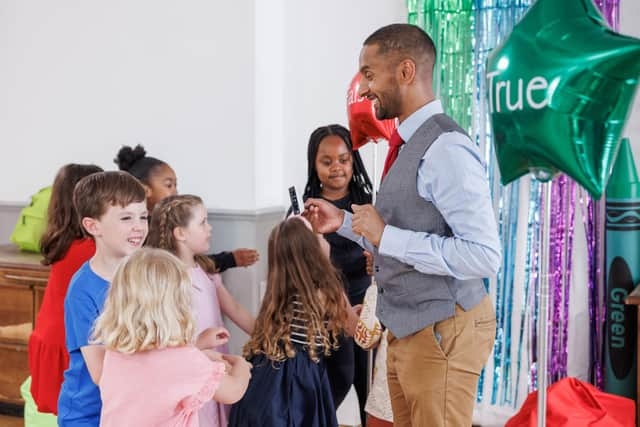
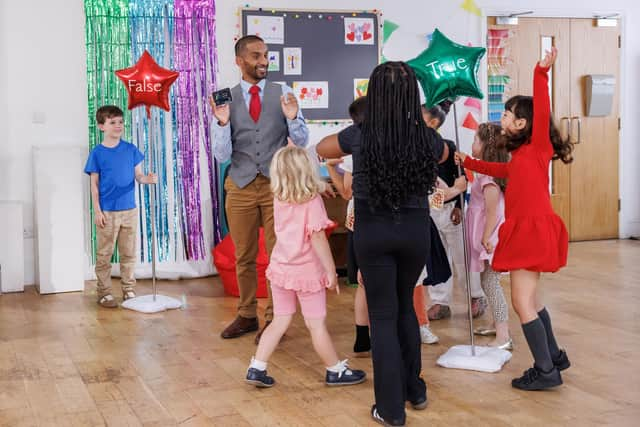
Working with Smart Energy GB, Bobby spoke to children in London to find out what they know about using energy at home and how putting good energy habits into practice can save them money in the future. Watch the video HERE.