

It has been 32 years since the most haunting and essential performance of the grunge era was captured on tape.
On November 18, 1993, Nirvana stepped onto the stage for MTV Unplugged in New York, delivering a session that famously defied the network's expectations and became the band's unintentional final testament.
Far from a greatest-hits acoustic recital, the atmosphere was dark, the song choices obscure, and the emotion raw, capturing the complicated soul of Kurt Cobain and the immense power of a band operating at their most vulnerable.
To mark this enduring anniversary, we are taking a deep dive into the stories behind that legendary night, pairing each with a piece of trivia from the taping and the subsequent events afterwards.
From the chilling request to decorate the stage "like a funeral" to the record-breaking price paid for Cobain's famous mohair cardigan, this curated look reveals the secrets behind a performance that forever changed the rock and roll landscape.
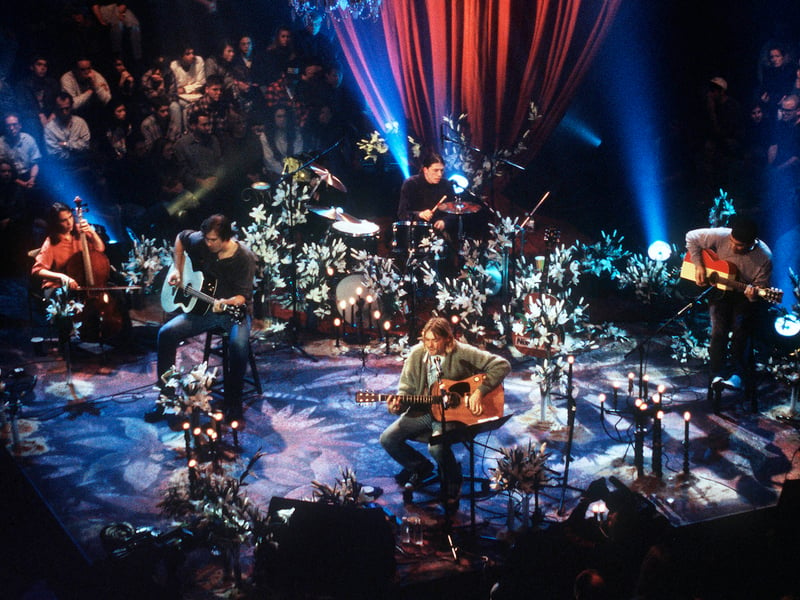
1. The Date and the Location
The performance was recorded on November 18, 1993, at Sony Music Studios in New York City. Despite the intimate setting, it would go on to become one of the most commercially successful and critically acclaimed live albums of all time. | Getty Images
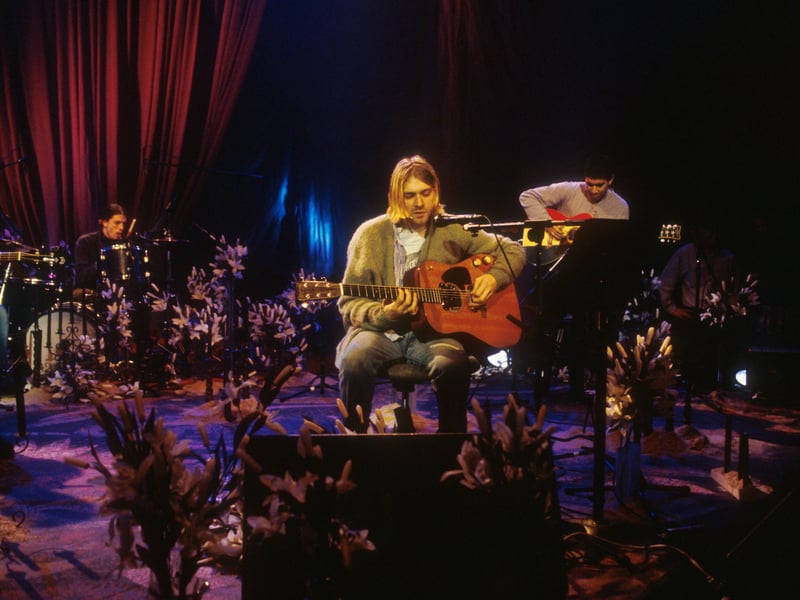
2. The Funeral Request
Kurt Cobain requested the stage be decorated with stargazer lilies, black candles, and a crystal chandelier. This dark, deliberate aesthetic starkly contrasted the usual bright, daytime atmosphere of the MTV Unplugged series. | Getty Images
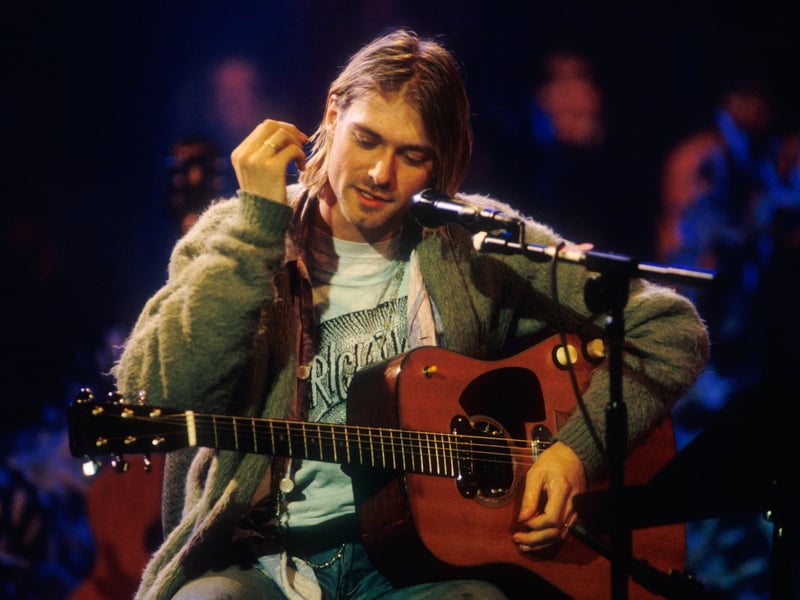
3. The Producer's Question
When a producer asked if he meant the set should look "like a funeral," Kurt replied, "Exactly." This chilling conversation highlighted the sombre, reflective tone Cobain intended for the now-iconic acoustic session. | Getty Images
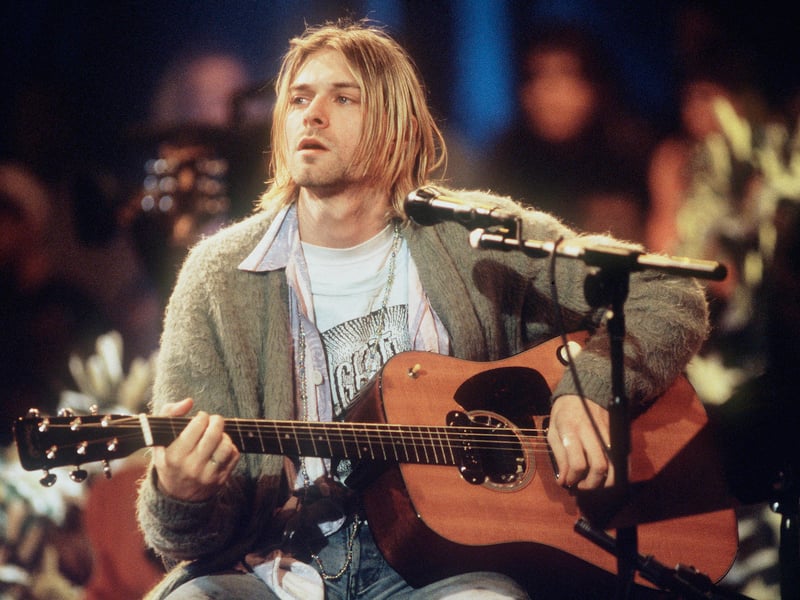
4. The Final Release
The album was the band's first release following Kurt Cobain’s death in April 1994. Its raw intimacy offered fans a deeply personal final farewell, transforming it into a definitive document of the band’s legacy. | Getty Images