


The best secrets in music aren't about who is behind the mask—they're about who is using a different name to break every rule they set for themselves.
How else can you explain why the world's biggest pop star would reinvent herself as Jo Calderone—a chain-smoking, male mechanic from Sicily—to star in her own music video and perform at the MTV VMAs? This bizarre 2011 gender-swap proved that even global superstars yearn to shed their image.
From pop titans trying out metal to country legends embracing alt-rock, music history is littered with alter-egos, from Aladdin Sane to The Cranes, being the name The Cure would use at times to perform secret shows.
We lift the veil on 15 artists who performed, recorded, and sometimes offended, all while hiding behind a different name - and in some cases, leading to rumours who they “really” were...
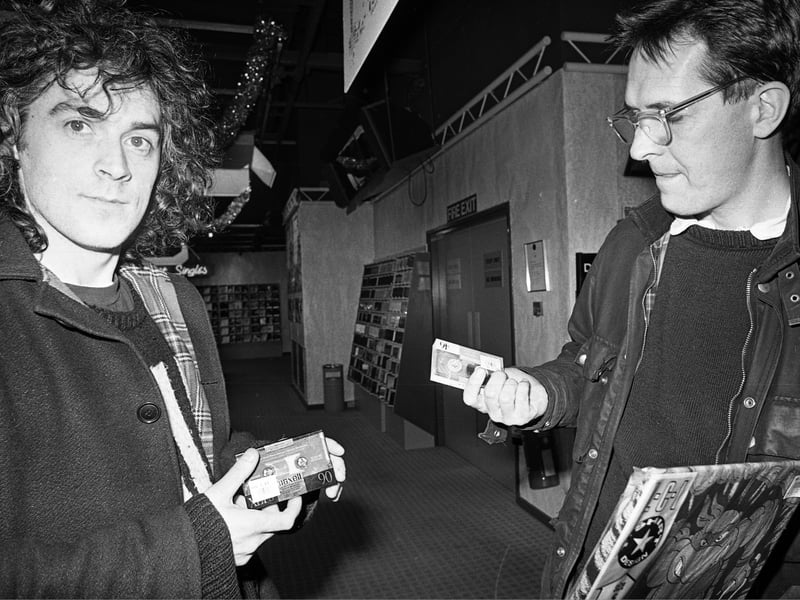
9. The Timelords / The JAMS
The electronic duo of The KLF (Bill Drummond and Jimmy Cauty) were masters of aliases. The JAMS (The Justified Ancients of Mu Mu) was their initial, sample-heavy name that first challenged music copyright law. The Timelords were their most successful novelty alias, responsible for the 1988 UK #1 hit, 'Doctorin' the Tardis'—a deliberately silly, smash-and-grab project designed solely to make money quickly. | Martyn Goodacre/Getty Images
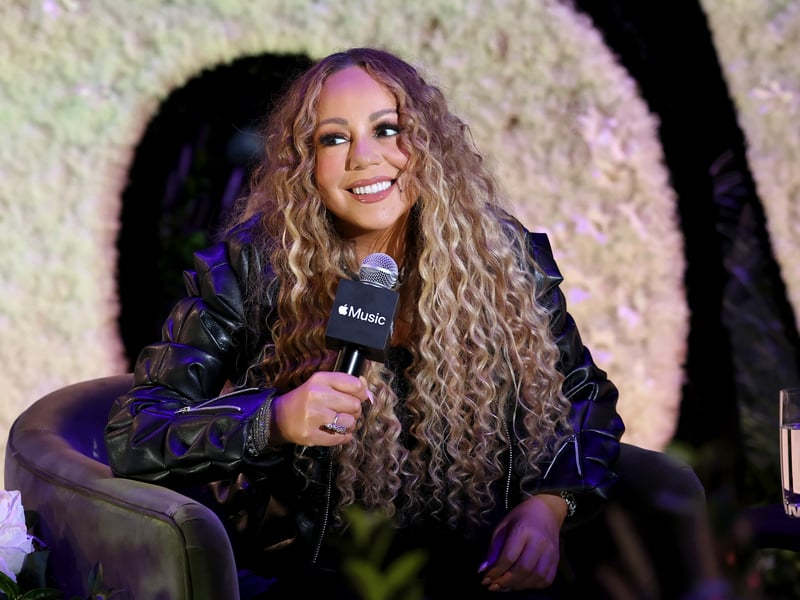
10. Someone's Ugly Daughter
This project has been confirmed only relatively recently. Someone's Ugly Daughter was a short-lived mid-90s alternative rock band. The secret artist who provided the uncredited vocals and helped write the music was none other than global pop icon Mariah Carey. Frustrated by her pop image, Carey created the alias to channel her love for grunge and alternative acts like Hole and release a raw, angsty album completely outside of her pop contract. | Arturo Holmes/Getty Images for Apple Music
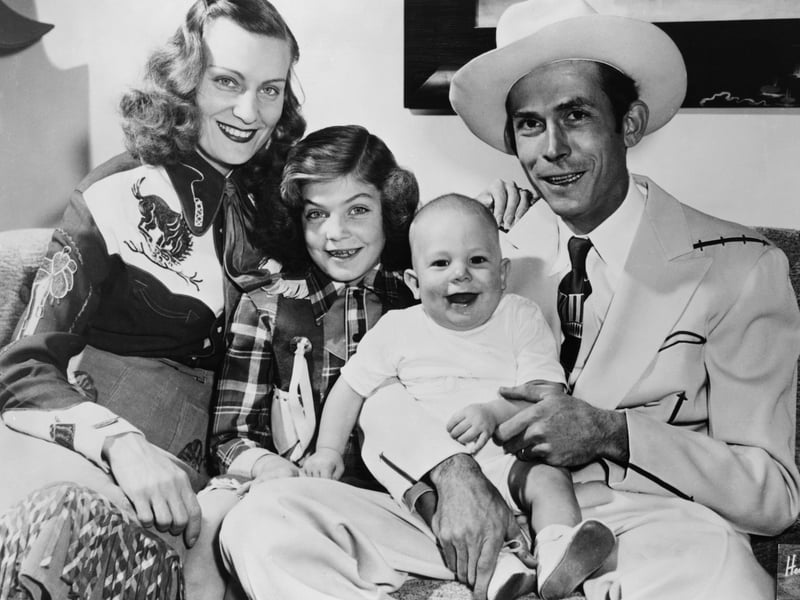
11. Luke The Drifter
This is a deep cut from country music history. In the 1950s, country legend Hank Williams (right) created the alter-ego Luke The Drifter to release moralistic, spoken-word pieces and serious folk songs. Williams felt that this reflective, sober material would confuse fans expecting his typical honky-tonk hits, so the alias was necessary to protect his brand while expanding his artistic range. | Silver Screen Collection/Getty Images
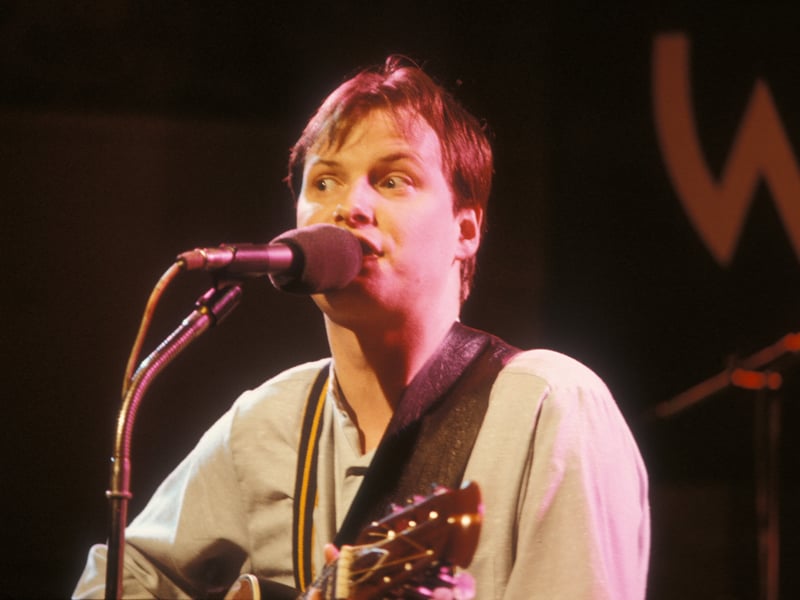
12. The Dukes of Stratosphear
This is one of the most convincing aliases of the 1980s. The psychedelic rock band The Dukes of Stratosphear was actually XTC. The members grew their hair, wore eccentric clothing, and perfectly replicated the production styles of 1960s British psych bands like Pink Floyd and The Move. Their 1987 album 25 O'Clock was so convincing that it fooled some critics and became a cult hit that successfully broke XTC's creative stagnation. | Watal Asanuma/Shinko Music/Getty Images