


This saw 19,009 supporters inside PO4 treated to another thrilling encounter between the two south coast clubs, in an early top of the table clash in League One.
While the Fratton faithful packed out all three stands, 1,899 Argyle fans made the 356-mile round-trip from Home Park as they sold out their Milton End allocation.
Indeed, Saturday’s fixture now boasts the Blues’ highest attendance of the season to date following summer redevelopment work to both the North and South stands.
But how does that impressive figure compare to the rest of the EFL?
We’ve taken a look at the highest attendances from this weekend’s matches to see where Pompey’s total of 19,009 compares with sides from the Championship, League One and League Two.
Here’s what we found.
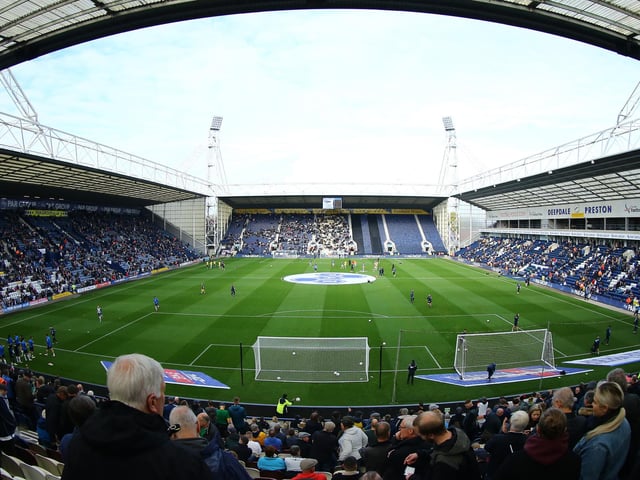
5. Deepdale - 18,412
Preston welcomed high-flying Sheffield United to Deepdale on Saturday as Ryan Lowe’s men looked to return to winning ways. However, the 18,412 supporters in the ground saw the Blades cruise to a 2-0 victory, which moved them to the Championship summit - leaving the Lilywhites in 15th. Photo: Ashley Allen
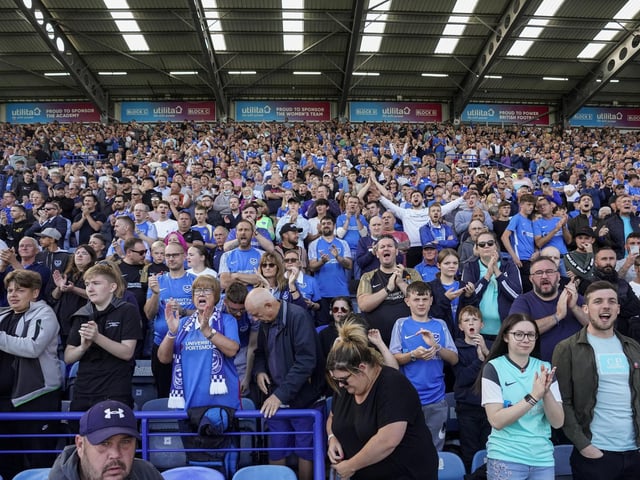
6. Fratton Park - 19,009
It was a sell-out crowd inside Fratton Park as Pompey came from behind to snatch a 94th minute leveller against promotion rivals Plymouth. This saw 19,009 fans in attendance at PO4 for the 2-2 draw, which also saw 1,899 Argyle fans make the trip to Hampshire from Devon. Photo: Jason Brown
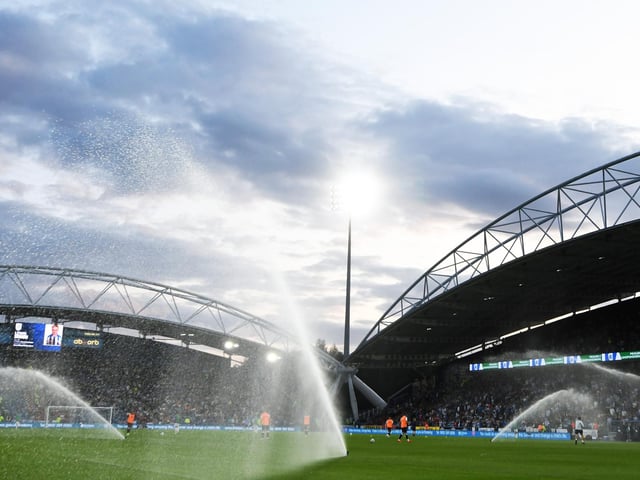
7. John Smith’s Stadium - 19,193
After sacking boss Danny Schofield in midweek, Huddersfield picked up their second triumph of the season at home to Cardiff on Saturday. 19,193 supporters saw the Terriers claim a 1-0 win against the Bluebirds, to move them within three points of West Brom, who sit 21st in the Championship. Photo: George Wood
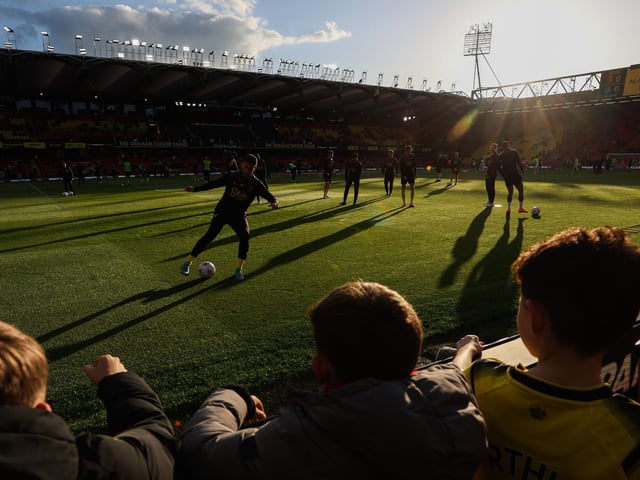
8. Vicarage Road - 19,767
More than 2,000 Sunderland fans made the trip from the north east for their Saturday afternoon kick-off against Watford. In total, 19,767 were in attendance at Vicarage Road as the Black Cats netted a late equaliser to move them into the Championship play-off spots. Photo: Richard Heathcote