
Outdoor Portsmouth swimming culture makes comeback of “golden age” of 1920s and 1930s
Hilsea Lido sees surge in popularity marking renaissance of outdoor swimming culture
During the record-breaking early summer heatwave last week, locals were rediscovering a quintessentially British way to cool off: the lido.
This surge in popularity marks a full-scale renaissance of outdoor swimming culture, with its origins stretching back nearly a century.
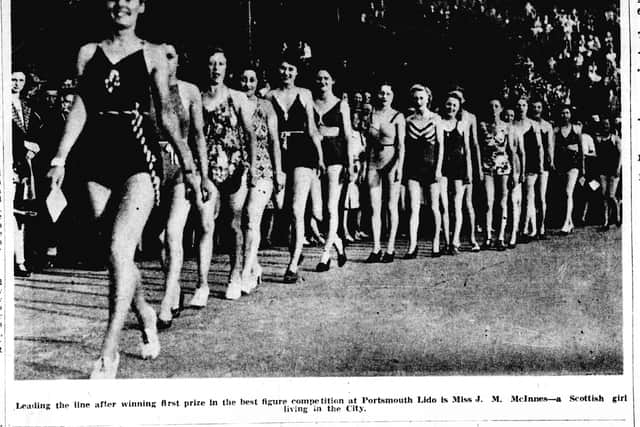

Researchers at UK family history website Findmypast have revealed that the people of Portsmouth experienced Britain’s “golden age” of outdoor swimming during the 1920s and 30s, when the iconic Hilsea Lido was established.
Part of the major development plans of Portsmouth into a glamorous resort, construction started in 1934 on the site, with builders Messers. Bolton & Lakin Ltd of Birmingham chose to build the pool at a cost of £26,285 – roughly £2m today – spiraling to £40,000 at completion.
It was opened on 25 July 1935 by the Lord Mayor, Mr J F Privett. It comprised a promenade, car park, paddling pool, water chutes, diving board and a cafe with a dance floor. Every six hours, the half-a-million gallons of filtered seawater in the pool was changed. When it opened, swimmers were charged 6d and spectators 3d, with season tickets available. Galas and sports matches were held in the months of June and September.
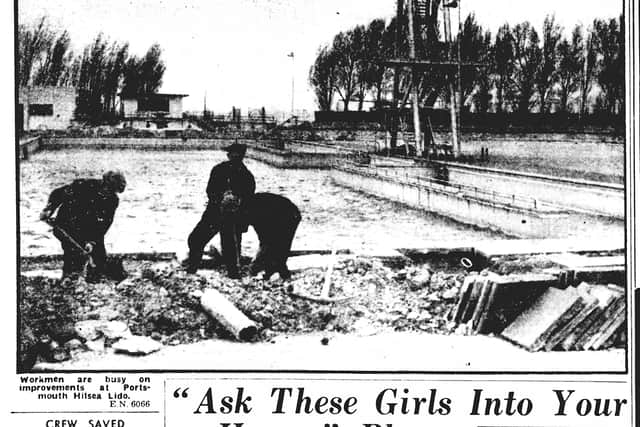
It remained open during the Second World War, and during the post-war period, the lido experienced another boom: ‘Miss Lido’ competition was held at the lido and major improvements made in 1955.
Today, 100 years on, these historic venues are experiencing a powerful comeback. There are now more than 120 open lidos in England, with dozens of restoration projects and new developments delivered in recent years. Hilsea Lido itself reopened in May after extensive £7.6m renovation that reinforced the pool, upgraded the changing facilities, and added a sauna, food outlets and an accessible ramp to the 67m unheated pool.
According to Jen Baldwin, research specialist at Findmypast, the renewed popularity of lidos reflects more than a fleeting trend; it signals how British leisure habits evolve in response to wider forces.
She said: “What we’re seeing is a blend of nostalgia and practicality. In the 1920s and 30s, lidos offered affordable local leisure during tough economic times—and today, that pattern is returning. With cost-of-living front of mind and global uncertainty affecting travel, more people are choosing to enjoy the UK summer rather than commit to trips abroad.
“Lidos also offer something deeper too: a direct link to how previous generations lived, socialised and relaxed before the era of low-cost travel. As UK summers grow warmer, they’re not just places to cool off, but spaces that reconnect us with the traditions and rhythms that have long shaped our community life.”
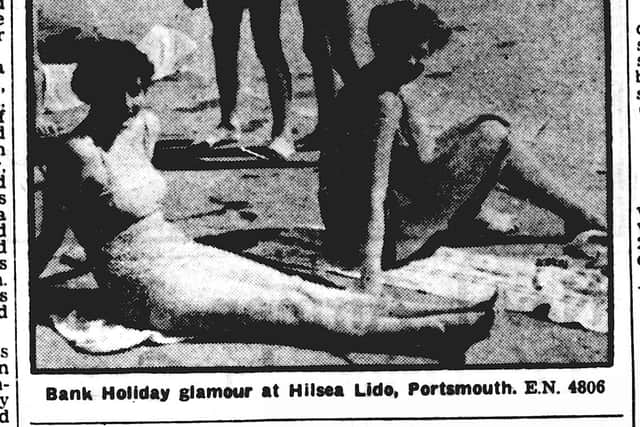
Lidos first rose to prominence in the early 20th century, reaching their peak during the 1930s when outdoor swimming became a national pastime. Local authorities invested heavily in open-air pools as symbols of civic pride and public health, resulting in the construction of at least 169 lidos across the UK during the decade.
Inspired by European beach culture (the term “lido” originates from Venice, Italy) these spaces were more than just pools. They were vibrant social venues, often showcasing Art Deco design, sun terraces, cafés and diving boards, designed to accommodate hundreds of visitors at a time.
They represented a shift in British life: mixed-gender swimming became common, paid holidays expanded leisure time, and outdoor fitness was promoted as part of a modern, healthier lifestyle. Yet, as cheaper holidays abroad became more accessible in the 1980s and 90s, they experienced a significant decline.