
9 of the most dangerous things we all did in the 60s and 70s, and somehow survived to tell the tale

Did you survive the 60s and 70s? If so, you might be luckier than you realised.
- There were all sorts of hazards lurking in the 60s and 70s
- From toys to toasters, life could be particularly dangerous back then
- Looking back, it’s amazing that anyone who grew up then survived intact
You might have seen someone wearing a novelty T-shirt humorously declaring they ‘survived’ the 60s or 70s.
It turns out there may be more truth in these seemingly light-hearted garments than you thought.
Danger was lurking around every corner back then, from the toys we all owned growing up to the common household appliances we used containing toxic substances.
Below are just some of the most dangerous things you probably did, and the most hazardous items you owned, if you grew up during the 60s or 70s.
Played lawn darts, or jarts
Lawn darts, or jarts, was a hugely popular game in the 70s, despite the obvious potential for injuries.
It involved throwing large darts with metal tips towards a target on the ground.
People remember the original game fondly, describing it as ‘great fun’, but it’s clear people didn’t take health and safety as seriously back then.
One person recalled how ‘there was always one kid (who probably never reached adulthood) that would throw them straight up in the air’.
The game was reportedly banned from being sold in the US following numerous injuries and at least three fatalities.
It can still be bought in the UK, though the darts today usually have weighted, rounded bottoms, rather than sharp tips.
Messed about with clackers
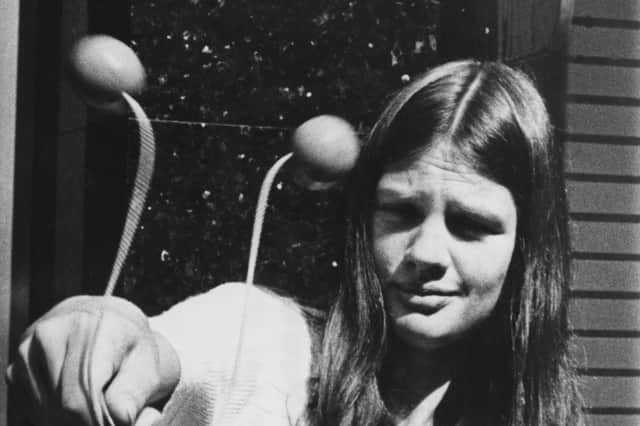

Clackers were among the most popular toys of the 1960s and 70s.
They consisted of two acrylic balls on a piece of string, which you had to make collide to produce the addictive 'clacking' noise that gave the toy its name.
Sadly, the balls had an alarming tendency to 'explode', which led to clackers being banned by some schools over safety concerns.
Experimented with chemistry sets
Old chemistry sets often contained hazardous substances, including uranium ore and sodium cyanide.
Children were able to watch nuclear reactions and conduct experiments with potentially explosive results.
Tighter safety measures were introduced from the 60s, but children could still get access to potentially dangerous substances you wouldn’t dream of giving them today.
Chemistry sets today are generally much safer, though some children of the 50s, 60s and 70s would argue they are also more boring.
Made rubber bugs with a Creepy Crawlers kit
The Thingmaker, or Creepy Crawlers, was a craft kit first sold in the 60s.
It contained a series of bug-shaped moulds, into which children would pour a substance called ‘Plasti-Goop’.
The moulds were then heated in a hot plate oven, solidifying the ‘Plasti-Goop’ to create rubbery creatures that could be removed from the moulds.
Lots of people who had one as a child remember burning themselves on the hot plates.
They also vividly recall the smell of the rubber cooking, but still branded the kits ‘awesome’.
Cooked with an Easy-Bake Oven
The Easy-Bake Oven was a toy oven which first went on sale in 1963 and initially used a pair of incandescent light bulbs as the heating element.
You simply added water to the cake mixture, which was included, put the small pan in the oven, and, hey presto, you had yourself a cake.
Millions of the ovens, marketed with the slogan ‘bake your cake, and eat it too’, were sold.
The mention of an Easy-Bake Oven elicits fond memories from those who had one growing up in the 60s and 70s, though a few suffered minor burns.
One person recalled how they ‘ ate plenty of those half-cooked light bulb-powered cakes’.
Another person described it as their ‘all-time favourite thing’, adding: “It took forever to bake anything, but it was fun to watch in the little window.”
A third person commented: “I used to melt Barbies in it. It was an outside-only toy.“
Used glass thermometers with mercury
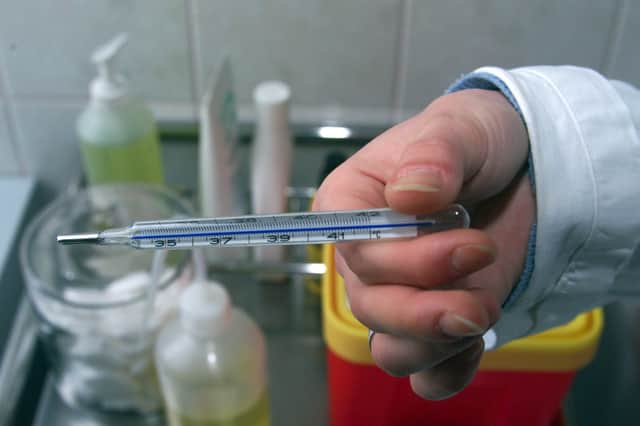
Mercury thermometers were commonplace in the 60s and 70s, when people were less aware of the danger posed by the liquid metal.
It was fine until they broke.
One person said: “I remember playing with the mercury from a broken glass thermometer. Good times!”
Mercury is now known to be highly toxic to humans, damaging the nervous, digestive and immune systems, and the lungs, kidneys, skin and eyes.
The sale of mercury thermometers to the general public has been banned in the EU since 2009.
Played with toys containing lead paint

Lead-based paint used to be routinely used on many children’s toys in the 60s and 70s, and lead paint was not banned in the UK until 1992.
As recently as 2007, the US toy company Mattel recalled die-cast toys from the Pixar film Cars, which had been made in China, as the paint used contained lead.
Used an asbestos toaster
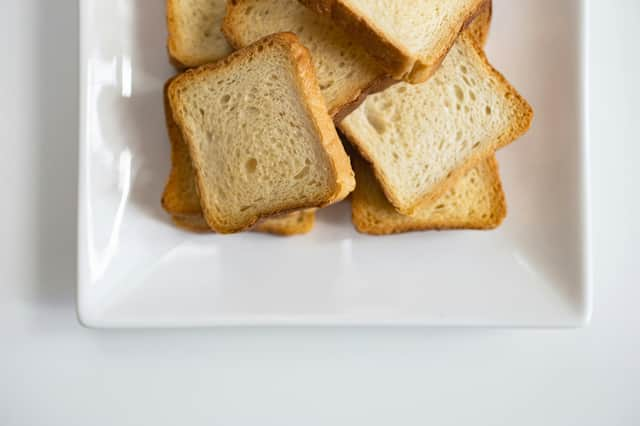
Potentially deadly asbestos wasn’t just used in roofs and ceilings back in the day.
The heat-resistant substance was found in many common household objects during the 50s, 60s and 70s, before the danger of inhaling the fibres was fully understood.
Those objects included toasters, hairdryers and irons.
Warmed yourself with an old bar heater

Electric bar heaters were hugely popular in the 60s and 70s.
But many early models were potentially hazardous, with inadequate guards around the hot elements posing a burn hazard to children, and meaning they could start a fire if knocked over.
Did you own any of these items during the 60s and 70s, and if so what are your memories of them?
If you enjoyed reading this, you might like our look back at the best toys of the 60s.