
7 things you miss if you grew up in the 60s and 70s that youngsters today will never appreciate

Today’s generation will never know these pleasures
If you grew up in the 60s or 70s, there are some things the mere mention of which is bound to get you all misty-eyed.
They are the sights, the sounds and the tastes guaranteed to transport you back through the decades to your childhood.
The cyclical nature of fashion means the clothes you grew up wearing will become the look of a new generation, if they haven’t already.
But there are some things you experienced as a youngster that your children, grandchildren or great-grandchildren will never get to enjoy, or truly appreciate why it meant so much to you.
Below are just some of those things that people miss most about the 60s or 70s and will always belong to that era.
The snacks
There are plenty of snacks from the 60s and 70s that people would give anything to taste again.
The Banjo bar, Spangles sweets and Burton’s Potato Puffs are just some of the popular treats of the era that have been discontinued.
But for many people who grew up back then, the most nostalgic lost flavour is that of Tudor Crisps, with the ‘eye-watering’ pickled onion variety being a particular favourite.
The cars


Cars today may be more reliable, fuel-efficient and easy to drive than they were in the 60s and 70s, but they lack the allure vehicles had back then.
Cars came with more style and curves all those years ago, before boxy, practical motors became the norm.
The Ford Cortina, the Mini and the Austin/Morris 1100 were just some of the classic cars of the day that hold a special place in the hearts of those who drove them.
The drinks

If you’re old enough to remember them, one of the highlights of your childhood was probably the visit of the ‘pop man’, who would deliver fizzy drinks to your door.
Corona and Alpine were two of the most popular brands back then, with flavours including cherryade, dandelion & burdock, and cream soda.
You could even return the glass bottles and get a few pence to spend on sweets.
The pop man was a casualty of the supermarkets’ growing influence, with the grocery giants effectively putting him out of business.
The rag-and-bone men
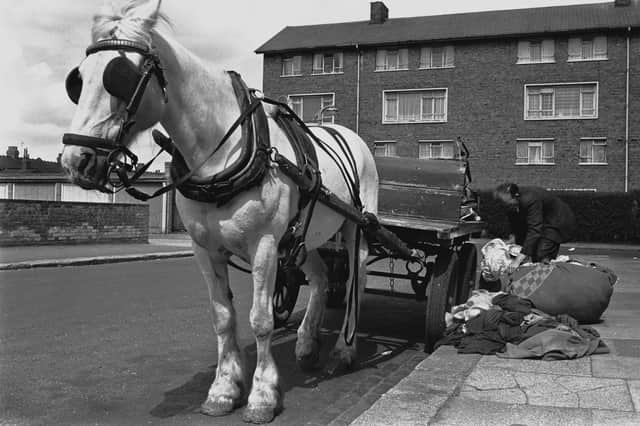
Rag-and-bone men were still a fairly common sight during the 60s and 70s, wandering the nation’s streets collecting unwanted items to be sold on.
They ensured almost nothing went to waste, finding a new use for everything from broken glass to old rags.
Some pushed or pulled their own carts, while some had a horse or pony to do the legwork.
The pirate radio stations

Everyone goes on about how the music they grew up listening to can’t be beaten, but children of the 60s and 70s have a strong case.
The Beatles, the Rolling Stones, Bob Dylan and David Bowie were just some of the groundbreaking artists shaking up the music scene.
But it was the offshore pirate radio stations that helped open our ears to the latest sounds at a time when BBC Radio failed to meet the soaring public demand for rock and pop music.
Radio Caroline was the most famous, but it was just one of a number of pirate radio stations broadcasting from ships located just off the coast around the UK.
Many of the nation’s best-loved DJs began their careers on pirate radio before moving to the mainstream, including John Peel, Tony Blackburn and Johnnie Walker.
The freedom
People who grew up in the 60s and 70s remember having the freedom to explore at a time when there were fewer cars on the road and fewer perceived dangers.
Many children of that era recall how they were given free rein to play out, often using construction sites as their playgrounds, as long as they were back in time for supper.
Key to their freedom were the bikes they rode, with the Raleigh Chopper, launched in the UK in 1969, being the vehicle of choice for most youngsters in the 70s.
Its high handlebars, banana seat and dragster looks made it a style icon coveted by children who dreamed of being like Dennis Hopper in Easy Rider.
The shops

They might have complained about being dragged round them at the time, but there are some shops any child of the 60s and 70s will recall fondly.
Littlewoods, C&A and Dixons were among the high street giants of the day we have lost. But it’s probably memories of Woolworths, with its much-missed pick ‘n’ mix sweets, and affordable records, that provoke the headiest nostalgia.
It’s not just the big names people miss, either, but the independent neighbourhood grocers, butchers and general stores, so many of which fell victim to the rise of the supermarket.
They were places where the owners knew your name, knew all the local gossip and would look out for you, often letting you buy goods ‘on tick’ when times were hard.
How many of these do you remember, and what do you miss most about the 60s and 70s?
If you enjoyed this trip down memory lane, you might like our look back at tuck shop favourites from the 60s and 70s.