
The used car mistake that could cost buyers thousands without them realising



This article contains affiliate links. We may earn a small commission on items purchased through this article, but that does not affect our editorial judgement.
A used car might look perfect on the surface, but experts warn that some of the most costly problems are the ones buyers can't immediately see
Buying a used car should be exciting. Whether you're upgrading the family wagon, hunting down your dream motor or simply replacing a car that's seen better days, there's a thrill in finding the right vehicle at the right price.
But beneath the shiny paintwork and carefully staged photos, there can sometimes be a story that sellers would rather you didn't know about. And that's exactly why more buyers are turning to hpi checks before handing over their hard-earned cash.
The reality is that appearances can be deceptive in the used car market. A vehicle might look immaculate on a driveway or forecourt, but that doesn't necessarily mean it's free from hidden issues. Outstanding finance checks, previous write-offs, mileage discrepancies and even theft records can all be lurking beneath the surface.
For many motorists, these aren't things they even think to check until they've already committed to a purchase.
According to automotive data specialists hpi, a vehicle history check can reveal information that isn't always obvious during a viewing or test drive. It's one reason why buyers increasingly use services such as an hpi check to build a clearer picture of a vehicle's past before agreeing a deal.
The used car market remains incredibly busy, but it can also be confusing. Prices fluctuate regularly, electric vehicles are becoming more common, and buyers are often faced with conflicting information from sellers, online marketplaces and dealership adverts.
That uncertainty can make it difficult to know whether you're getting a genuine bargain or taking an expensive gamble.

One of the biggest concerns for buyers is outstanding finance. If money is still owed on a vehicle, it can create complications that many consumers simply don't expect. Similarly, a car that has previously been declared an insurance write-off may not necessarily be a bad purchase, but it's information most buyers would want to know before making a decision.
Then there's mileage. Most drivers understand that lower mileage often means a higher value, but not everyone realises that mileage discrepancies can dramatically affect both a vehicle's worth and its long-term reliability. These are the kinds of details that can transform what appears to be a great deal into a potential headache.
Price is another area where uncertainty can creep in. Ask three different people what a used car is worth and you might get three completely different answers. That's why independent vehicle valuations have become increasingly important for both buyers and sellers.
Rather than relying solely on asking prices or dealer claims, valuation tools can provide a more objective view of what a vehicle may be worth in today's market.
That can be particularly useful during negotiations. For buyers, it can help avoid overpaying. For sellers, it can offer reassurance that they're not letting a vehicle go for less than its true value. Access to trusted valuation data can often remove much of the guesswork.
Electric vehicles add another layer of complexity. While used EVs are becoming more affordable, many buyers remain unsure about battery longevity, depreciation and long-term ownership costs. Questions that didn't exist a decade ago are now becoming part of the car-buying process.
What will the vehicle be worth in three years? How quickly is the market changing? Are falling prices a warning sign or simply evidence that EVs are becoming more accessible?

Data is increasingly helping answer those questions. Rather than relying on rumours, social media debates or anecdotal stories, buyers can use market insights and vehicle valuation tools to understand what's actually happening in the used EV sector. The result is often greater confidence.
And confidence matters when you're making one of the biggest purchases most households will make outside of buying a home.
No history check or valuation tool can remove every risk from the car-buying process. Common sense, careful inspections and test drives remain essential. But having access to trusted information can make the difference between a confident decision and a costly mistake.
Because when it comes to buying a used car, it's not always the things you can see that matter most. Sometimes it's the details hidden beneath the bonnet – and buried in the paperwork – that tell the real story.

Love books but struggle to find time to sit down and read? Amazon Audible is currently offering a 30-day free trial that could be the perfect way to work through that ever-growing reading list.
The Audible Standard plan includes one audiobook from a catalogue of more than 900,000 titles, plus unlimited access to a wide selection of podcasts and audio series. Popular titles currently available include Harry Potter and the Deathly Hallows, Project Hail Mary by Andy Weir, London Falling by Patrick Keeffe and Enough by Dawn French.
The free trial lasts for 30 days. After that, the Standard membership renews at £5.99 per month unless cancelled. Audible Premium Plus is also available for listeners who want monthly credits and access to an even larger collection of audiobooks and podcasts.
👉 Start an Audible free trial today and discover why millions of people have swapped page-turning for play.
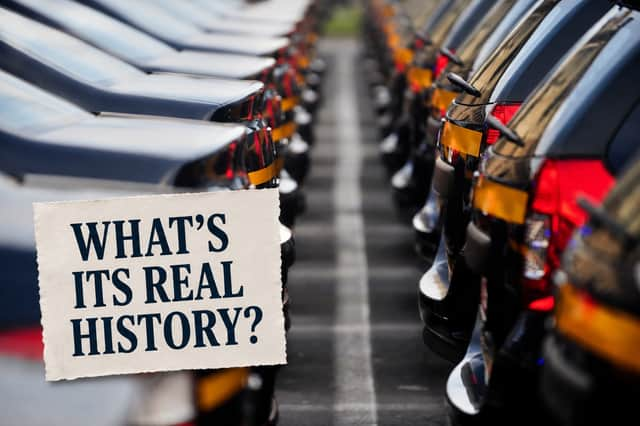
Used car buyers are increasingly relying on independent vehicle data rather than appearances alone, as concerns around hidden finance, insurance write-offs and mileage discrepancies continue to shape purchasing decisions.