
'Extreme' heat dries up Titchfield Haven nature reserve as Avian Botulism spreads

A number of bird carcasses have been found on the reserve
Scorching temperatures have dried up a natural habitat for birds.
Swathes of Titchfield Haven have been left arid and barren as baking conditions refuse to subside. Hampshire County Council has also confirmed that Avian Botulism has been discovered on the nature reserve.
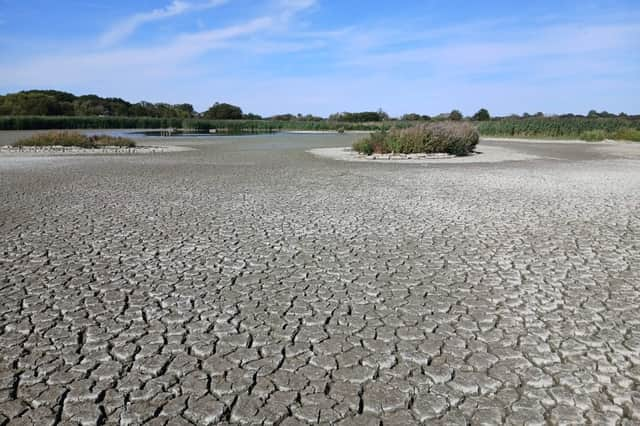

A social media statement said: “Due to recent periods of extreme weather, sections of habitat at Titchfield's North Scrape has dried out significantly. As a result, we have identified signs of active Avian Botulism on the scrape, with a number of bird carcasses being found.
“Please be reassured that Avian Botulism presents a very low risk to people and is not readily transmitted to humans. We are monitoring the situation closely and taking appropriate measures to minimise impacts on local wildlife.”
Avian Botulism is a naturally occurring disease affecting wild waterbirds. Toxins produced by bacteria cause it to spread, where it thrives in warm and low oxygen conditions.
The disease can develop when shallow waterbed habitats dry out. “It is a recurring issue in wetlands across the UK during periods of prolonged warmth and drought,” Hampshire County Council added.
Visitors are advised not to touch any bird carcass or living animal that appears in distress. People are encouraged to send photographs of them and details of the location to [email protected].
Further guidance can be found on the government website.