
Emergency Alert test: everything you need to know about Emergency Alert - when and who gets it?
Remind yourself when the Emergency Alert test is and who will receive it 🚨🚨
- Emergency Alert text will be sent to every phone this weekend.
- It will cause your phone or tablet to make a loud siren-sound.
- But what else can you expect from the test?
Brits are being reminded of what to expect from the Emergency Alert test this weekend. Millions of phones across the country will receive the text at exactly the same time.
It is the second nationwide trial of the system and follows the previous one in spring 2023. The exact time it will arrive on your mobile has been confirmed, with just a few days to go.
But what can you expect from the Emergency Alert test? Here’s all you need to know:
Why is the Emergency Alert taking place?
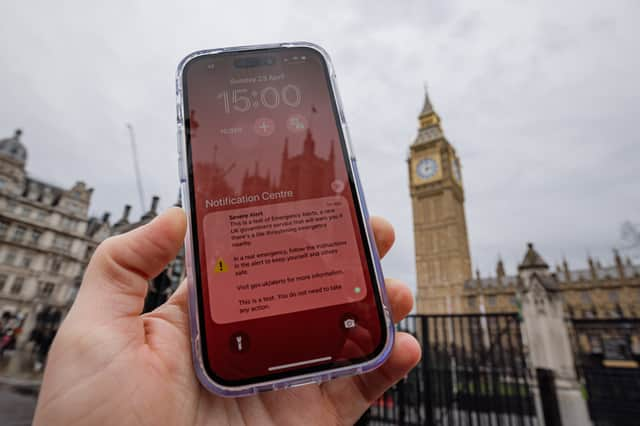

Since the previous test in spring 2023, the system has been used in the case of real emergencies. It has been deployed during major storms, as an example.
You might be wondering why it is being tested again. The government has said regular testing is essential to ensure the system works properly in the event of a real emergency. While you can choose to opt out of receiving Emergency Alerts – including national tests – it is strongly recommended that you keep them switched on for your own safety and peace of mind.
When is the Emergency Alert test taking place?
The government will be blowing out the cobwebs on its emergency alert system this weekend. The second national test is set to take place on Sunday (September 7) and you can expect to receive the message at around 3pm.
During the test your mobile phone or tablet will emit a loud siren-like sound and vibrate, even if it is set to silent. A message will appear on your screen confirming that this is only a test and that no action is required.
Who can send Emergency Alert messages?
Emergency Alerts are sent only by the Government and emergency services. They are a vital tool to help warn people about life-threatening situations in their area. Alerts are sent directly to mobile phones and tablets, meaning you can receive critical information quickly, wherever you are.
How to prepare for emergencies?
The government has offered up some advice for how to prepare yourself in the case of an emergency.
- Check if you’re eligible to join your gas, electricity, and water supplier’s Priority Services Register. This ensures they know you need extra support, especially during supply interruptions. If you care for someone, check if they are registered too.
- Test your smoke alarms monthly. Set a reminder on your phone or mark your calendar. Involve children in the test to help them learn about fire safety.
- Write down important phone numbers on paper, such as the number to report a power cut (105) and contact details for family or neighbours. Use the Government’s downloadable household emergency plan to keep this information safe in one place.
- Talk to your children about emergencies. Teach them how and when to call 999, and what to do in situations like a fire at home.
- Check your long-term flood risk and sign up for flood and weather warnings.
How long will the Emergency Alert test last?
The siren-like noise will last for around 10 seconds, the government has said. It will also cause your phone to vibrate, so it really won’t be hard to miss.
If you remember the previous test, you might be able to recall what the noise will sound like. Fortunately, it will be over quickly.
Pat McFadden, Chancellor of the Duchy of Lancaster, said: “Emergency Alerts have the potential to save lives, allowing us to share essential information rapidly in emergency situations including extreme storms. Just like the fire alarm in your house, it’s important we test the system so that we know it will work if we need it.
“This test is part of our action plan to build resilience across the whole country and secure the nation under the Plan for Change - from the £1 billion we’re investing in a new network of National Biosecurity Centres to the £4.2 billion we’re investing to build a new generation of flood defences to protect local communities.”
Brits will be able to opt out of receiving the emergency alert, the government has confirmed. Find out how to do it.