
RNLI warns against tombstoning in Southsea amid fears of 'high-risk' incident at South Parade Pier

“We would strongly advise against any kind of tombstoning,” an RNLI lifeguard has warned.
Young people jumping into the water in Southsea are putting themselves at serious risk of injury, the RNLI has warned.
Every summer, the trend of ‘tombstoning’ becomes popular with teenagers - throwing themselves into the water while trying to keep their bodies intentionally straight and stiff, as the name would suggest. But this technique can lead to life-changing injuries.
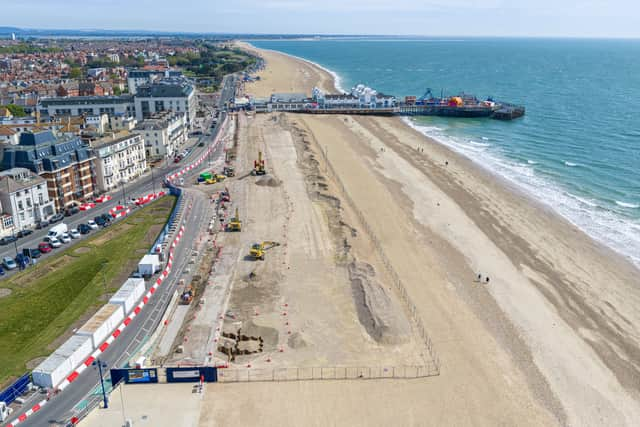

RNLI lifeguards and lifeboat crew have seen the devastating impact tombstoning can have on people across the UK. Earlier this week, a teenager in Dunbar, Scotland, was rushed to hospital with leg injuries.
Sydney Horsted, lead lifeguard for West Sussex has also seen tombstoning activity along her beaches and has recently responded to an incident.
She said: “We would strongly advise against any kind of tombstoning, including jumping from South Parade Pier. There are various hazards involved and this is an incredibly high-risk activity.
“The water depth changes with the tide – even if it looks deep enough, it may well be too shallow. There is also the risk of submerged objects under the water that you can’t see until it’s too late.
“In Southsea in particular, we have very strong lateral currents that can quickly sweep swimmers underneath the pier. The pier itself is also a very old structure, formed of sharp metal poles and wooden pylons that can cause cuts quite easily. These may also be submerged under the water.
“Even in the summer the water is cool and jumping into the sea on a hot sunny day can cause cold water shock, causing someone to panic when they enter the water suddenly. In this situation you should float on your back until you are calm, stretching out your arms and legs, tilting your head back and calming your breathing – you can then shout for help.”