
UK/EU trade deal raises questions over Portsmouth border control post
Portsmouth’s £23m border control post may become obsolete after the UK and EU take steps to smooth trade between the regions.
The government recently published details on aligning checks on goods moving between the UK and the European Union (EU).
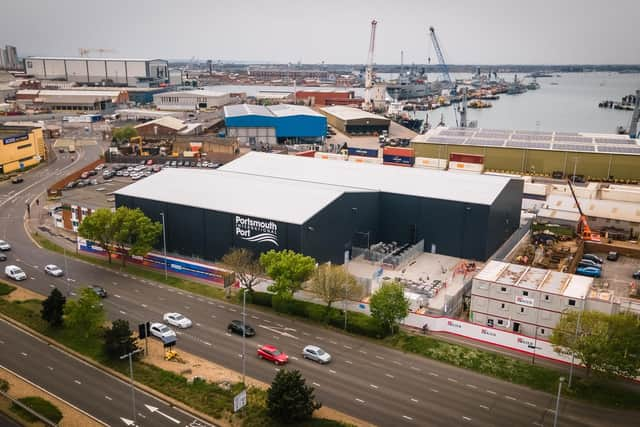

Portsmouth International Port, which is owned by Portsmouth City Council, opened its border control post in 2022 to manage inspections of plant and animal products following the UK’s departure from the EU.
The council contributed £6m to the facility, with central government covering the remaining £17m.
However, new agreements mean checks could be drastically reduced, raising questions about the need for the BCP at the port.
Cllr Steve Pitt, Leader of Portsmouth City Council, said: “Following the announcement that the UK will align with EU Sanitary and Phytosanitary legislation, we are awaiting official confirmation that the government is considering compensating ports for the shortfall in costs to build BCPs required to carry out mandatory checks.
“As a local authority owned port, we absorbed up to £6.4m for building the BCP, and have long petitioned for this unfair financial debt to be compensated.
“If Border Control Posts are no longer required this further adds pressure to the council’s finances as we have no way to recoup costs through charging.
“As we have warned we could be in a position where this highly bespoke facility is considered redundant after only two years of running.”
Portsmouth’s BCP was built to handle around 80 inspections per day but in its first year of operation it averaged just under three.
In May last year, when the changes were announced, the council leader suggested the BCP might have to be demolished as it “two acres of operational land and has meant a loss of commercial opportunity for the port”.
The changes to trade
The government has said the changes will allow importers and exporters to save money due to less complex paperwork at the border and Export Health Certificates will no longer be required.
Additionally, it claims trade will flow faster, with fresh produce reaching “supermarket shelves more quickly” and, for the first time since Brexit, “goods will move freely between Great Britain and Northern Ireland”.
New markets will be unlocked as the trade of fresh sausages and burgers, certain types of shellfish and seed potatoes resumes.
It adds the agreements will “benefit businesses of all sizes” and ease pressure on food price inflation while opening up “opportunities for growth for large and small importers and exporters across the country, helping put British produce back on tables around the world”.