
“Finally, we have positive news on cross border transport" as UK and EU agree draft deal to scrap Brexit red tape
Pet Passports could be returning under the plans
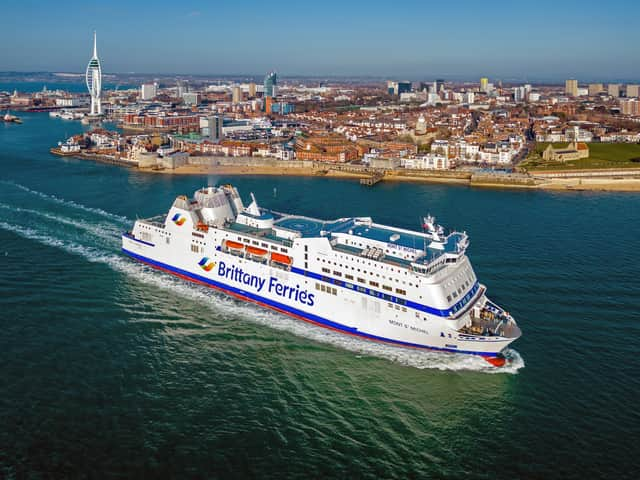
News the UK and EU have agreed a draft deal on removing some post-Brexit checks has been given a warm welcome by Brittany Ferries who said it was positive news for passengers and hauliers.
Today it has been reported by the BBC that a 200-page draft text for this so called "SPS" [sanitary and phytosanitary] agreement has been circulated to EU nations in Brussels for consideration at a meeting on Wednesday.

It is reported the deal could have the following impact:
- It will bring back passports for British pets being taken into the EU
- The introduction of a youth travel and work scheme.
- Exports to the EU of fresh sausages, burgers, shellfish from domestic waters and seed potatoes would be able to resume
- It should remove the need for £200 Export Health Certificates, which confirm the product meets the health requirements of the country it is heading to
- It should also end the need for £25 Phytosanitary certificates, which show that plants or plant products are free from pests and diseases
- Inspector fees, organic certificates, some port fees and other checks for exports and imports to and from the EU could be removed
Brittany Ferries CEO Christophe Mathieu said the changes promise less friction and less paperwork for hauliers and exporters who rely on seaborne links connecting the UK with France and Spain - including those using Portsmouth Port.
He said that while an implementation date is not clear, but the changes cannot come soon enough.
“Finally, we have positive news on cross border transport,” he said. “The agreement will mean less costs for transporters, greater fluidity across borders and less pain for exporters of goods like fresh fish and agricultural products. This is a major step forward and we salute governments on both sides of the Channel for their pragmatism and common sense.
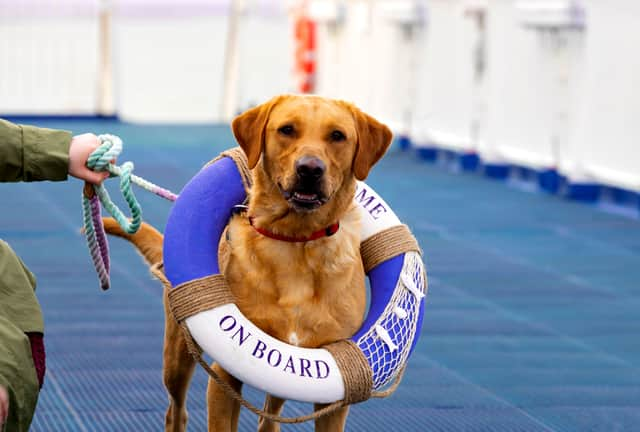
“We also welcome plans to improve prospects for young people and the aim to reintroduce the pet passports scheme. We carry around 100,000 cats and dogs every year, so it’s not just our human customers who will benefit from this historic agreement.”
Brittany Ferries is the biggest company operating out of Portsmouth International Port.
Meanwhile, the port’s owner Portsmouth City Council said it was looking for the government to reimburse it for the cost of the largely empty Border Control Post (BCP) building it was told to build after Brexit.
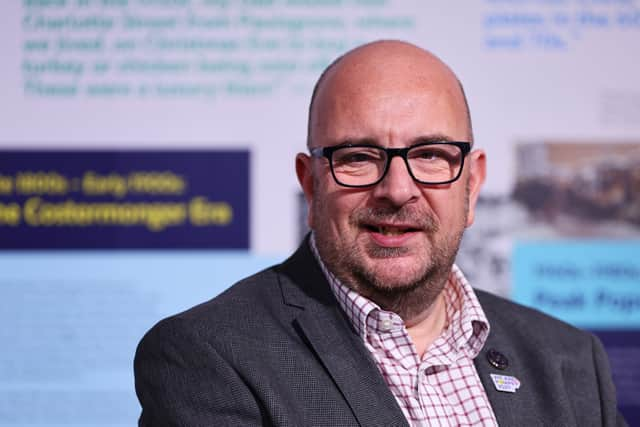
Cllr Steve Pitt, Leader of Portsmouth City Council said: “With 97% of Portsmouth International Port's trade with the EU, we provide critical freight routes for food imports into the UK. This means we had no choice in building a Border Control Post (BCP), when checks on food, plant, timber and animal imports came into force after Brexit.
“As a local authority owned port, £6m of the council’s budget was spent building this highly specialist, bespoke facility. It was hoped that we could recoup costs through charging for goods to be inspected.
“However, the draft UK-EU agreement means these checks are to be scrapped, making the BCP redundant, so we will be looking for compensation from government to recover the shortfall.
“We welcome the news this means for consumers, reducing red-tape and delays at the borders for businesses. However, this specialist facility cost over £23m to build and if there isn’t a need for inspections to take place we may have to consider demolishing a building that is less than four years old.
“As a council owned facility, we are obviously also concerned about our staff in port health and will ensure all changes take place in consultation with them as we get further clarity from government.”
Meanwhile, Portico Logistics, which provides customs services for those importing and exporting between the UK and the EU and is based next to the port said it was still looking for details, but welcomed the news.
Paige Ottaway, logistics operations manager, said: “Although we’re awaiting the full and final details, the new sanitary and phytosanitary (SPS) agreement between the UK and the EU will likely remove a lot of the friction, paperwork and time it takes to import and export goods between the two.
“It can currently cost importers on average £250 per full-truck-load of one medium-risk commodity for port health charges alone, and there are further associated costs for things like health certificates and common user charges, and we are expecting to see most if not all of those processes removed, which will also reduce the time needed for border checks.
“However, we are also expecting to see an increase in checks on goods imported from rest-of-the-world locations.
“We understand importers may be moving into a period of change, with the details still uncertain, so we encourage those with any questions to contact our team of customs experts at Portico Logistics to ensure they are as prepared as they possibly can be ahead of the new system being implemented.”