
Southern Water 'cannot be trusted' to monitor recycled water, says Green Party peer
She expressed concerns over the presence of 'forever chemicals' in the water of the Havant Thicket reservoir
A peer at the House of Lords has said that Southern Water “cannot be trusted” to monitor its own sewage discharge and the use of recycled water at Havant Thicket reservoir.
Baroness Jenny Jones of Mouslecoomb asked the government what “independent safeguards” they intend to put in place at the reservoir to ensure that “pollutants do not present an unacceptable risk” at a debate in the House of Lords on October 14.
In response to the question, Baroness Sue Hayman of Ullock, the parliamentary under-secretary of state for the department of environment food and rural affairs, said: “Reservoir operations must comply with water framework directive objectives.


“Water companies are required to follow the drinking water safety planning approach, and must assess risks to drinking water from the water source.
“The planned raw water sources to supply the Havant Thicket reservoir have been monitored, and mitigations have been proposed where required, including for emerging substances.”
Baroness Jones said she was “deeply unsatisfied” with the answer as she said: “You can't trust Southern Water to audit its own discharges. These forever chemicals that I've referred to are highly poisonous and pernicious.
“There is no regulation to cover them at the moment. I repeat that we cannot trust Southern Water.
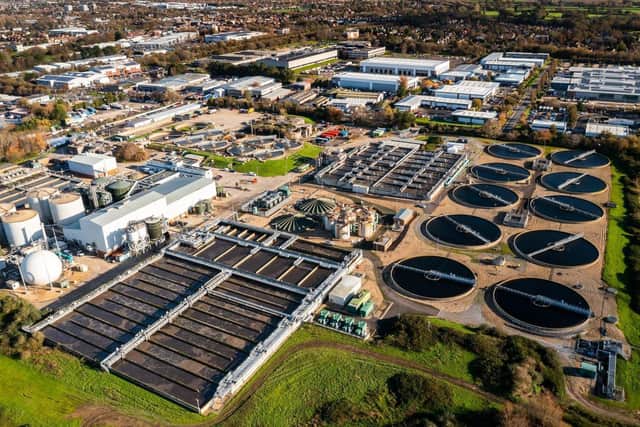
“Its Budds Farm wastewater treatment works was found in research conducted by the Marine Conservation Society to be releasing forever chemicals into the environment via treated effluent. We cannot keep allowing this. We have to put in regulations.”
She requested the government follow after countries like Singapore and establish an “expert panel” to audit the water supply.
Baroness Hayman said: “It's important to say that the project's going to use highly treated recycled water that's been through a series of very strict treatment and quality checks before it would enter the Havant Thicket reservoir, and water stored in the reservoir would then go through further treatment and testing before being supplied as drinking water.”