
SCAS: Breakdowns by ageing ambulances affect NHS trust’s performance in Hampshire
An ageing fleet of ambulances is breaking down - and meaning paramedics’ response times are slowed in Hampshire
Ambulance breakdowns had an impact on the service’s performance in Hampshire, councillors have been told.
A senior South Central Ambulance Service (SCAS) director said the NHS trust was actively addressing its ageing fleet of vehicles.
SCAS has said it is in the middle of a major fleet replacement programme, which will provide more than 100 new ambulances. However, the programme faced teething problems last year due to supplier issues.
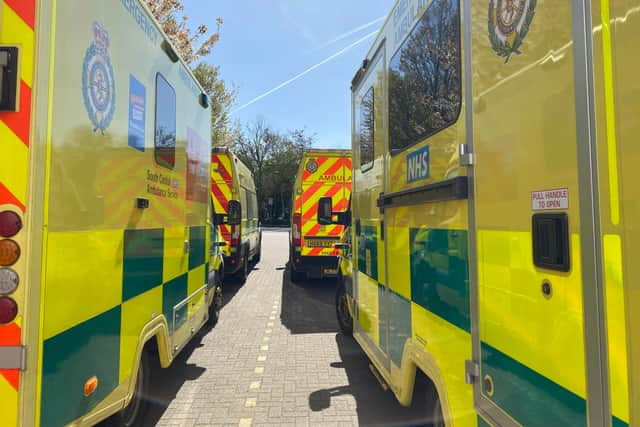

Asked what issues the older fleet created, SCAS divisional director of operations Tracy Redman said: “Primarily it’s around an increase in breakdowns, fleet availability. An ageing fleet of vehicles are worked very hard and we just saw an increase in breakdown and therefore availability.
“We had some challenges with purchasing our new fleet due to some of our coach builders going into administration, which no one could have foreseen but we’ve passed all that now, that all happened last year.
“We are now well into our fleet replacement programme, including the introduction of electric vehicles as well.”
The discussions were heard at a meeting of Southampton City Council’s health overview and scrutiny panel. Across its operational area of Hampshire, Berkshire, Buckinghamshire and Oxfordshire, SCAS is buying 105 new MAN dual-crewed ambulance vehicles.
All new models are expected to be in service by March next year. The fleet replacement programme is funded through a national £75million investment in new ambulance vehicles, which was announced by the Department of Health and Social Care in 2025.
The government said in April that the first year of funding saw 1,141 new or replacement double crewed ambulances delivered to NHS trusts across England.
Then health minister Zubir Ahmed said: “Replacing older vehicles with state-of-the-art ambulances means we are not only improving reliability and reducing downtime, but crucially helping more crews stay on the road and respond to emergencies.
“These vehicles are equipped with the technology to better protect staff and support faster, more effective treatment. This is a vital step in ensuring the NHS can continue to deliver world-class care for patients when they need it most.”